

The Organized Pantry: Storage Systems That Actually Work (Episode 4)
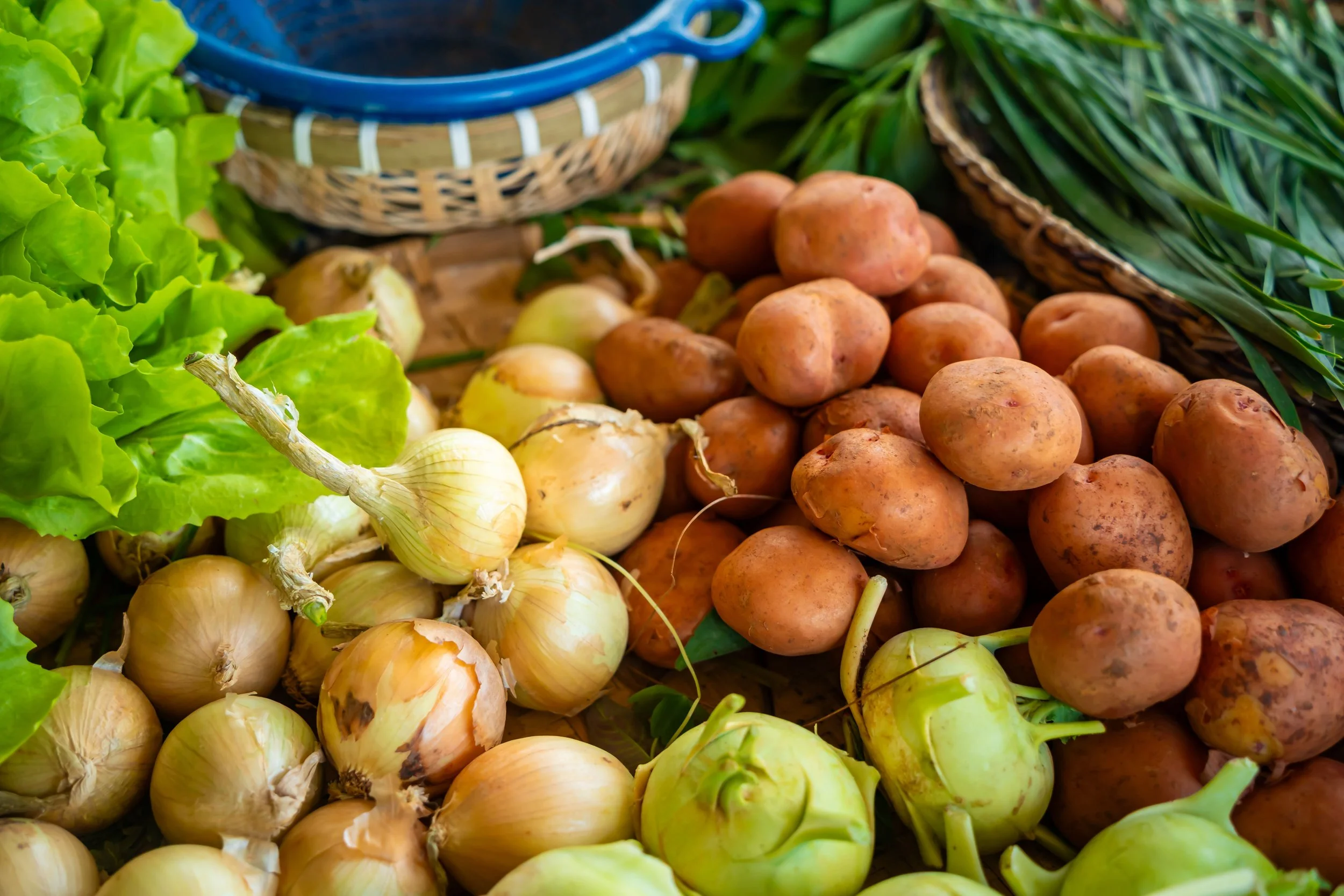
Root Vegetable Storage: Potatoes, Onions, and What Most Kitchens Get Wrong
Welcome back, food fans.
In Episode #1: The Foundations of a Working Pantry System, we introduced the core principles of visibility, accessibility, and rotation. In Episode #2, we explored airtight storage and when it supports—or complicates—ingredient use. In Episode #3, we looked at how to store bulk ingredients without creating confusion.
Today, we turn to one of the most commonly misunderstood areas of pantry storage:
root vegetables.
Specifically:
potatoes, onions, and garlic.
These ingredients have been staples of resilient kitchens for generations. As we explored in the earlier series—particularly in the episodes on root vegetables and cabbage-based meals—they formed the backbone of countless affordable, nourishing dishes during the Great Depression and beyond.
But despite their simplicity, they are often stored incorrectly in modern kitchens.
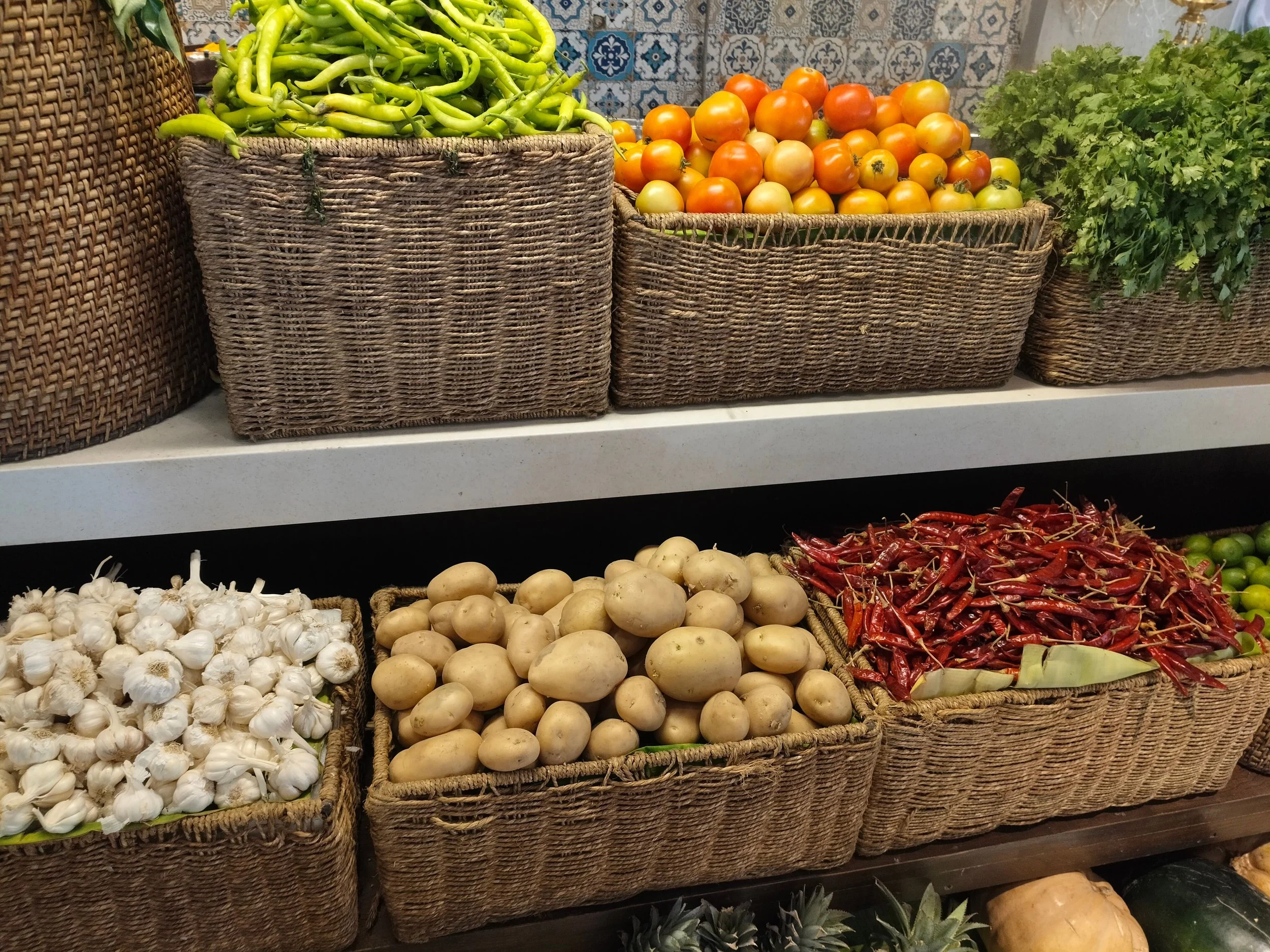
Why Root Vegetable Storage Matters
Root vegetables are uniquely valuable.
They are:
• affordable
• nutrient-dense
• versatile across multiple meals
• long-lasting—when stored correctly
They also play a critical role in:
• meal planning
• building quick, pantry-based meals
• reducing reliance on frequent grocery trips
But unlike dry goods, root vegetables are living foods.
They continue to respond to:
• light
• temperature
• airflow
• moisture
Which means their storage requirements are different—and more specific.
The Most Common Mistake
The most common mistake is simple:
Treating root vegetables like dry goods.
This often looks like:
• storing potatoes in airtight bags or containers
• placing onions in sealed bins
• keeping garlic in plastic bags without ventilation
While these approaches may appear tidy, they create the exact conditions that lead to:
• moisture buildup
• mold
• premature sprouting
• accelerated spoilage
As we discussed in Episode #2, airtight storage is not universally beneficial.
This is one of the clearest examples of that principle.
The Three Requirements for Proper Storage
To store root vegetables effectively, you need to manage three key factors:
1. Darkness
Exposure to light—especially for potatoes—can lead to:
• greening
• development of bitter compounds
• reduced quality
This is why traditional storage methods relied on:
• cellars
• covered bins
• shaded areas
Modern kitchens can replicate this with:
• opaque containers
• cabinets
• covered baskets
2. Airflow
Root vegetables require ventilation.
Without airflow, moisture becomes trapped.
This leads to:
• softening
• mold growth
• faster spoilage
Ideal storage options include:
• wire baskets
• wicker baskets
• ventilated bins
• crates
This is a direct contrast to the airtight storage discussed in Episode #2. This is also where you can either add some style or go with practical, functional storage options.
3. Temperature
Root vegetables prefer:
• cool
• stable temperatures
They do not perform well in:
• overly warm kitchens
• areas near ovens or appliances
• direct sunlight
Even a slight reduction in temperature can significantly extend shelf life. This is very important for extending the shelf life of your root vegetables. My setup is less than ideal– The walk-in pantry does not get any airflow (and the water heater is on the other side of the wall). The wire storage shelves that hold my root vegetables and bulk dry goods containers sit next to my refrigerator in the utility room. Ergo, we keep a tight control over the inventory of onions and potatoes to prevent as much spoilage as possible.
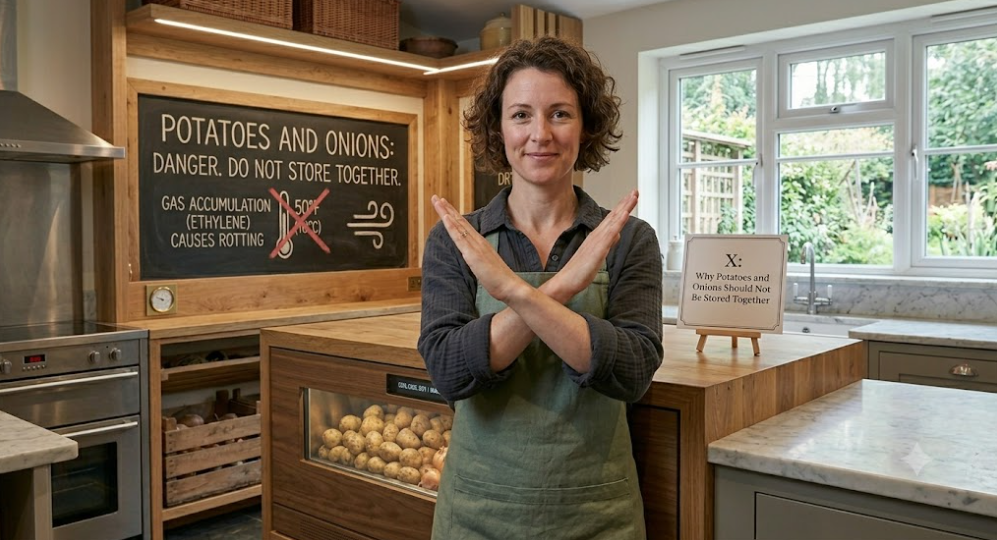
Why Potatoes and Onions Should Not Be Stored Together
This is one of the most widely overlooked storage principles.
Potatoes and onions should not be stored together.
Why?
Because onions release moisture and gases that can accelerate the spoilage of potatoes.
When stored together, you may notice:
• potatoes sprouting more quickly
• onions softening faster
• overall reduced shelf life for both
The solution is simple:
store them separately.
Even placing them on different shelves can make a meaningful difference.
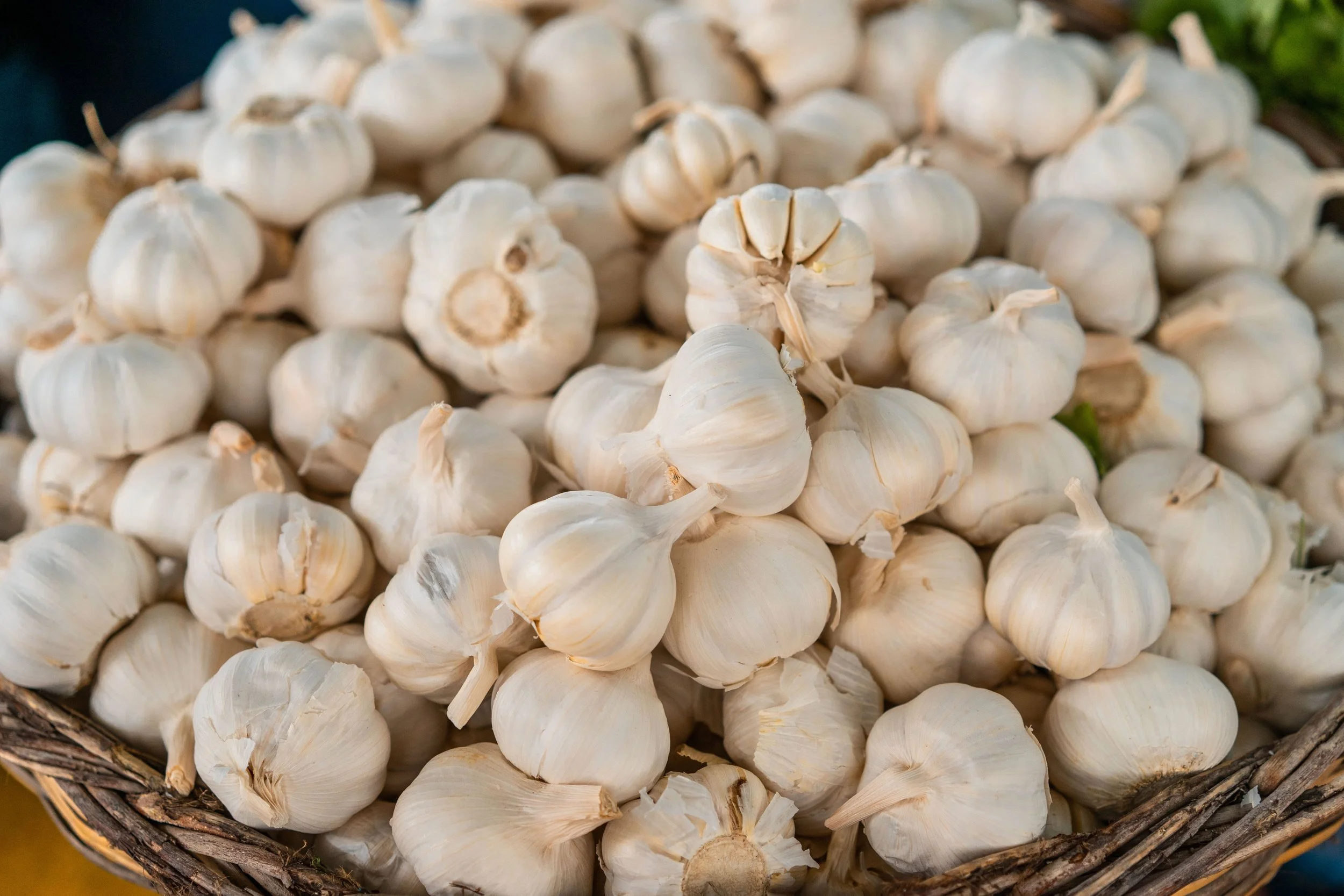
Garlic: A Smaller but Important Detail
Garlic often gets overlooked in pantry organization.
But it follows the same basic rules:
• keep it dry
• allow for airflow
• avoid sealed containers
Garlic stores best in:
• small baskets
• mesh bags
• open containers
When stored correctly, it remains usable for extended periods and is always ready for use when building meals or adjusting recipes.

Storage Options That Actually Work
Here are a few practical, effective approaches:
For Potatoes
• breathable bins
• baskets lined with paper
• dark cabinet storage
For Onions
• hanging baskets
• open bins
• separate shelf placement
For Garlic
• small ventilated containers
• countertop baskets
• pantry shelf placement with airflow
The key is not perfection.
It is function.

A Note on Shelf Space and Practicality
Not all kitchens have ideal storage conditions.
Some pantries are shallow.
Others are deep.
Some have limited airflow.
This is where flexibility becomes important.
Your goal is not to replicate a perfect system.
It is to create one that works within the physical structure of your space.
We’ll explore this idea in more detail in the next episode, where we look at how pantry layout and shelf depth influence storage decisions.

Why This Matters for Meal Planning
When root vegetables are stored properly, they become one of the most reliable ingredients in your kitchen.
They allow you to:
• build meals quickly
• extend other ingredients
• reduce reliance on frequent grocery trips
• simplify meal planning
When they are stored poorly, the opposite happens:
• ingredients spoil before use
• meal options become limited
• more time is spent researching recipes or adjusting plans
Proper storage ensures these ingredients remain:
available, usable, and dependable.
A Philosophy for Ingredient Care
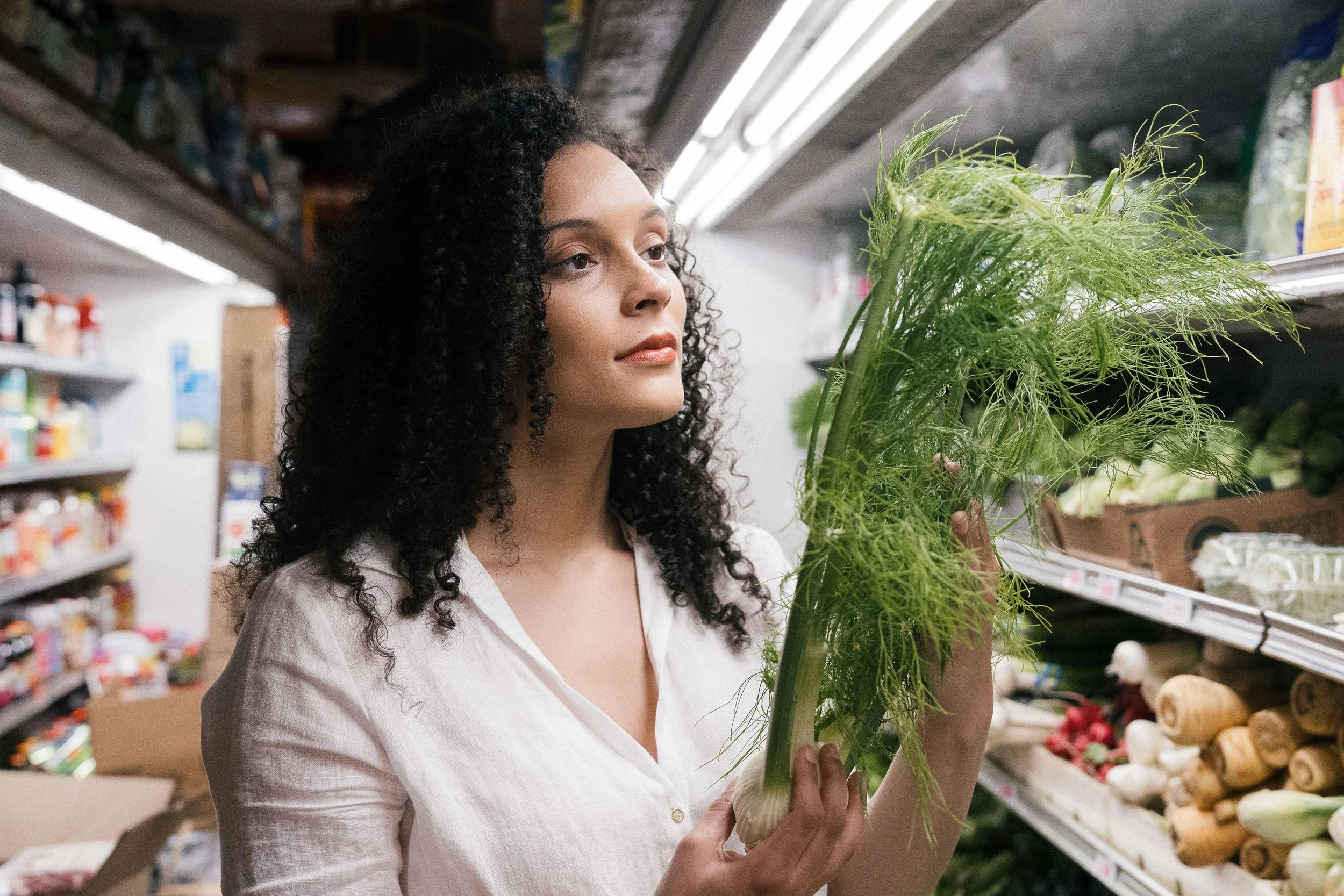
In The Organized Cook’s Pantry: Strategies for Efficiency and Flavor, I discuss how ingredient storage directly influences cooking efficiency.
When ingredients are stored in a way that preserves their quality, they are more likely to be used.
And when they are used consistently, meal planning becomes more intuitive.
This is especially true for foundational ingredients like potatoes and onions, which appear across countless dishes.
This Week’s Kitchen Challenge
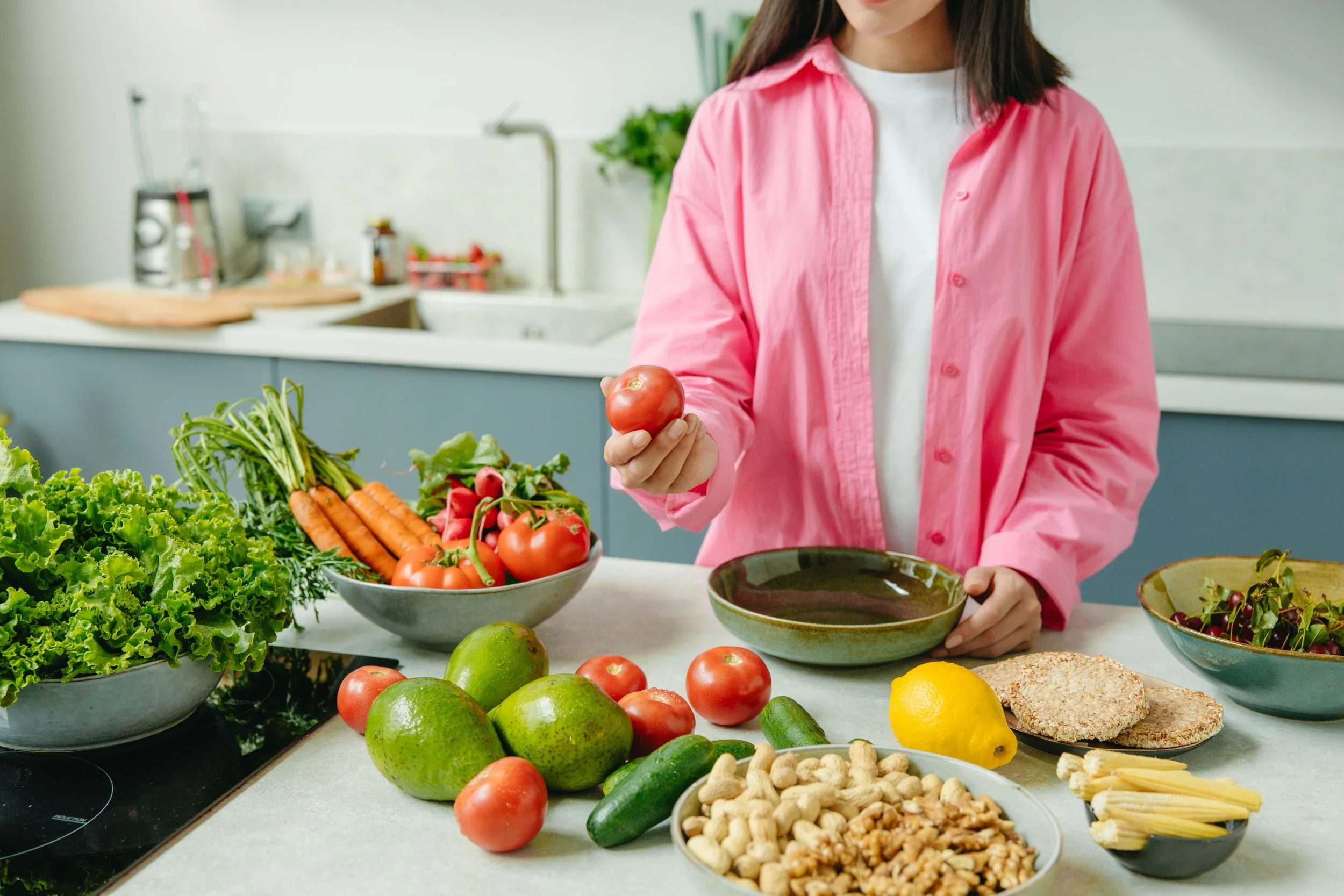
Take a look at how you are currently storing:
• potatoes
• onions
• garlic
Ask yourself:
• Are they getting enough airflow?
• Are they exposed to light?
• Are they stored too closely together?
If needed, revisit:
• Episode #2 for airtight storage guidance
• Episode #3 for grouping and organization strategies
Think about what you can do with the space that you have to make a difference in your storage situation. Then, make one small adjustment.
That is enough.
Looking Ahead
In the next episode, we will bring everything together.
We’ll look at how to build a pantry system that works within the actual structure of your home, including:
• shelf depth
• container sizing
• safety considerations
• and practical layout strategies
Because the most effective pantry systems are not designed in theory.
They are built to function in real spaces.
Stay hungry, my friends.
—
Kimberly Fehler
Owner & CEO
MealScript
#MealScript #PantryArchitecture #RootVegetableStorage #KitchenSystems #PantryManagement #OrganizedPantry #FoodPreservation #KitchenEfficiency #SmartMealPlanning #ResilientKitchenMcGregor
