

The Organized Pantry: Storage Systems That Actually Work (Episode 3)
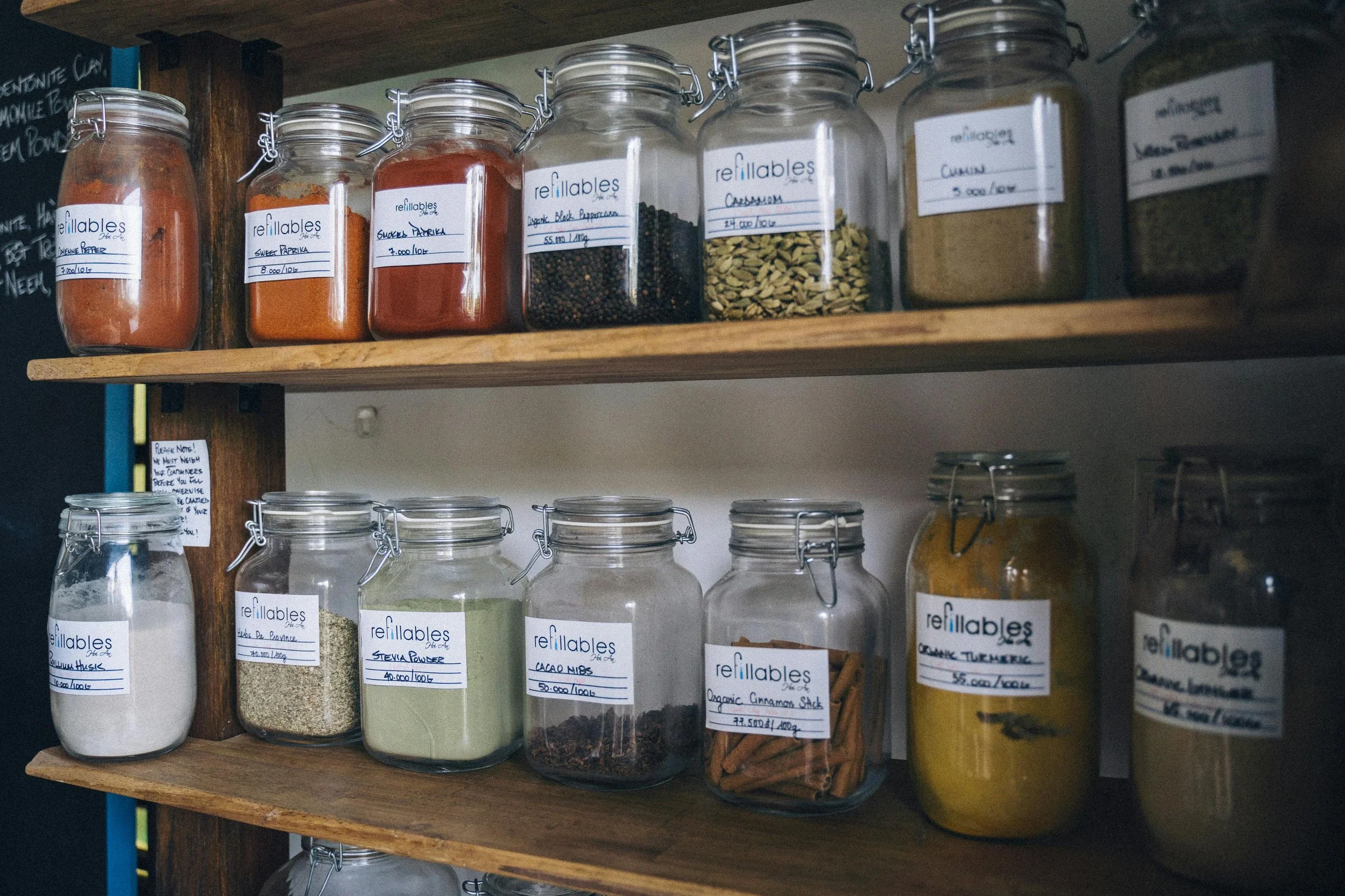
Storing Bulk Ingredients Without Creating Confusion
Welcome back, food fans.
In Episode #1: The Foundations of a Working Pantry System, we introduced the core principles that make a pantry functional: visibility, accessibility, and rotation. In Episode #2: Airtight Storage – Plastic vs. Glass, we explored how storage choices impact ingredient quality and usability.
Today, we take the next step.
Because once you understand how to store ingredients, the next question becomes:
How do you store larger quantities—without creating clutter, confusion, or waste?
Bulk buying can be one of the most effective ways to reduce grocery costs.
But without a clear system, it can just as easily create:
• overstocked shelves
• forgotten ingredients
• duplicated purchases
• frustration when planning meals or researching recipes
A well-organized pantry should make bulk ingredients easier to use—not harder to manage.
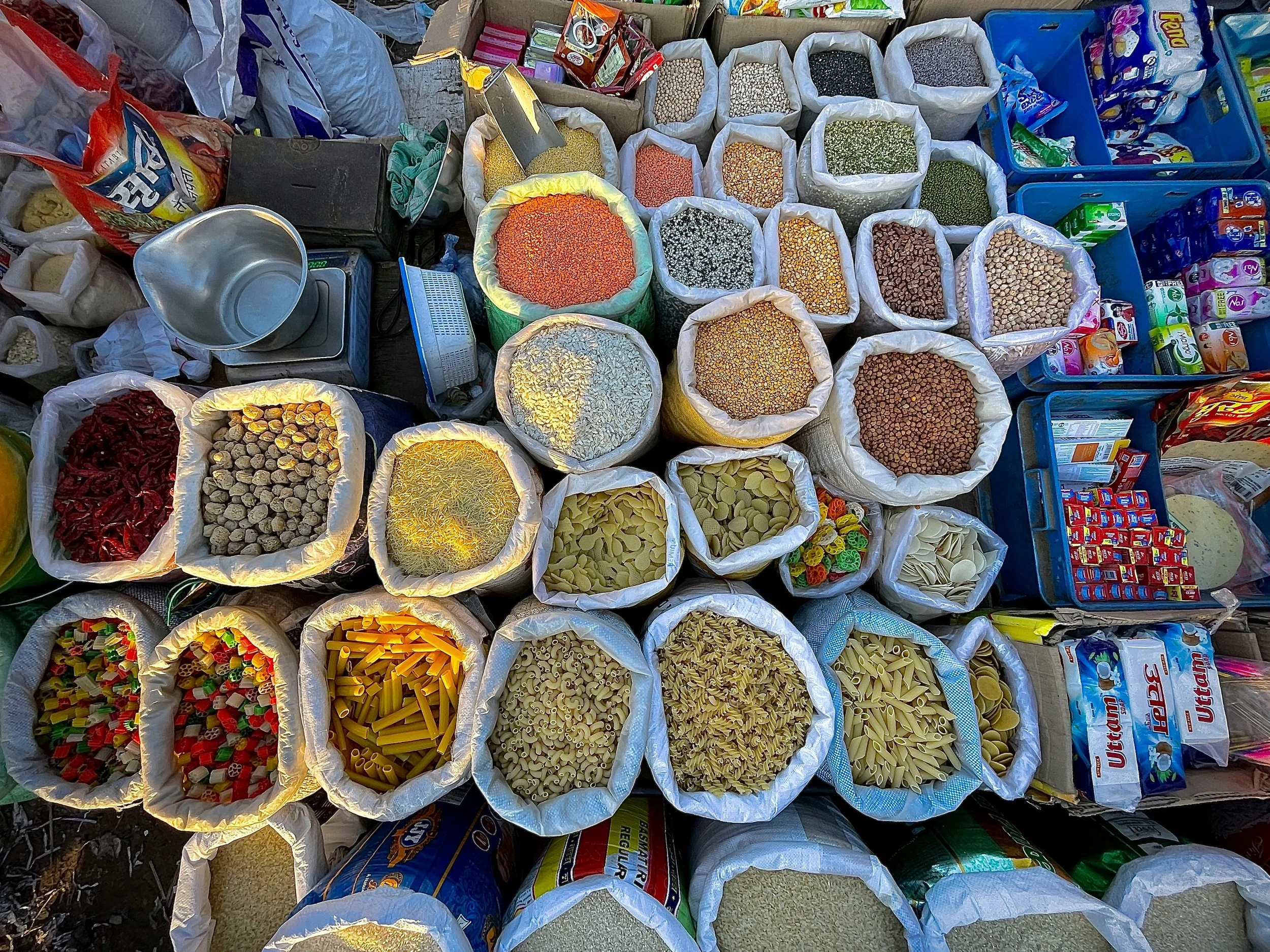
Why Bulk Buying Appeals to Modern Kitchens
Buying in bulk has become increasingly common, especially as households look for ways to stretch their grocery budgets.
It offers clear advantages:
• lower cost per unit
• fewer shopping trips
• better preparedness for weekly meal planning
Many of the ingredients we’ve discussed throughout this series—and in our earlier historical cooking series—are ideal for bulk purchasing:
• dried beans (Episode #1–2 of the previous series)
• rice, barley, and farro (Episodes #9–10)
• flour and baking staples (Episodes #11–12)
• pasta (Episodes #13–14)
These ingredients are inexpensive, shelf-stable, and incredibly versatile.
But bulk purchasing only works when supported by a system.
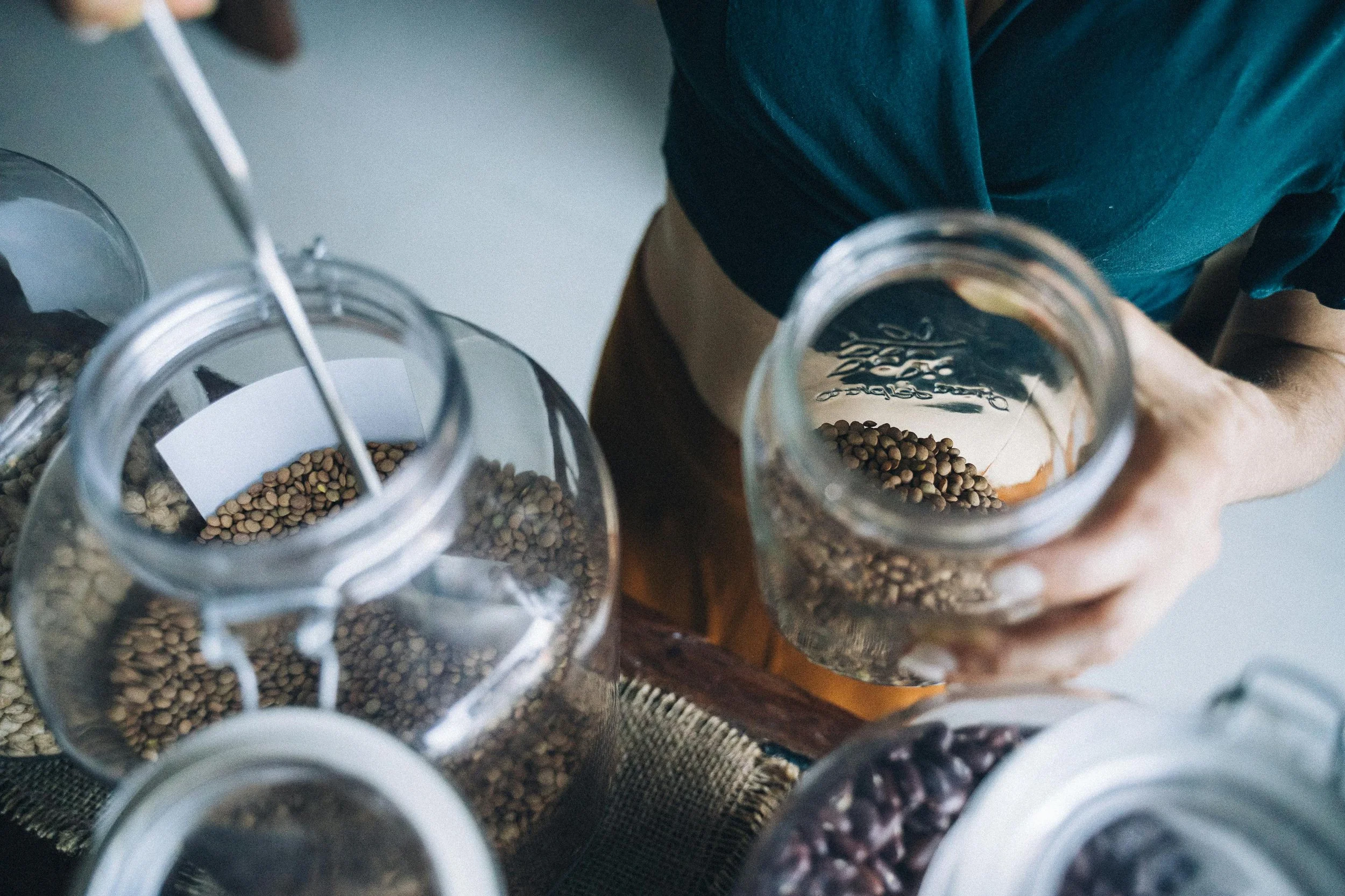
The Hidden Problem with Bulk Storage
The challenge is not buying in bulk.
The challenge is managing bulk ingredients once they are in your home.
Without a system, bulk storage often leads to:
• partially used bags pushed to the back of shelves
• ingredients transferred into containers without labels
• multiple open packages of the same item
• uncertainty about how much is actually available
This creates friction at exactly the moment you need clarity most:
when you are planning meals or researching recipes.
Instead of your pantry serving as a tool, it becomes a source of hesitation.
A System, Not a Container
One of the most important ideas in this episode is this:
Bulk storage is not about containers.
It is about systems.
As we discussed in Episode #1, storage alone does not create organization.
A system answers:
• What do I have?
• Where is it located?
• How much remains?
• What should be used first?
Containers can support that system—but they cannot replace it.
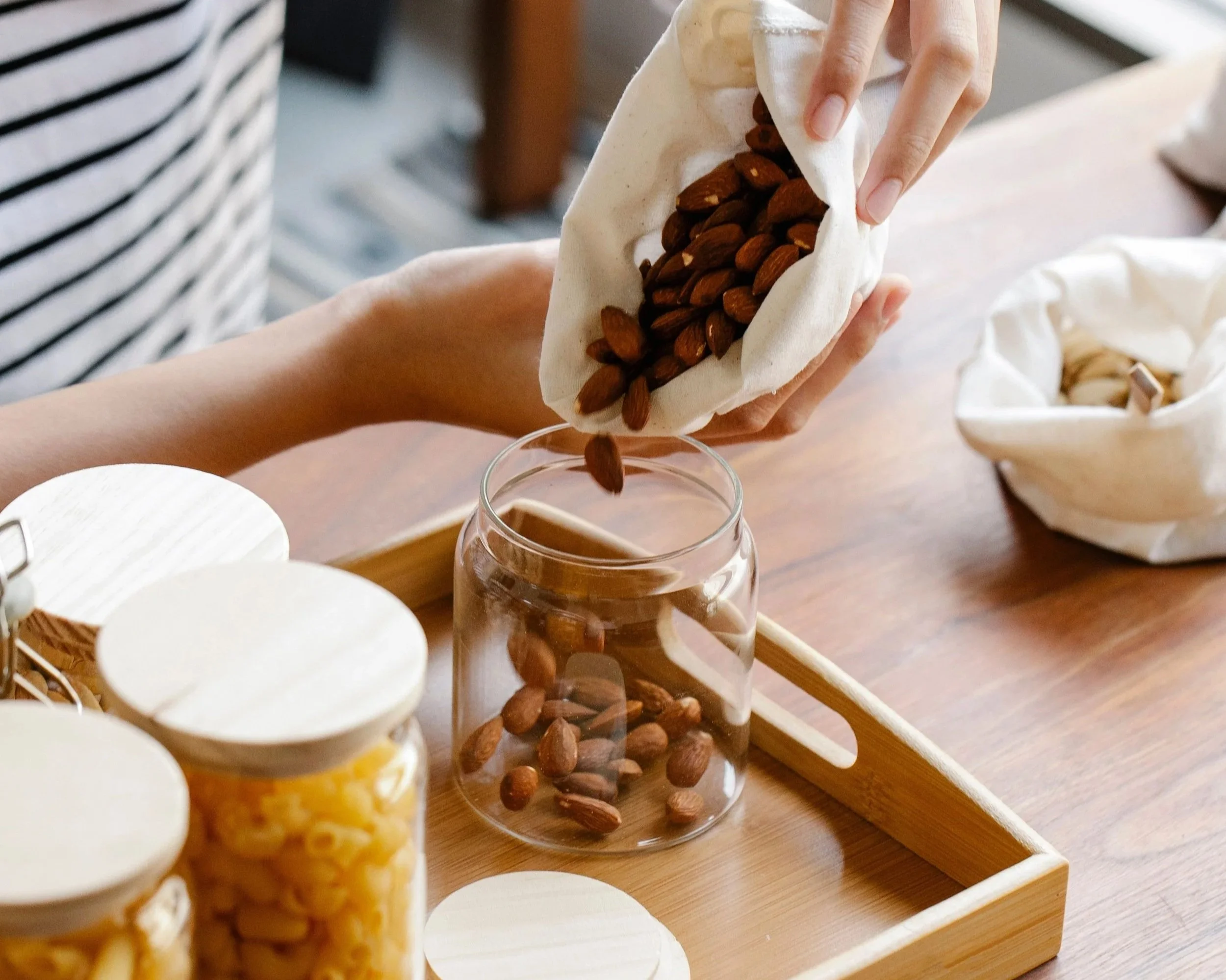
The “Double Containment” Method
One of the simplest and most effective approaches to bulk storage is what we might call double containment.
This method involves:
• keeping ingredients in their original packaging
• placing that packaging inside a larger container or bin
For example:
• a bag of flour inside a lidded bin (especially if you keep all-purpose flour, bread flour)
• multiple rice bags grouped together in one container
• dried beans stored in labeled category bins
This approach preserves:
• expiration dates
• cooking instructions
• product details
While still providing:
• structure
• grouping
• protection from pests
It also eliminates the need to transfer every ingredient into a separate container.
When to Decant—and When Not To
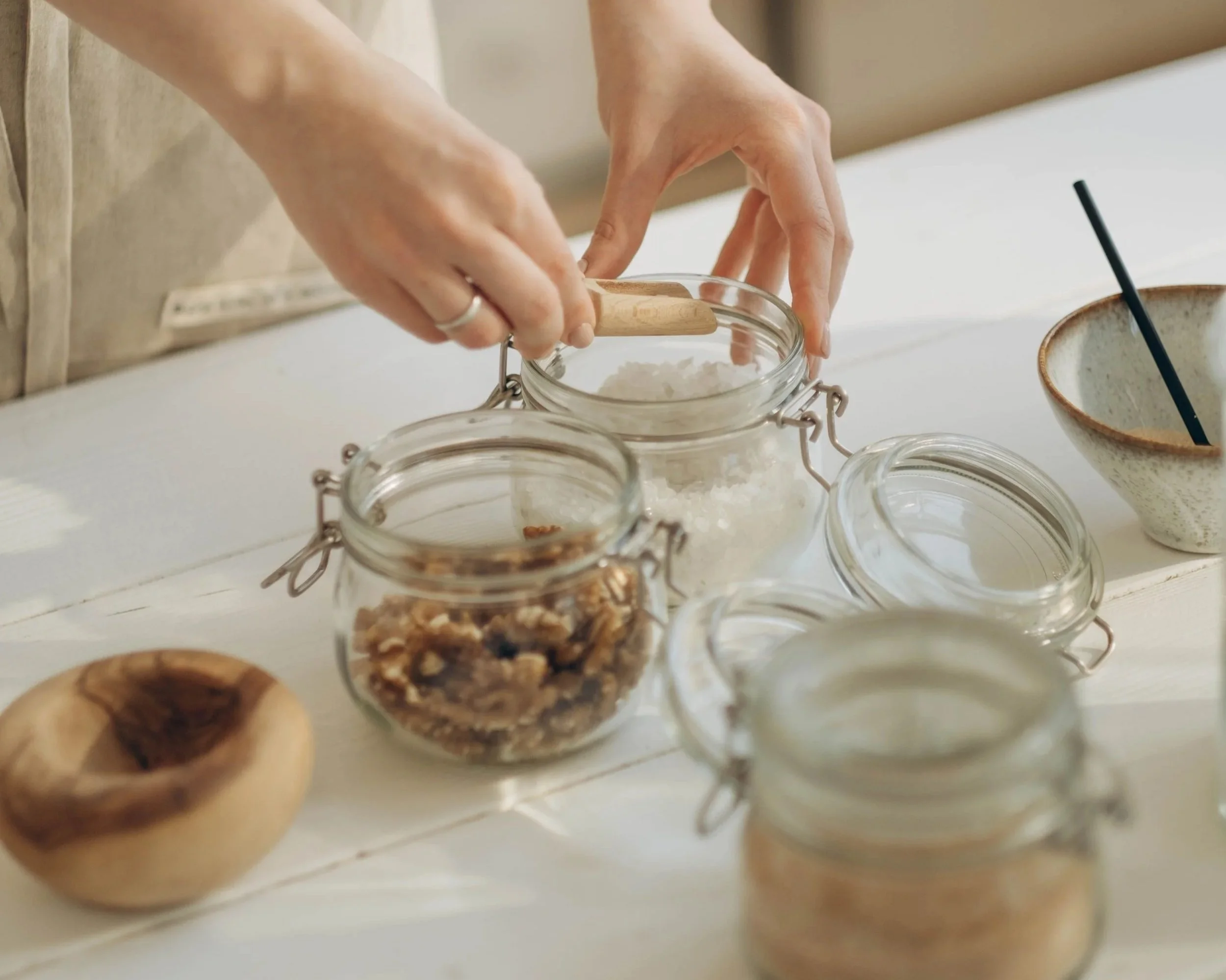
Decanting (transferring ingredients into containers) can be helpful—but it should be intentional.
Decant when:
• the ingredient is used frequently
• you need quick visual access for meal planning
• the original packaging is difficult to use
• you are working with smaller quantities
For example, my staple rice, which I buy in 22-pound bags, is stored in a rice dispenser. They are moisture-proof and convenient as they come with their own handled cup. One of these might be a good friend to you. Multiple brands on Amazon come in different sizes. Don’t do what I did the first time and go cheap. Buy once for quality and durability. It’s the best way to invest in yourself.
Keep original packaging when:
• the ingredient is used occasionally
• you rely on the instructions or expiration date
• you are storing larger quantities
• decanting would create unnecessary work
This balanced approach prevents overcomplication.
And more importantly, it supports clarity when planning meals or checking ingredients while researching recipes.

Grouping by Function, Not Category Alone
Traditional pantry organization often groups ingredients by type:
• grains with grains
• canned goods with canned goods
• baking supplies together
While this is useful, it is not always sufficient.
A more functional approach includes grouping by use case.
For example:
• “Meal Base Ingredients” (rice, beans, pasta)
• “Quick Meal Additions” (canned tomatoes, broth)
• “Baking Core” (flour, sugar, leavening)
This allows you to think in terms of:
How do I build a meal from what I have?
Which directly supports:
• meal planning
• faster recipe selection
• reduced decision fatigue
Visibility and Quantity Awareness
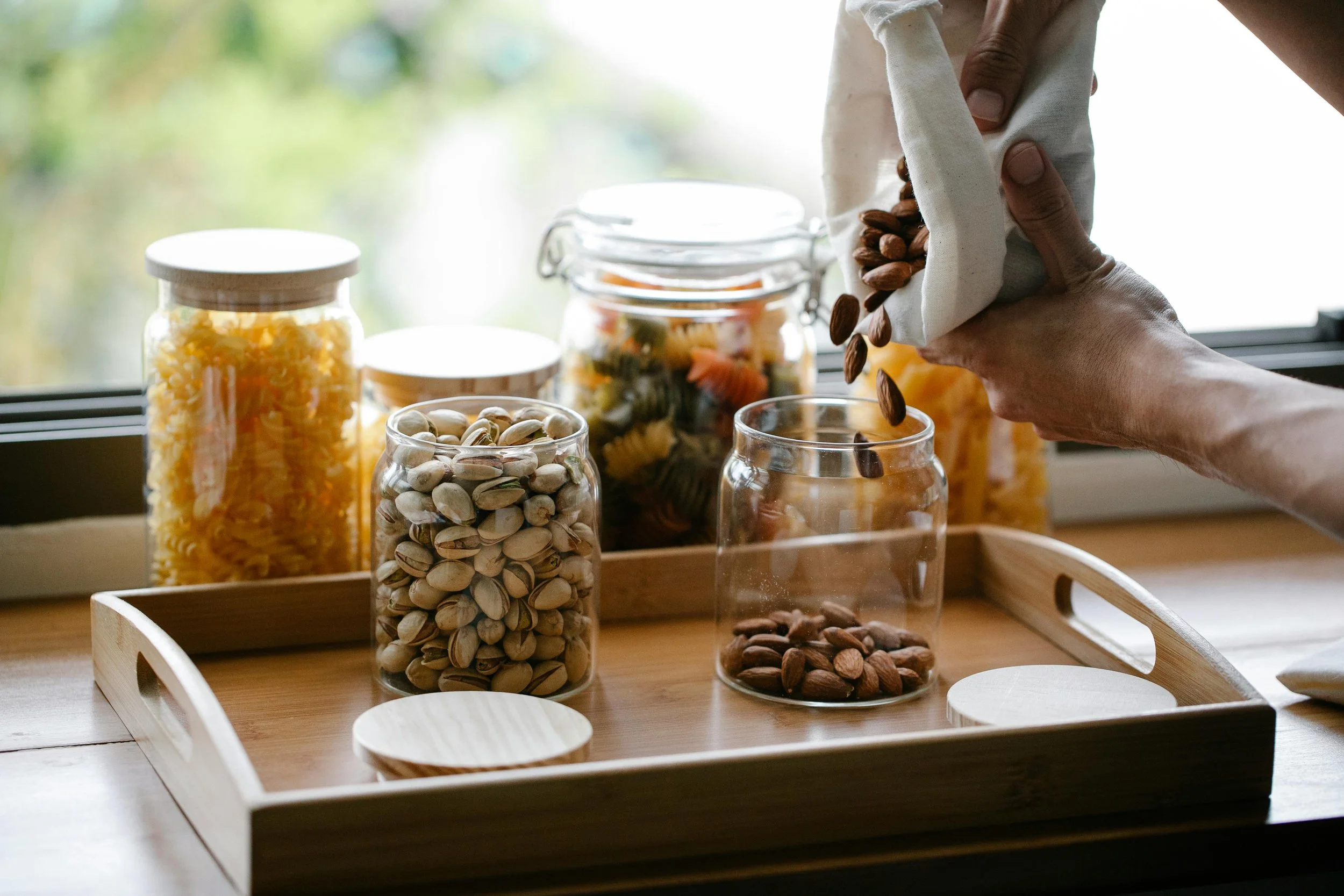
One of the biggest advantages of a well-designed bulk storage system is quantity awareness.
When you can clearly see:
• how much rice remains
• whether your flour is running low
• if you have enough beans for the week
You can make better decisions when:
• planning meals
• writing grocery lists
• adjusting recipes
This reduces both overbuying and last-minute store trips.

A Note on Overbuying
Bulk purchasing can create a false sense of security.
It feels productive to stock up—but without a plan, it can lead to:
• expired ingredients
• cluttered storage
• wasted money
A simple rule:
Buy in bulk only what you use consistently.
This aligns with everything we explored in the previous series, where ingredients like beans, grains, and flour were used repeatedly across multiple meals.
Why This Matters for Meal Planning
Bulk storage directly impacts how effectively you can plan meals.
When your pantry is clear and organized:
• you can quickly identify available ingredients
• you can build meals around what you already have
• you spend less time researching recipes
• you reduce unnecessary grocery purchases
In other words, your pantry becomes:
a starting point for planning meals—not an afterthought.
This is one of the most practical ways to reduce both cost and stress in the kitchen.

A Philosophy for Pantry Systems
In The Organized Cook’s Pantry: Strategies for Efficiency and Flavor, I discuss how ingredient organization influences not only storage but daily cooking decisions.
When ingredients are grouped, visible, and easy to evaluate, meal planning becomes more intuitive.
Instead of asking:
What should I cook tonight?
You begin asking:
What can I build from what I already have?
That shift is subtle—but powerful and can greatly support a sense of peace at the end of the day.
This Week’s Kitchen Challenge
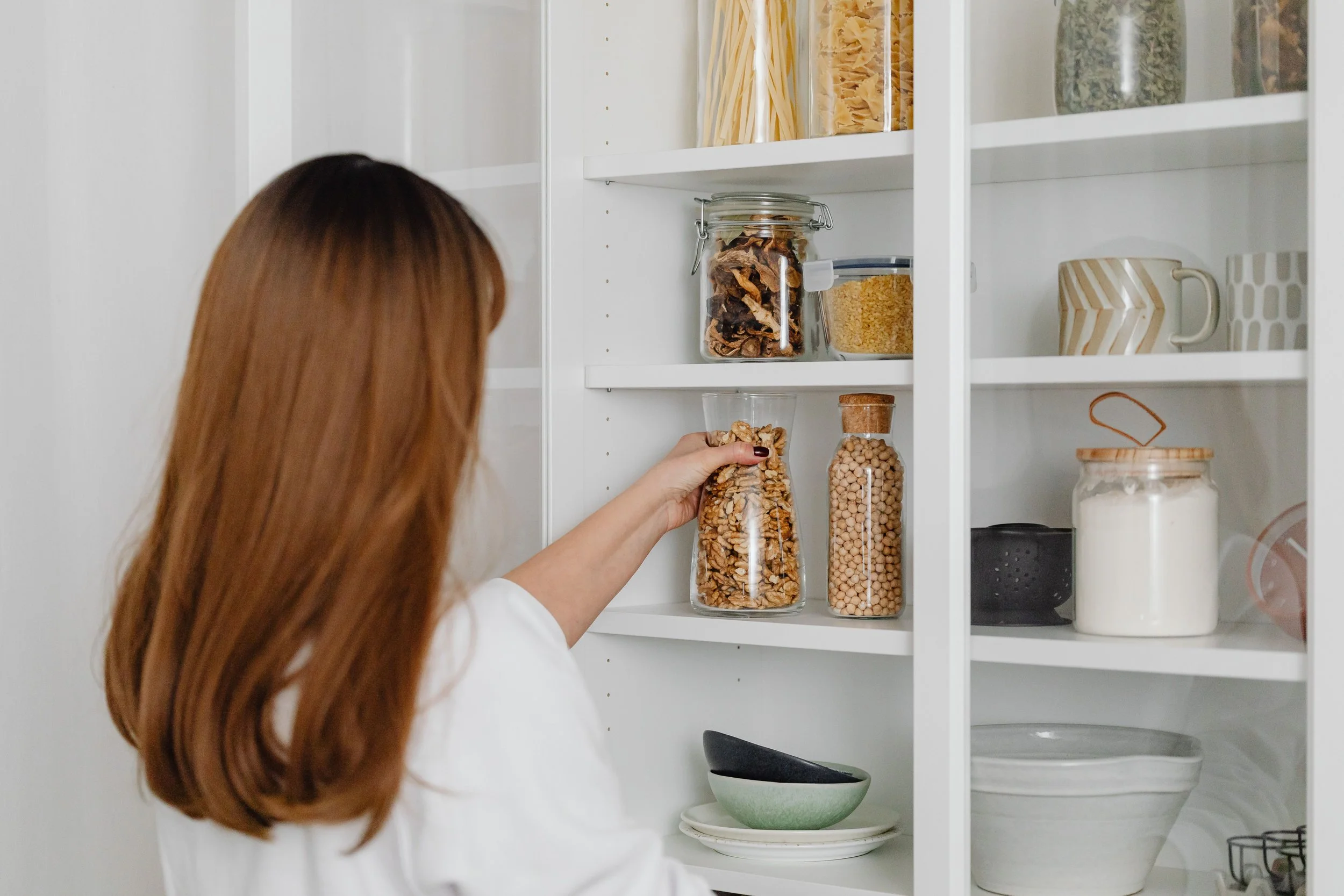
Choose one bulk ingredient in your pantry.
For example:
• rice
• flour
• dried beans
Then ask:
• Do I know exactly how much I have?
• Is it easy to access?
• Am I storing it in a way that supports meal planning?
If needed, revisit:
• Episode #1 for system principles
• Episode #2 for container decisions
Make one small adjustment.
That is enough.
Looking Ahead
In the next episode, we will explore how to properly store:
potatoes, onions, and other root vegetables
—one of the most commonly misunderstood areas of pantry storage.
We’ll look at:
• airflow vs airtight storage
• temperature considerations
• and why certain vegetables should never be stored together
Stay hungry, my friends.
—
Kimberly Fehler
Owner & CEO
MealScript
#MealScript #BulkStorage #PantryArchitecture #KitchenSystems #DoubleContainment #OrganizedPantry #FrugalWellness #KitchenEfficiency #SmartMealPlanning #KimberlyFehler
