

Seasonal Kitchen Systems: Summer Edition (Episode 1)
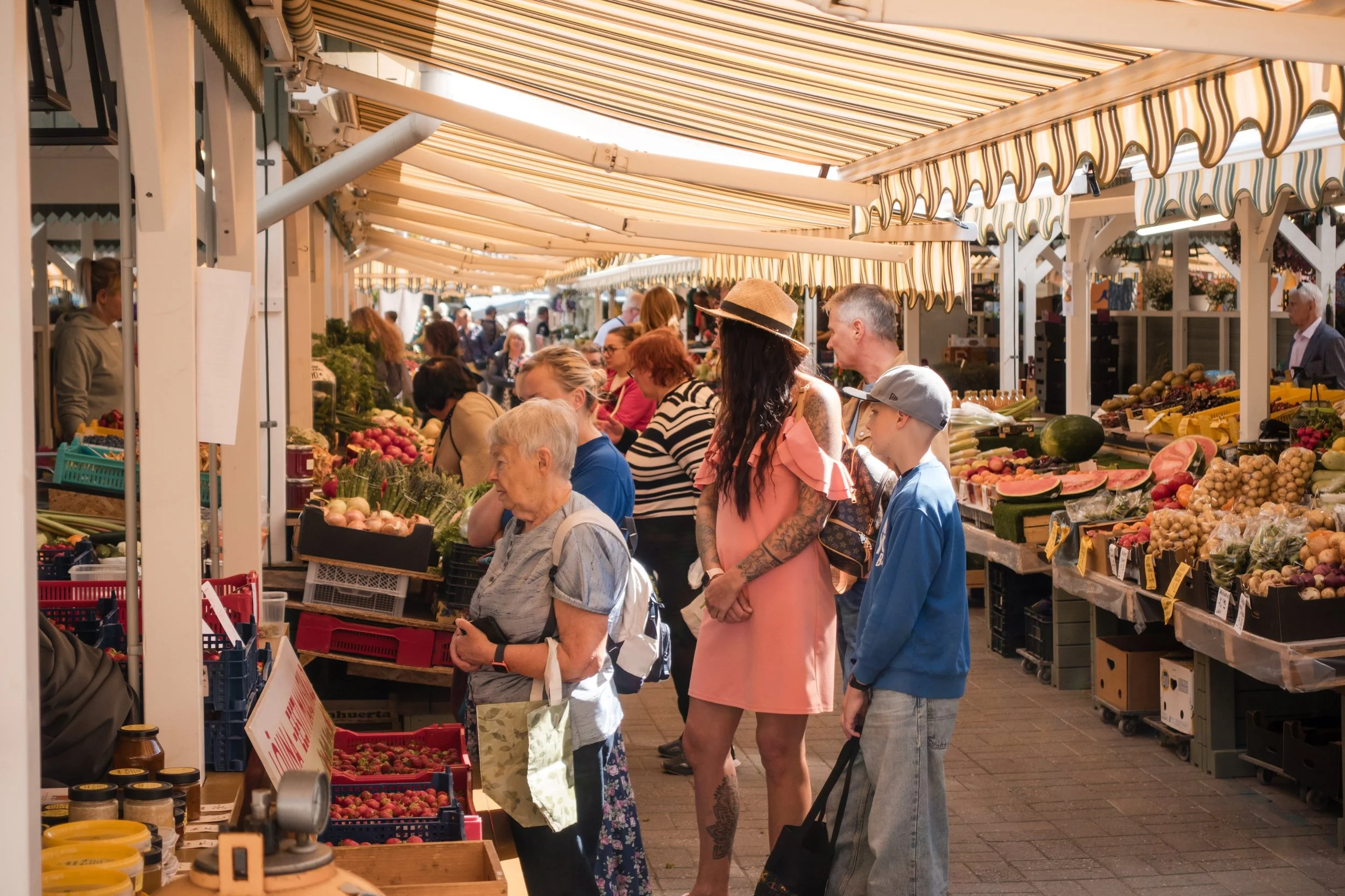
Bounty from the Garden: Using What’s in Season Without Starting Over
Welcome back, food fans.
In our introductory essay for this series, we explored how a well-functioning kitchen adapts to the season. The structure remains the same, but the ingredients—and the way we use them—begin to shift.
Today, we begin with one of the most natural starting points for summer cooking:
seasonal produce.
Whether it comes from a local farmer’s market, your personal garden, or the produce section of your grocery store, summer offers an abundance of fresh ingredients that feel inspiring in the moment.
But without a system, that same abundance can quickly become overwhelming.
The question is not simply:
What summer recipes can I make with this?
It becomes:
How do I use what is in season while still planning meals efficiently and making the most of what I already have?
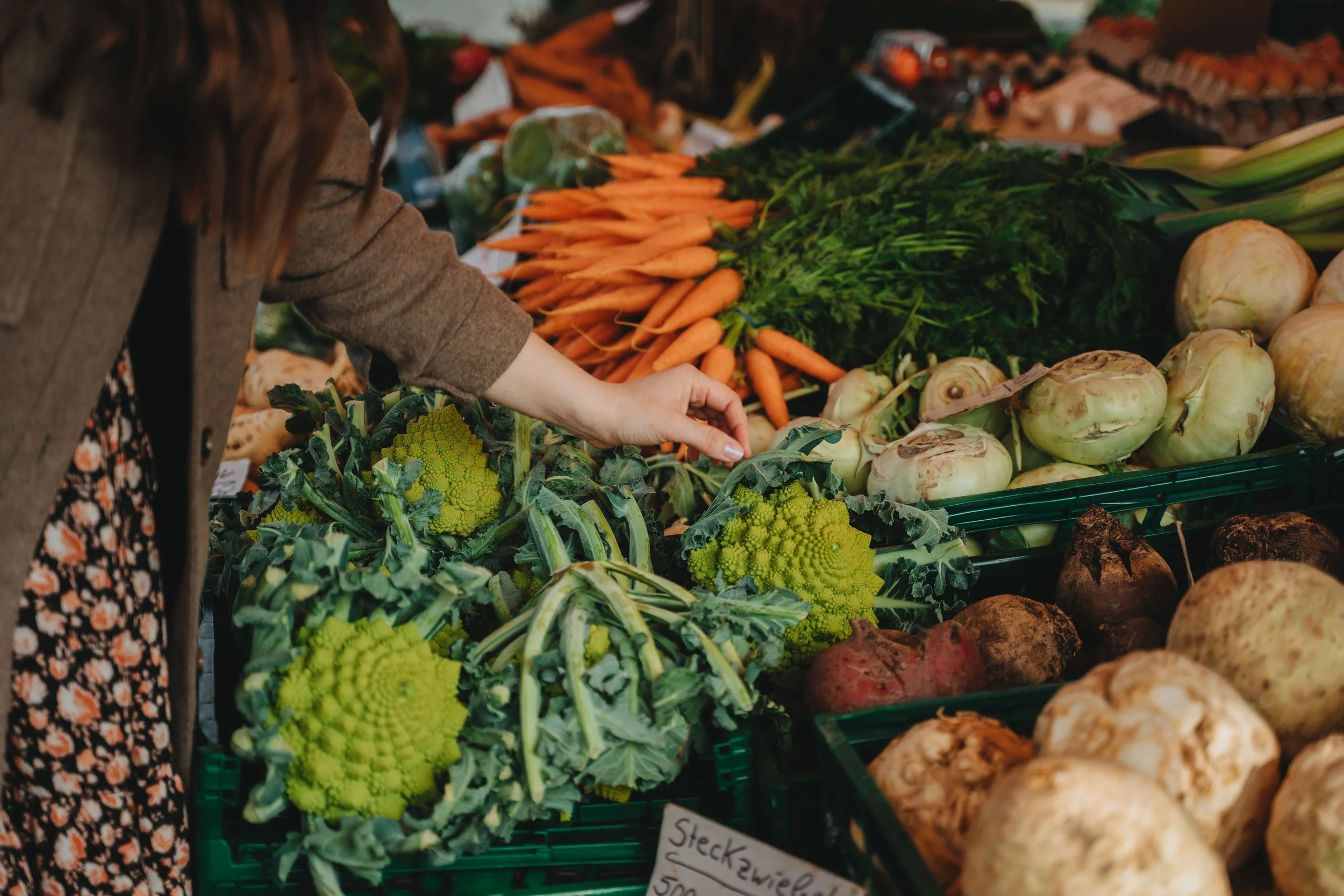
Fresh Ingredients, Familiar Systems
One of the most common challenges in summer cooking is the feeling of starting over.
You bring home fresh produce.
Your appetite shifts.
Your schedule fills with other priorities.
And suddenly, the systems that supported your kitchen in previous months feel harder to maintain.
But in reality, very little needs to change.
As we explored in:
• The Organized Pantry: Episode #1 (Foundations)
• Episode #3 (Bulk Storage Systems)
Your kitchen already operates on a framework of:
• visibility
• accessibility
• rotation
These principles do not disappear in summer.
They simply need to be applied to a different set of ingredients.
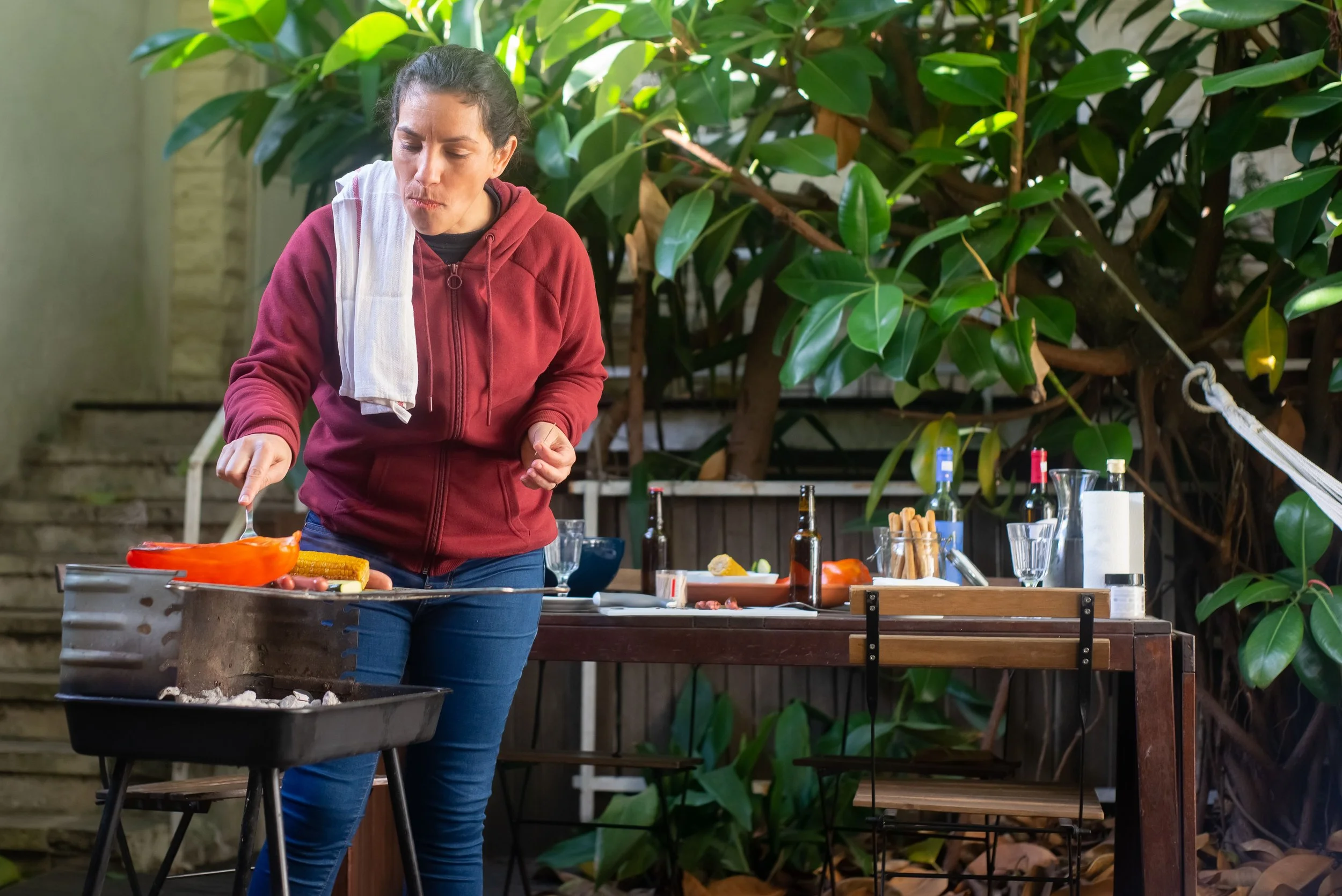
Why Summer Cooking Feels Harder Than It Should
Summer cooking presents a unique kind of friction.
The kitchen is warmer.
There are more interesting things to do than stand over a stove.
And for many people, appetite begins to check out by late afternoon—making the idea of planning meals or preparing dinner feel unexpectedly difficult.
This often leads to:
• last-minute meal decisions
• increased time spent researching recipes
• repeated or uninspired meals
• underused produce from the farmer’s market or personal garden
The issue is not a lack of ingredients.
It is a lack of integration into your meal planning system.
A Simple Shift in Thinking
Instead of treating fresh ingredients as something separate, begin to think of them as:
extensions of your existing meal planning system.
In the earlier series, we built meals around:
• grains
• beans
• pasta
• eggs
Those foundational elements do not change.
Now, we layer seasonal produce into those same structures.

Building Summer Meals Without Starting Over
This is where meal planning becomes significantly easier.
Instead of constantly searching for new summer recipes, you adapt what you already know.
One of the most effective—and flexible—ways to do this is through grain and vegetable bowls.
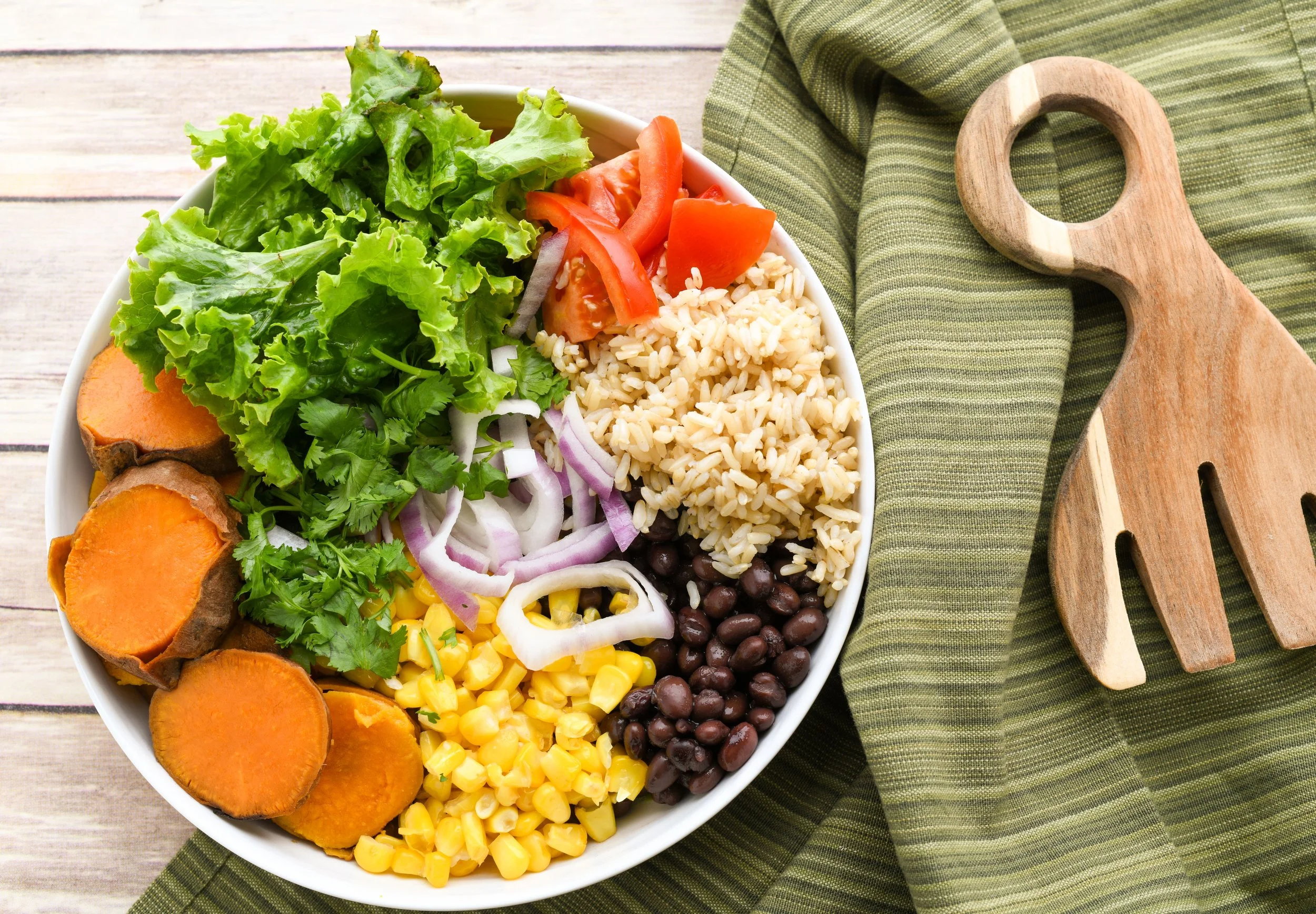
Practical Example: Grain & Vegetable Bowls
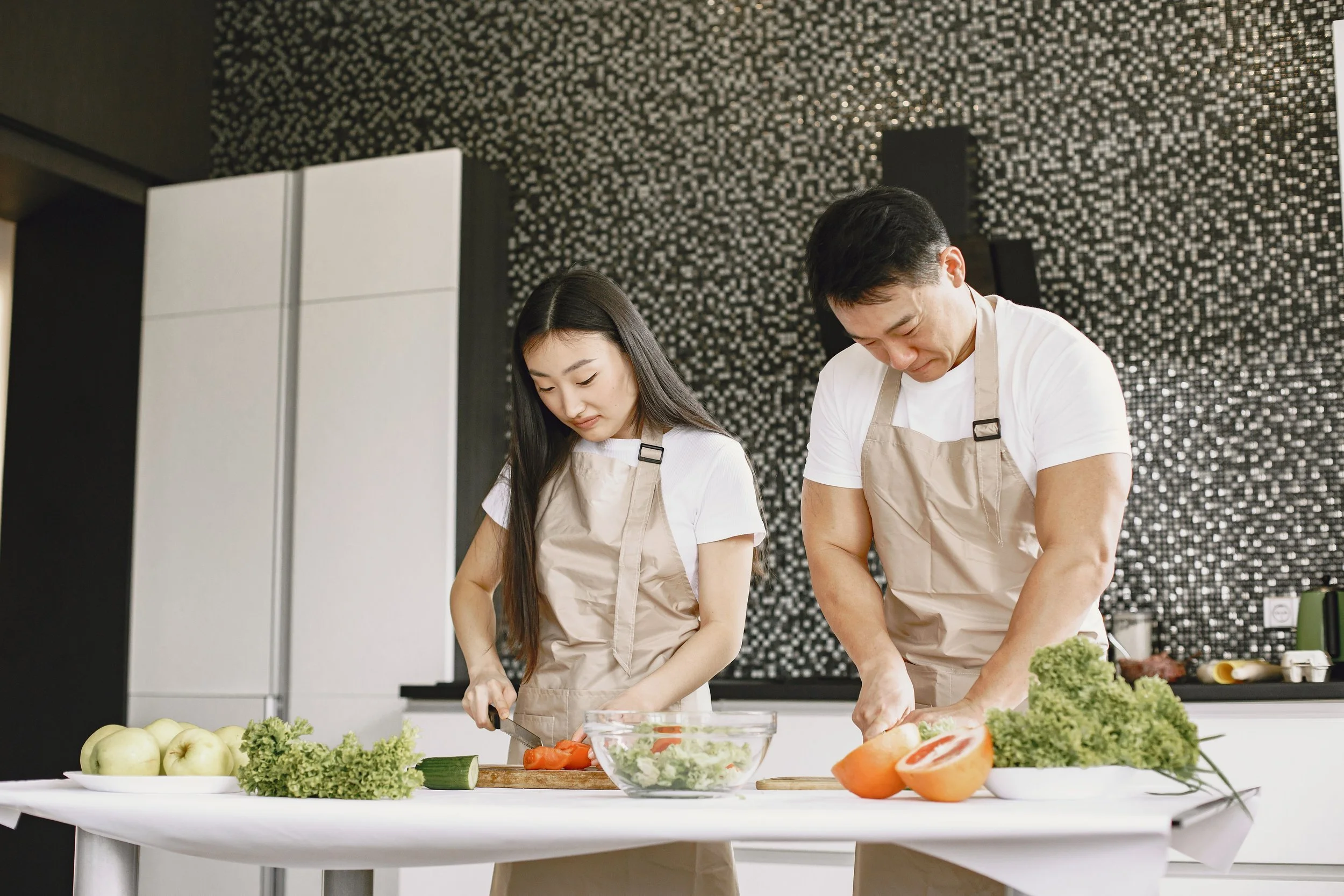
Grain bowls are one of the simplest ways to use fresh produce efficiently while keeping meal planning manageable.
They allow you to combine:
• a base (grain)
• a protein (optional or flexible)
• seasonal vegetables
• herbs and simple dressings
Weekend Meal Prep Approach
Instead of cooking from scratch every night, prepare a few core components ahead of time.
For example:
Cook 2–3 grains:
• rice
• farro
• quinoa
Prepare 1–2 beans or legumes:
• chickpeas
• black beans
• white beans
Store these in your refrigerator so they are ready to use throughout the week.
This creates a foundation that makes planning meals faster and far less stressful, especially when energy and appetite are low later in the day.
Build-As-You-Go Bowl Examples
Without Meat Protein
• farro + cucumbers + tomatoes + fresh herbs + olive oil
• rice + black beans + zucchini + lime + cilantro
• quinoa + chickpeas + roasted peppers + simple vinaigrette
With Meat Protein (Optional Add-On)
• rice + grilled chicken + tomatoes + herbs
• farro + ground turkey + sautéed zucchini
• quinoa + leftover steak + greens + dressing
These meals:
• require minimal cooking at mealtime
• reduce time spent researching recipes
• adapt easily to what you have on hand
• make use of fresh produce before it spoils
And most importantly:
They allow your kitchen to keep functioning—even when you don’t feel like cooking.
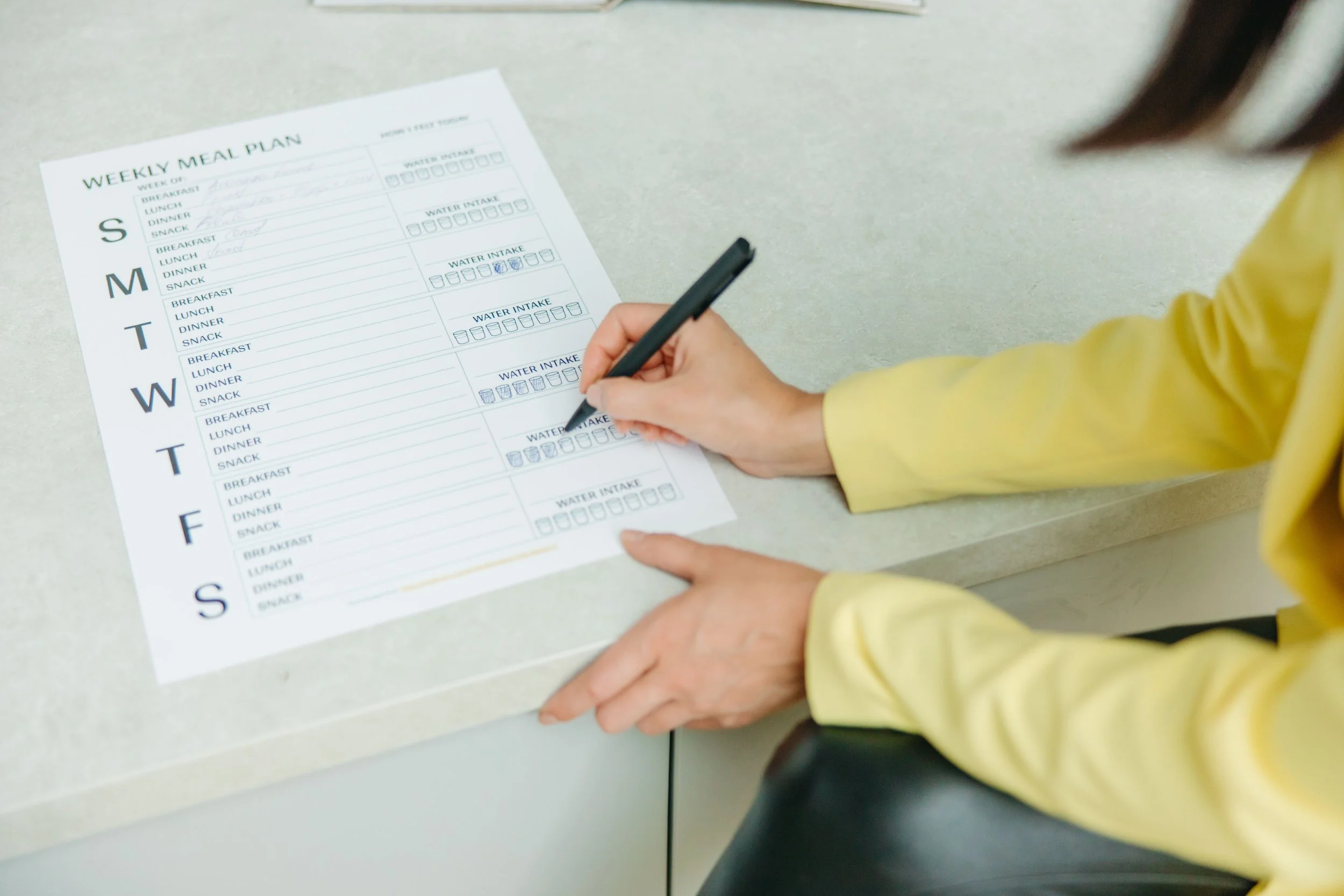
To make this even easier, I’ve created a simple Summer Meal Framework Chart you can download and keep in your kitchen.
👉 Download it here
Why This Matters for Meal Planning
When fresh ingredients are not integrated into your system, meal planning becomes more complicated.
You may find yourself:
• buying produce without a clear plan
• spending more time researching recipes
• feeling uncertain about what to cook
• wasting ingredients that seemed promising
But when you use a structured approach like this:
• planning meals becomes easier
• your grocery list becomes more intentional
• fresh ingredients are used more consistently
• summer recipes feel natural—not forced
Instead of asking:
What should I make with this?
You begin asking:
How does this fit into my meal planning this week?

A Note on Appetite and Simplicity
Summer changes how we eat.
Appetite may drop in the evening.
Heavy meals feel less appealing.
And time in the kitchen becomes less desirable.
This is where systems matter most.
Meals can be:
• lighter
• more flexible
• assembled rather than fully cooked
Which supports:
• easier meal planning
• less time researching recipes
• more consistency throughout the week

A Philosophy for Seasonal Cooking
In The Organized Cook’s Pantry: Strategies for Efficiency and Flavor, I discuss how ingredient systems allow cooks to adapt without starting over.
Seasonal cooking is not about replacing your pantry.
It is about extending it.
When your pantry system supports your meal planning process, fresh ingredients become easier to use—not harder.
Kitchen waste due to spoilage goes down, and more money stays in your bank account!
Both positives contribute to lower stress and increased personal satisfaction– And who doesn’t need more of that these days?
This Week’s Kitchen Challenge
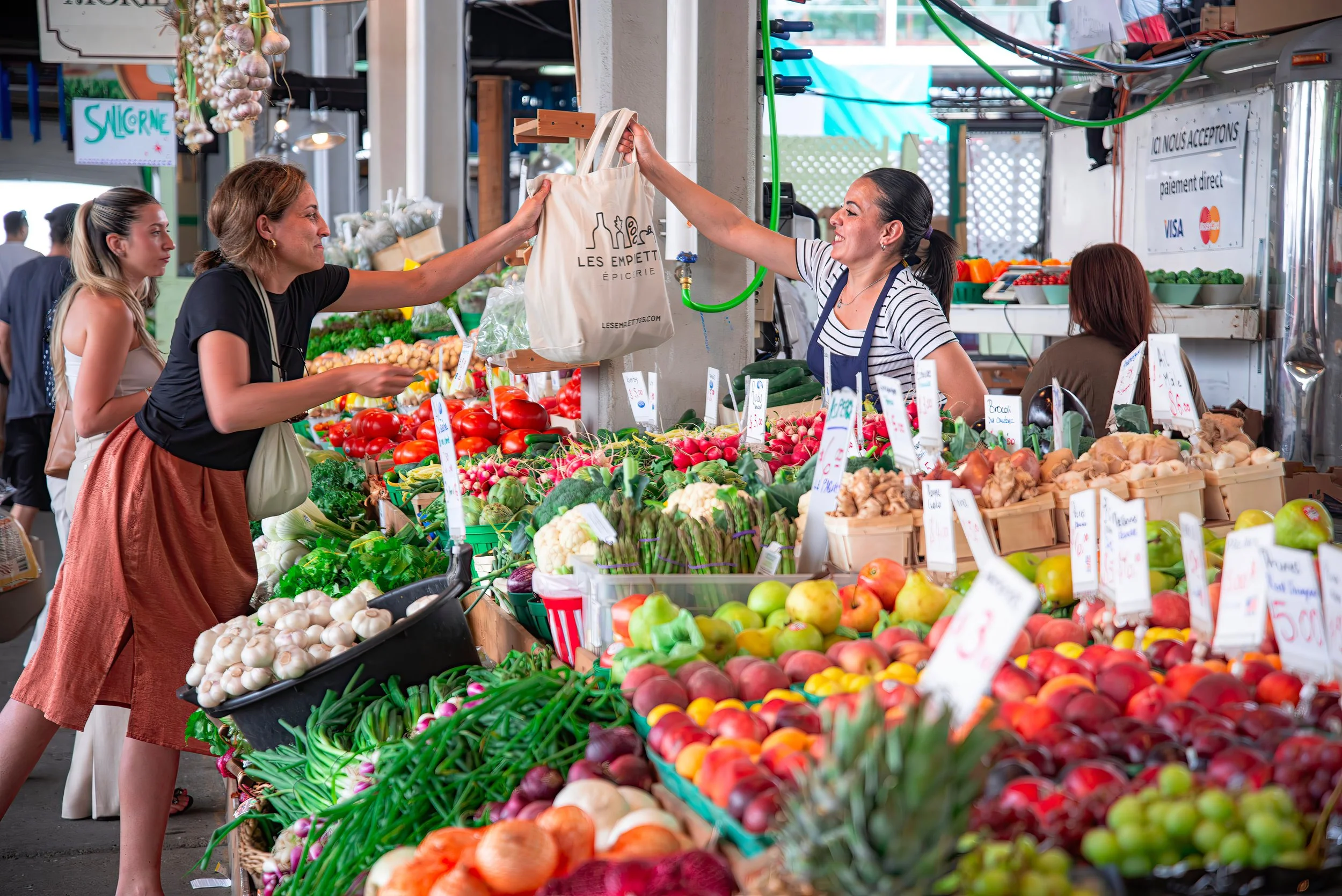
The next time you bring home produce from a farmer’s market, grocery store, or your personal garden:
Ask yourself:
• What do I already have that this pairs with?
• How can I incorporate this into my meal planning this week?
• Can I prepare a few base ingredients ahead of time?
Start small.
Prepare one grain.
Add one vegetable.
Build one meal from it.
That is enough.
Want a Few of My Favorite Summer Recipes?
If you’d like a few of my go-to recipes that make this process even easier:
👉 Click here to receive my favorite recipes for making the most of seasonal ingredients and simplifying summer meal planning.
Looking Ahead
In the next episode, we’ll explore how to build cooling meals that reduce time in the kitchen and make summer cooking more manageable.
We’ll look at:
• no-oven meals
• low-heat cooking methods
• simple meal assembly
All while continuing to support efficient meal planning and reducing the need to constantly research recipes.
Stay hungry, my friends.
—
Kimberly Fehler
Owner & CEO
MealScript Bespoke Meal Planning
#SummerMealPlanning #SeasonalEating #GrainBowls #MealPrepSystems #FarmersMarketHaul #NoCookSummer #MealScript #ReduceFoodWaste #HealthySummerMeals #KitchenEfficiency
