

The Organized Pantry: Storage Systems That Actually Work
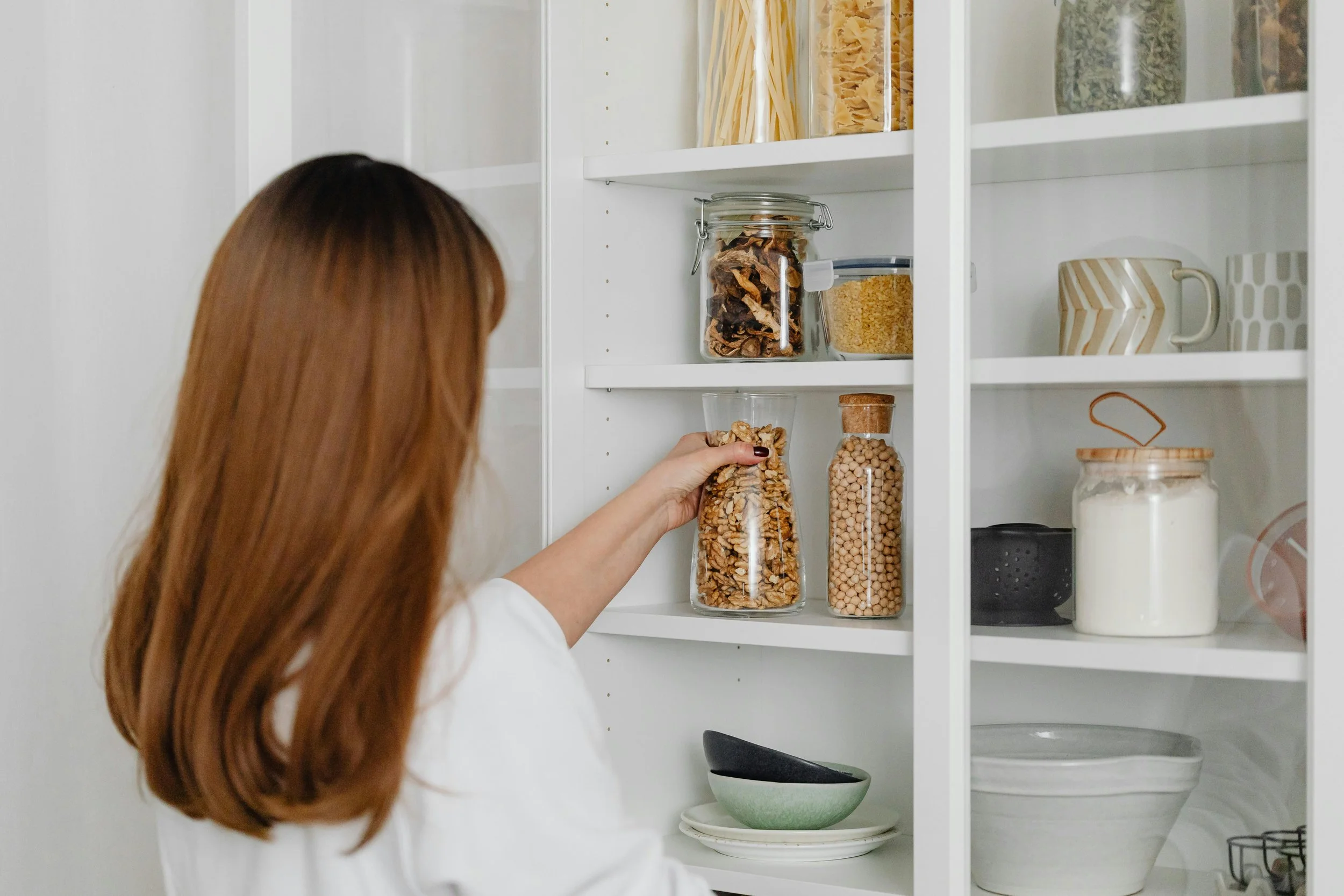
In the previous series, we explored how historical kitchens—particularly those shaped by the Great Depression and wartime rationing—relied on simple, dependable ingredients to create nourishing meals under difficult conditions.
But ingredients alone were never the full story.
Those kitchens worked because they were supported by systems.
Ingredients were stored carefully. Supplies were rotated intentionally. Nothing was left to chance, and very little went to waste.
This next series builds on that foundation.
The Organized Pantry: Storage Systems That Actually Work is designed to explore the practical side of modern kitchen management—how ingredients are stored, organized, and maintained so they remain usable, visible, and efficient over time.
Throughout this series, we will take a closer look at:
• airtight storage systems and when to use them
• the differences between plastic and glass containers
• storing bulk ingredients without creating confusion
• proper storage for potatoes, onions, and other pantry staples
• simple organizational strategies that reduce waste and improve daily cooking
The goal is not to create a picture-perfect pantry.
The goal is to create a working system—one that supports real cooking, real schedules, and real households.
Because when ingredients are stored well, they are used well.
And when they are used well, cooking becomes simpler, more efficient, and far less stressful.
Kimberly Fehler
Owner & CEO
MealScript
#MealScript #PantryOrganization #KitchenSystems #FoodStorage #OrganizedPantry #WasteReduction #HomeManagement #KitchenArchitecture #BulkStorage #KimberlyFehler
