

Final Essay – The Resilient Kitchen: Lessons from Historical Pantries

Welcome back, food fans.
Over the course of this series, we’ve taken a journey through a very specific moment in history—one defined not by abundance, but by necessity.
The Great Depression and the years that followed were marked by economic uncertainty, rationing, and limited access to food. Yet within those constraints, something remarkable emerged.
Not just recipes.
But systems.
Not just meals.
But ways of thinking about food that made survival—and even nourishment—possible under difficult conditions.
We explored beans and legumes, root vegetables, cabbage, grains, flour, pasta, and eggs. At first glance, these ingredients may appear simple, even unremarkable.
But taken together, they tell a very different story.
They tell the story of the resilient kitchen. Something we can take and easily apply in today’s economy.
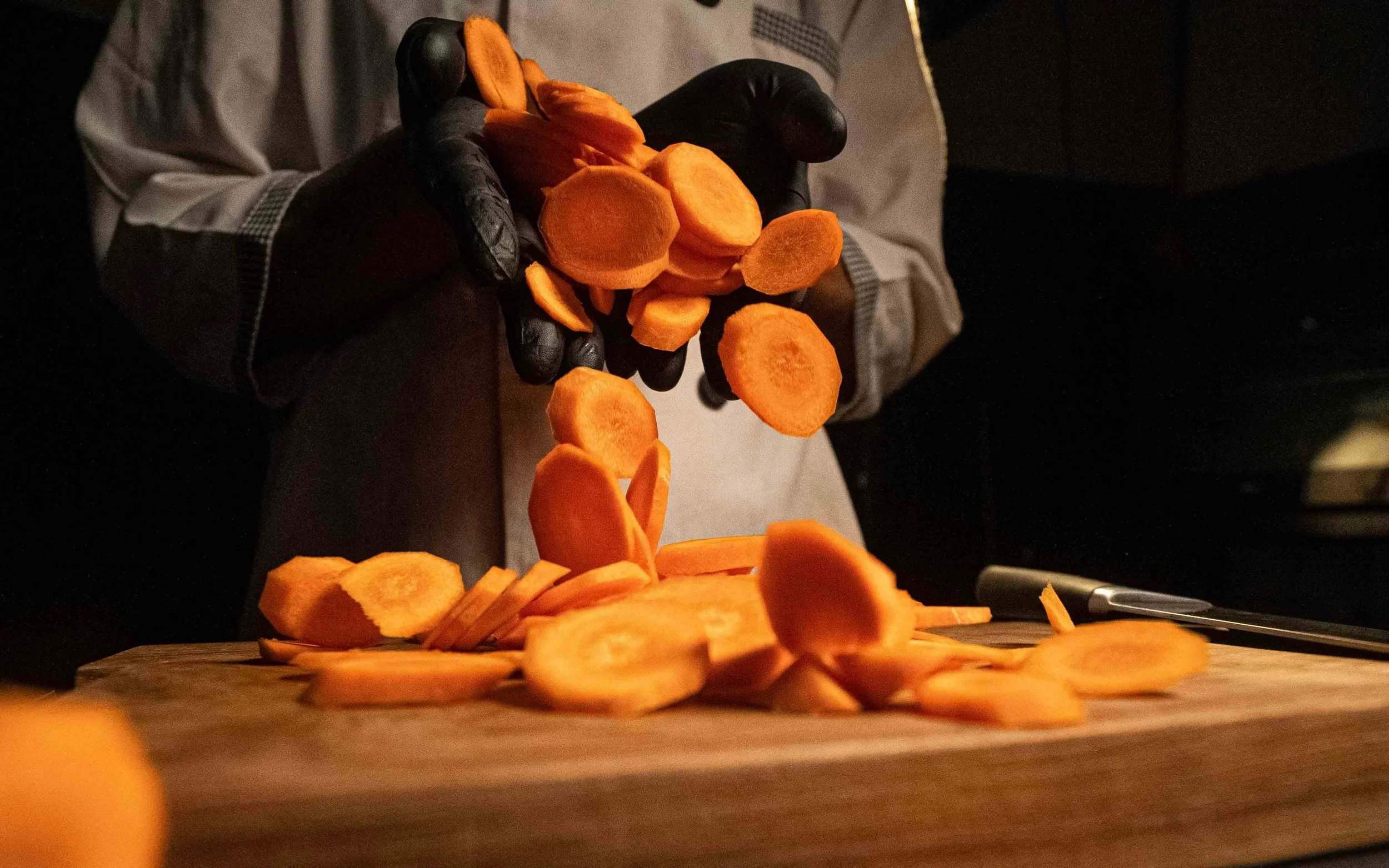
The Ingredients Were Never the Point
If there is one lesson that rises above all the others, it is this:
The power of those kitchens did not come from the ingredients themselves.
It came from how those ingredients were understood and used.
Beans were not just beans.
They were protein that could stretch across multiple meals.
Potatoes were not just a side dish.
They were a foundation—capable of becoming breakfast, lunch, or supper.
Flour was not just for baking.
It was structure, sustenance, and the beginning of countless meals.
Eggs were not just for the morning table.
They were binders, enrichers, and one of the most efficient sources of nourishment available.
Each ingredient served more than one purpose.
And that was the point.

A Kitchen Built on Systems, Not Recipes
Modern cooking often encourages us to think in terms of recipes.
What do I need to buy?
What steps do I follow?
What dish am I making tonight?
But historical kitchens operated differently.
They were not built around individual meals.
They were built around systems.
A pot of beans might become:
• soup on the first day
• a filling for bread on the second
• a side dish later in the week
A batch of cooked grains might serve as:
• breakfast porridge
• a base for vegetables
• an addition to soups or casseroles
A tray of roasted vegetables might be used across several meals, each slightly different from the last.
This approach reduced waste, saved time, and made cooking more predictable—even when resources were limited.
It also created something we rarely talk about today:
momentum in the kitchen.
Why This Matters Now
While this series is rooted in history, it was never intended to stay there.
It is shared to encourage resourcefulness at all times—but especially in seasons like the one many households are experiencing now.
In recent years, grocery costs have risen steadily, and many families have felt the strain of trying to balance quality, nutrition, and budget.
Quite simply:
the dollar is not going as far at the grocery store as it once did.
And when that happens, the question is not just what do we buy.
It becomes:
how do we use what we have more effectively?
This is exactly where the lessons from historical kitchens become incredibly valuable.
Because those kitchens were built for precisely this kind of moment.
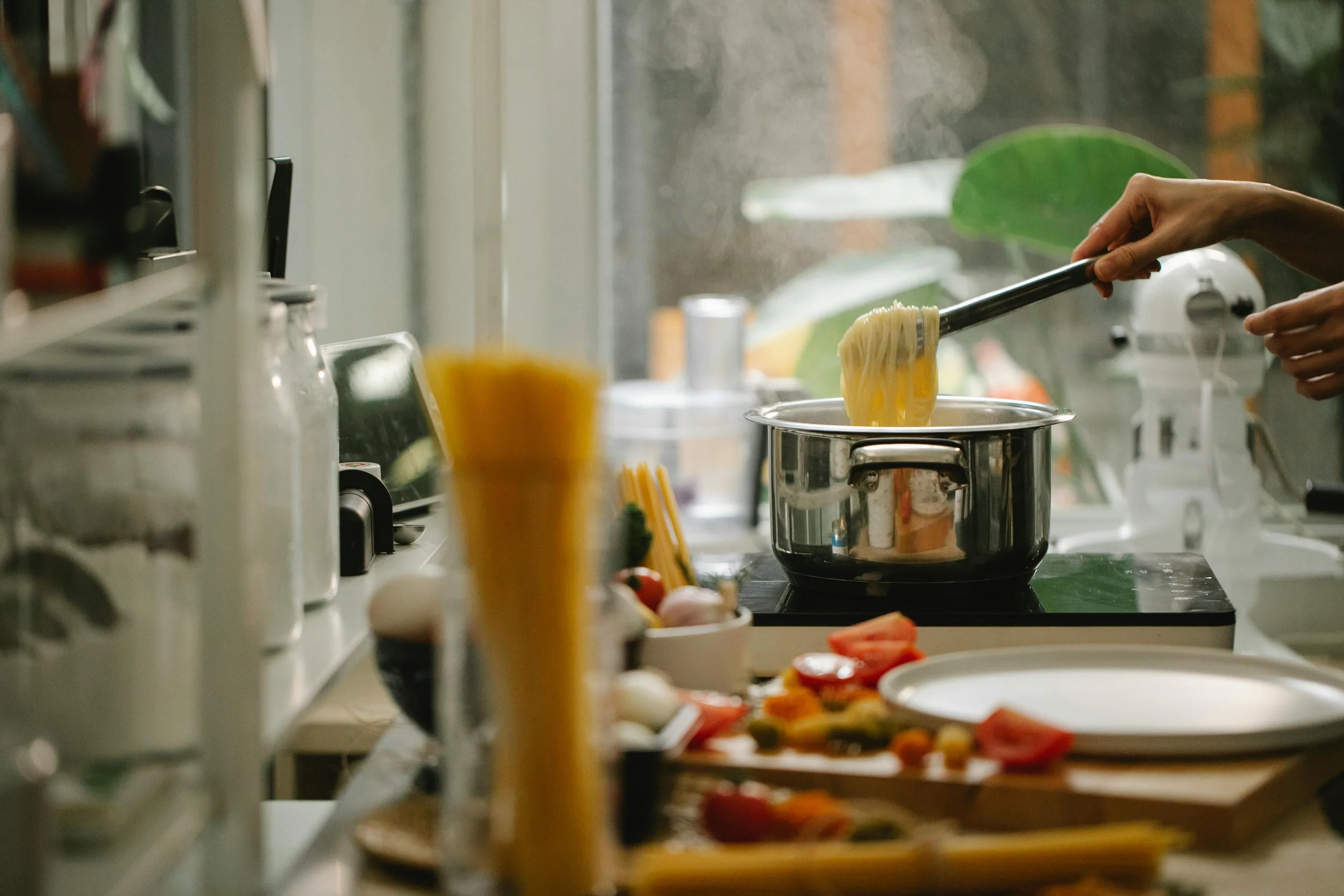
The Quiet Discipline of Resourcefulness
Resourcefulness is not simply about making do.
It is about seeing possibility where others might see limitation.
The cooks of the Great Depression did not have access to the variety of ingredients we enjoy today. But they developed a level of awareness that allowed them to use what they had with remarkable efficiency.
They learned to:
• preserve food when it was abundant
• stretch ingredients when they were scarce
• combine simple elements into satisfying meals
• waste as little as possible
These were not trends.
They were habits.
And over time, those habits became second nature.
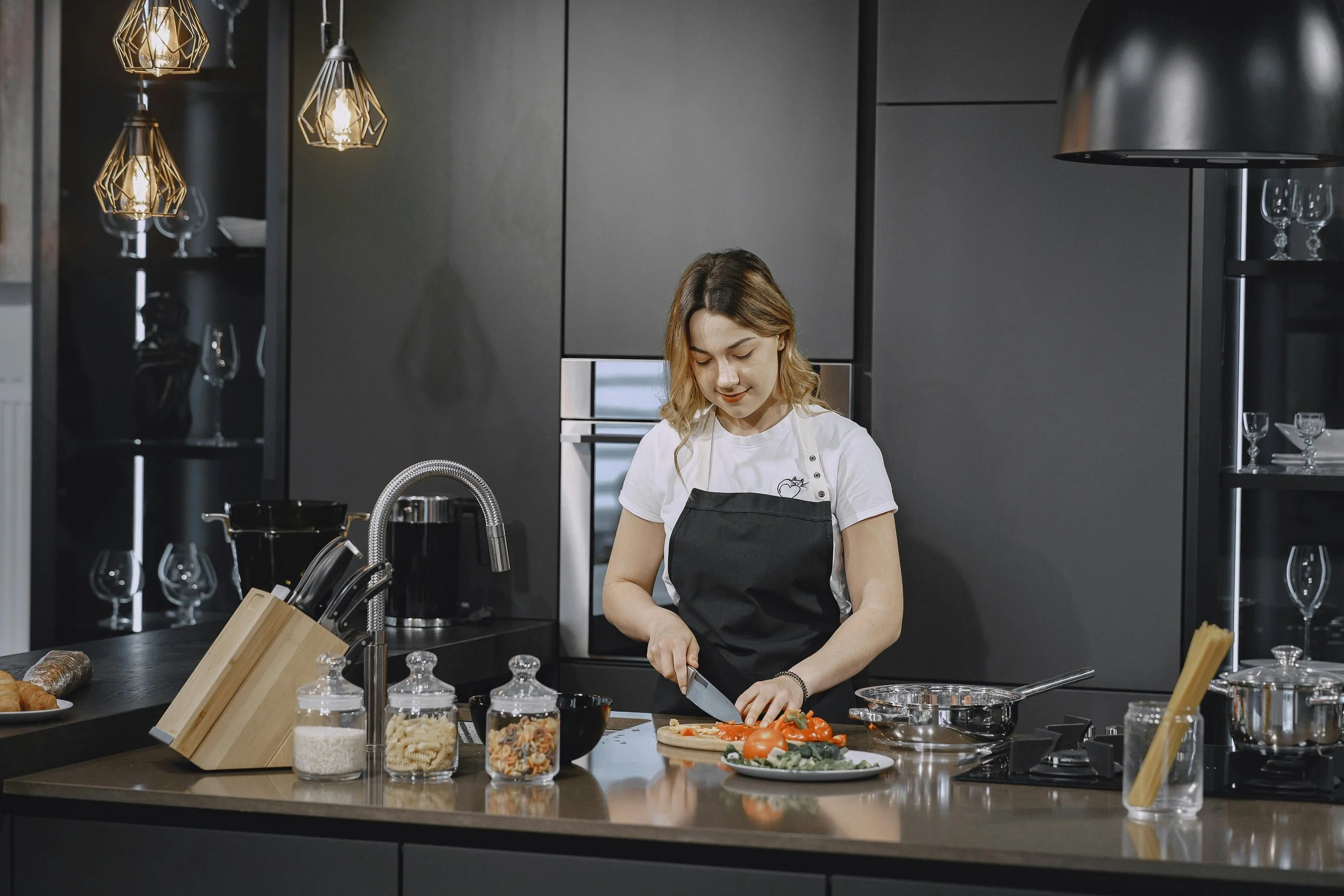
What Modern Kitchens Have Forgotten
Today, many of us cook in a world of convenience.
We have access to refrigeration, global supply chains, and an almost endless variety of ingredients.
And yet, many home cooks still experience a familiar challenge:
What do I make tonight?
This question is not always about a lack of food.
More often, it reflects a lack of structure to support today’s fast-paced lifestyle.
Without a system, cooking becomes reactive.
Without a plan, even a well-stocked kitchen can feel overwhelming and lead to waste.
This is where the lessons from historical kitchens become incredibly valuable.
Because they remind us that cooking can still be from scratch, but does not have to begin from scratch every day.

Rebuilding the Resilient Kitchen
A resilient kitchen is not built in a single afternoon, although taking a single afternoon to begin by inventorying what’s on hand is a good starting point.
It is built slowly, through small, repeatable actions. Meaning, don’t go out and buy everything to stock an ideal pantry in one week. This method is very much a “take it one bite at a time” mentality.
It begins with understanding a few key ideas:
• cook ingredients in batches
• choose ingredients that serve multiple purposes
• build meals from what is already available
• develop a rhythm rather than chasing variety
These ideas are not complicated.
But they are powerful.
When applied consistently, they transform cooking from a daily task into a manageable and even enjoyable part of life.
A Philosophy for Today
In The Organized Cook’s Pantry: Strategies for Efficiency and Flavor, I explore how thoughtful pantry organization and ingredient strategy can simplify cooking without sacrificing quality.
The goal is not to create rigid rules.
The goal is to create clarity.
When you understand your ingredients and how they work together, you spend less time wondering what to cook—and more time actually cooking.
This is the same principle that guided the kitchens we’ve studied throughout this series.
They were not elaborate.
But they were effective.
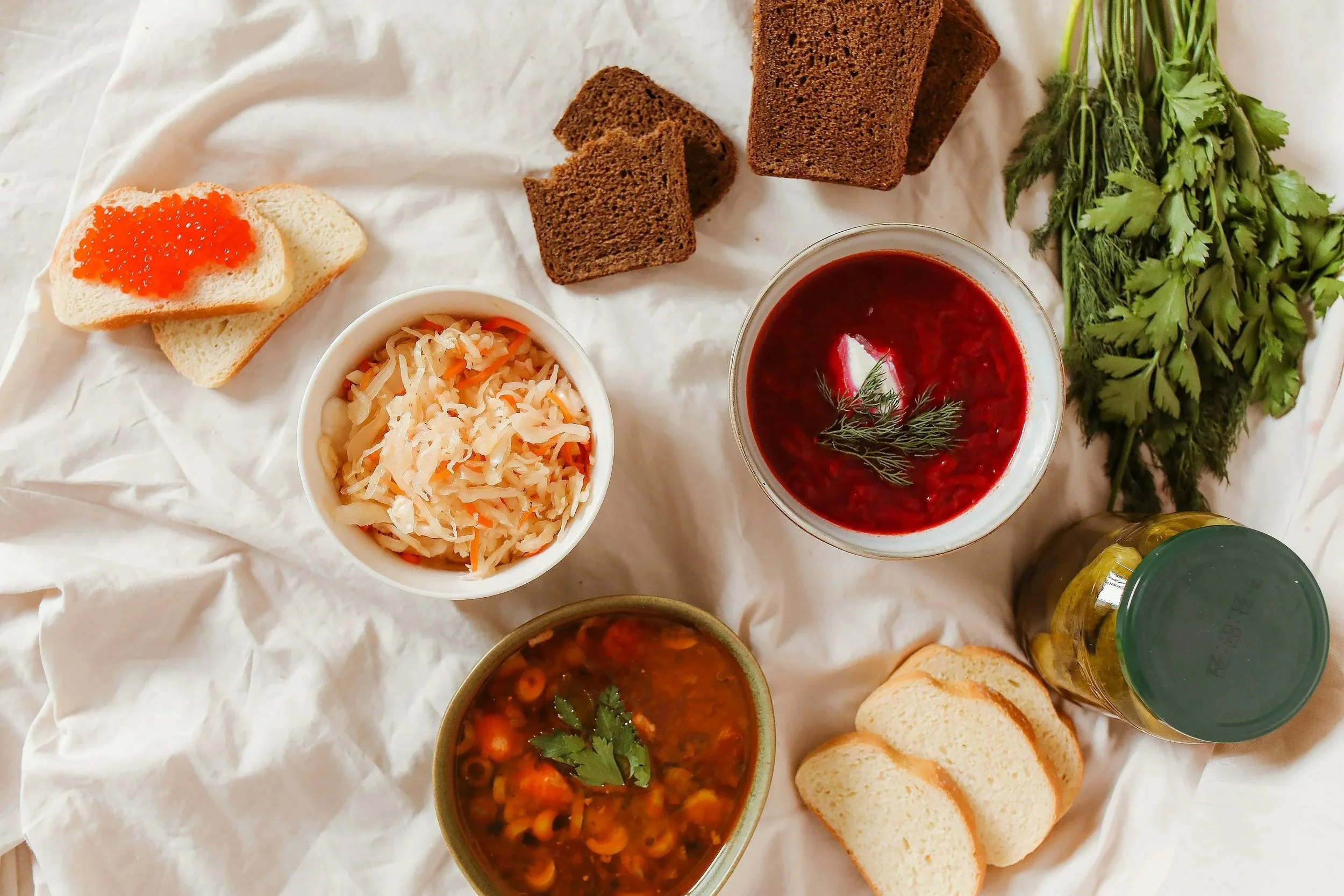
The Role of Memory and Tradition
Food is never just about nourishment.
It is also about memory.
For many readers—especially those from Generation X—some of the dishes we’ve discussed may feel familiar.
Simple soups.
Boiled vegetables.
Cabbage dishes.
Once common meals, they quietly disappeared from everyday cooking.
These foods may not always carry a sense of nostalgia.
But they do carry knowledge.
And that knowledge is worth preserving.
Looking Ahead
As we close this series, it’s worth remembering that the story of resilient cooking does not end here.
There are still many ingredients, techniques, and traditions that deserve a closer look.
Later this year, we’ll explore another chapter in this broader story—one that builds on what we’ve learned here while introducing new ideas and perspectives.
For now, the goal is simple.
Take what you’ve learned.
Apply it in your own kitchen.
Experiment.
Adjust.
And begin building a system that works for your life.

A Final Thought
The resilient kitchen is not defined by scarcity.
It is defined by awareness.
Awareness of ingredients.
Awareness of process.
Awareness of how small decisions shape daily life.
The kitchens of the past were not perfect.
But they were thoughtful.
And in many ways, that thoughtfulness is exactly what modern cooking needs.
Stay hungry, my friends.
—
Kimberly Fehler
Owner & CEO
MealScript
#MealScript #ResilientKitchen #FoodStrategy #BudgetGourmet #KitchenSystems #PantryInsurance #FrugalLiving #GreatDepressionWisdom #ResourcefulCooking #KimberlyFehler
