

Episode #13 – Dried Pasta: Casseroles, Commodities & Structure You Can Boil
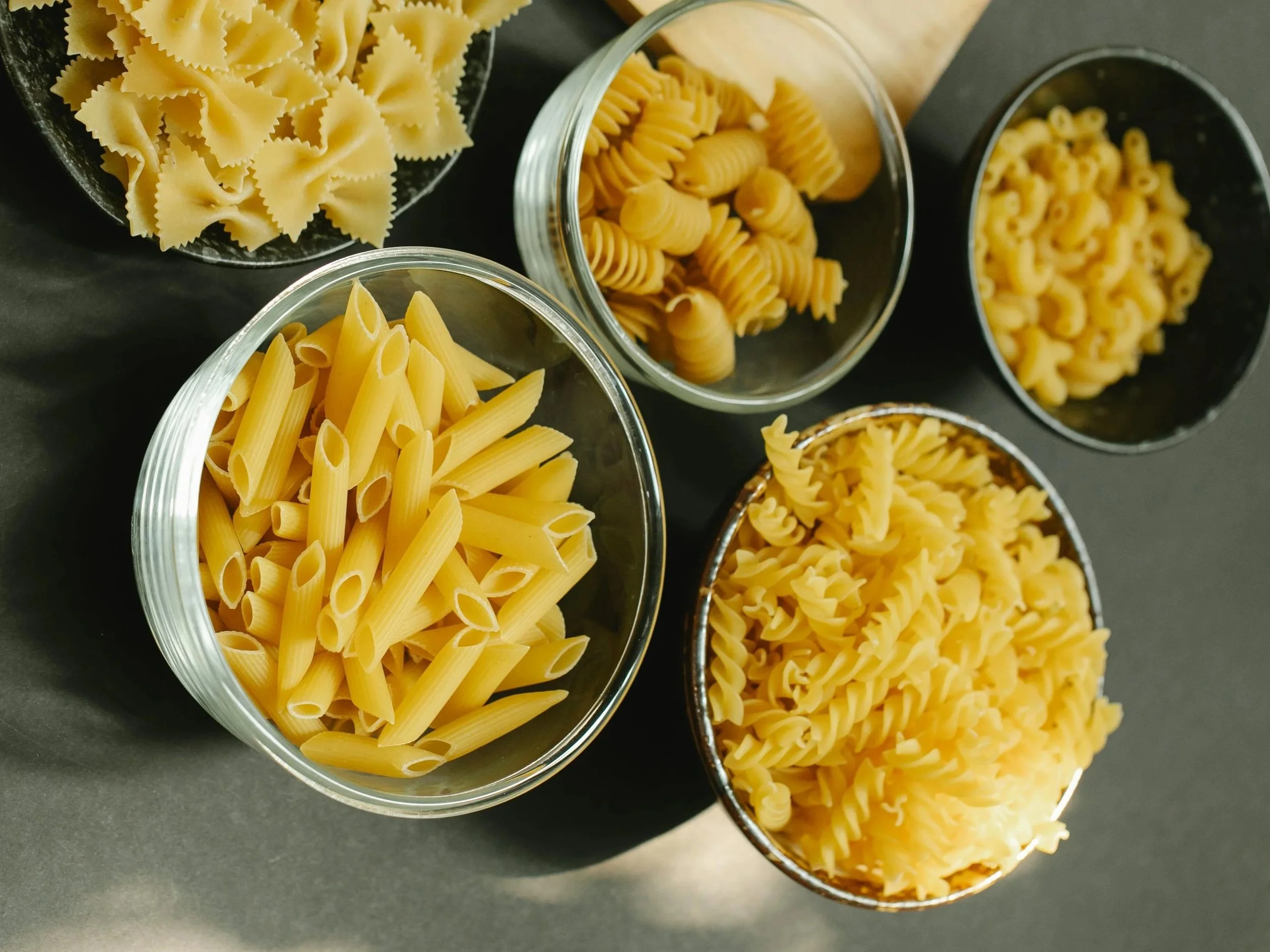
If flour is architecture, pasta is architecture pre-assembled.
During the Great Depression and especially in World War II and post-war years, dried pasta became a pantry stabilizer. It was:
Shelf-stable
Inexpensive per pound
Neutral in flavor
Compatible with small amounts of protein
Capable of feeding many
And perhaps most importantly:
It required nothing more than water and heat.
A Brief Historical Frame
Italian immigrants brought dried pasta traditions to American cities in the late 19th and early 20th centuries. By the 1920s and 1930s, macaroni and spaghetti were widely available in grocery stores.
Government Commodities & the American Pantry (1940s–1980s)
After World War II, federal food programs expanded significantly. What began as wartime ration management evolved into long-term agricultural stabilization efforts. The government purchased surplus agricultural products — dairy, wheat, corn, powdered milk, processed cheese, canned meats — to support farm prices and distribute food to low-income households.
By the 1960s, 70s, and into the 1980s, “government commodities” became a regular presence in many American kitchens.
Boxes and blocks that many remember included:
Processed cheese (often in large bricks) – Sometimes my grandparents got red wax cheddar cheese… Anyone else?
Powdered milk
Peanut butter
Canned meats
Dry beans
Rice
Flour
Cornmeal
For farming families, these programs stabilized crop prices. For struggling households, they provided predictable staples.
And pasta?
Pasta paired seamlessly with commodity ingredients.
Macaroni + processed cheese became baked mac and cheese.
Noodles + canned meat + condensed soup became a casserole.
Spaghetti + commodity beef became a week’s worth of dinners.
These weren’t novelty meals. They were systems. They turned surplus into structure.
For many Gen-X children, casserole wasn’t occasional.
It was Tuesday… Wednesday… Thursday… and please sweet baby Jesus let there be hamburgers on Friday…
The Casserole Era: Efficiency, Scale & Predictability
The post-war casserole boom (1950s–1970s) wasn’t just about convenience. It was about scale.
Several cultural forces converged:
More women were entering the workforce
Increased suburbanization
Expansion of grocery distribution
The rise of branded canned soups and processed dairy
Church potlucks and community suppers
Casseroles solved multiple problems at once:
They stretched protein.
They fed groups.
They reheated well.
They transported easily.
They standardized flavor.
One can of condensed soup could bind a pound of pasta and a modest portion of meat into something cohesive. Breadcrumb toppings added texture. Processed cheese melted smoothly and predictably.
It was engineered practicality.
And while modern food culture sometimes critiques the era for over-processing, it’s important to remember: these dishes were responses to
economic pressure, labor shifts, and agricultural surplus.
They represented stability.
Was every casserole elegant? No.
Was it efficient? Absolutely.
Basic Preparations: The Hard-Times Classics
1. Macaroni with Tomatoes & Butter
1 lb elbow macaroni
1 can tomatoes
2 Tbsp butter
Salt & pepper
Simple. Filling. Stretchable.
Cost Breakdown
Pasta: $1.20
Canned tomatoes: $1.00
Butter: $0.40
Total: ~$2.60
Serves 6
Cost per serving: ~$0.43
2. Tuna Noodle Casserole (Basic)
12 oz egg noodles
1 can tuna
1 can condensed cream soup
½ cup milk
Salt & pepper
Mixed and baked.
Cost Breakdown
Noodles: $1.50
Tuna: $1.20
Soup: $1.00
Milk: $0.40
Total: ~$4.10
Serves 6
Cost per serving: ~$0.68
3. Pasta & Beans (Pasta e Fagioli-Inspired)
8 oz small pasta
1 can white beans
1 onion
Garlic
Broth or water
Simmer until tender.
Grain + legume pairing again.
Complete protein structure.
High satiety.
Cost Breakdown
Pasta: $0.80
Beans: $1.00
Onion/garlic: $0.60
Broth: $0.60
Total: ~$3.00
Serves 6
Cost per serving: ~$0.50
Why Pasta Endures
Dried pasta:
Stores for years if kept dry
Multiplies protein portions
Accepts nearly any sauce
Adapts to soup, skillet, or casserole
It is flexible architecture.
And when grocery budgets tighten, flexibility wins.
The Organized Pantry Connection
Pasta deserves:
Airtight containers (to prevent pantry pests)
Clear labeling
Rotation by date
Variety without redundancy
You don’t need eight pasta shapes.
You need strategic shapes:
Small (for soup)
Medium (for casseroles)
Long (for skillet meals)
Structure reduces waste.
Reflection
For some of us, pasta carries memories of:
Casserole dishes bubbling under fluorescent kitchen lights
Crunchy breadcrumb toppings
Processed cheese
Weeknight predictability
It wasn’t glamorous.
But it fed us.
Likely still feeds us… I have a favorite that’s on my home-cooking comfort list.
And when stripped back to its basics, pasta remains one of the most cost-effective, flexible pantry tools available.
Next, in Episode #14, we upgrade it.
Because garlic, olive oil, and restraint can turn commodity pasta into something insanely elegant and perfectly doable at home. And not all of them call for garlic…
Until we meet for Episode 14– Happy Cooking!
✌️💜🍫
Kimberly
PS: We always love seeing what you have tried and are experimenting with. Please take pictures, post them to your socials, and tag us!
#MealScript #PantryStabilizer #CasseroleEra #BudgetPasta #GreatDepressionCooking #CommodityCooking #FrugalWellness #KitchenArchitecture #OrganizedPantry #StrategicCooking
