

Episode #14 – Dried Pasta, Refined: Structure with Restraint
If Episode #13 reminded us that pasta-fed families through ration books, commodity boxes, and church potlucks, Episode #14 asks a quieter question:
What happens when we keep the structure — but refine the method?
Dried pasta has never been the problem.
The problem was overbuilding.
Heavy sauces.
Too much dairy.
Too much binder.
Too little contrast.
Pasta is architecture you can boil.
Refinement is knowing when to stop.
The Upgrade Framework
Upgraded pasta rests on five principles:
Salt the water properly.
Build flavor in the pan — not just the sauce.
Use pasta water as a thickener.
Add acid for balance.
Finish with texture.
None of these requires expensive ingredients.
They require awareness.
Upgrade Technique #1: Salt Like It Matters
Why? Because it does matter.
I grew up believing that you don’t salt three quarts of pasta water with more than 1 tablespoon of salt. BOY WAS I TAKEN ABACK WHEN I GOT TO CULINARY SCHOOL!
The first time we were put through a side-by-side comparison, I shut my mouth.
Pasta water should taste lightly seasoned — not bland.
Salt is structure. It penetrates the pasta itself, not just the sauce.
This single step eliminates the need to overcompensate later. (sauce, cheese, from the salt shaker on the table).
PLEASE NOTE: If you are on a limited salt diet for health purposes– Cool! Carry on!
Upgrade Technique #2: Emulsify, Don’t Drown
Instead of pouring sauce over drained pasta, build the sauce in the pan and add pasta directly into it with a splash of reserved pasta water.
Starch + fat + heat = emulsified sauce.
That’s restaurant-level technique using pantry ingredients.
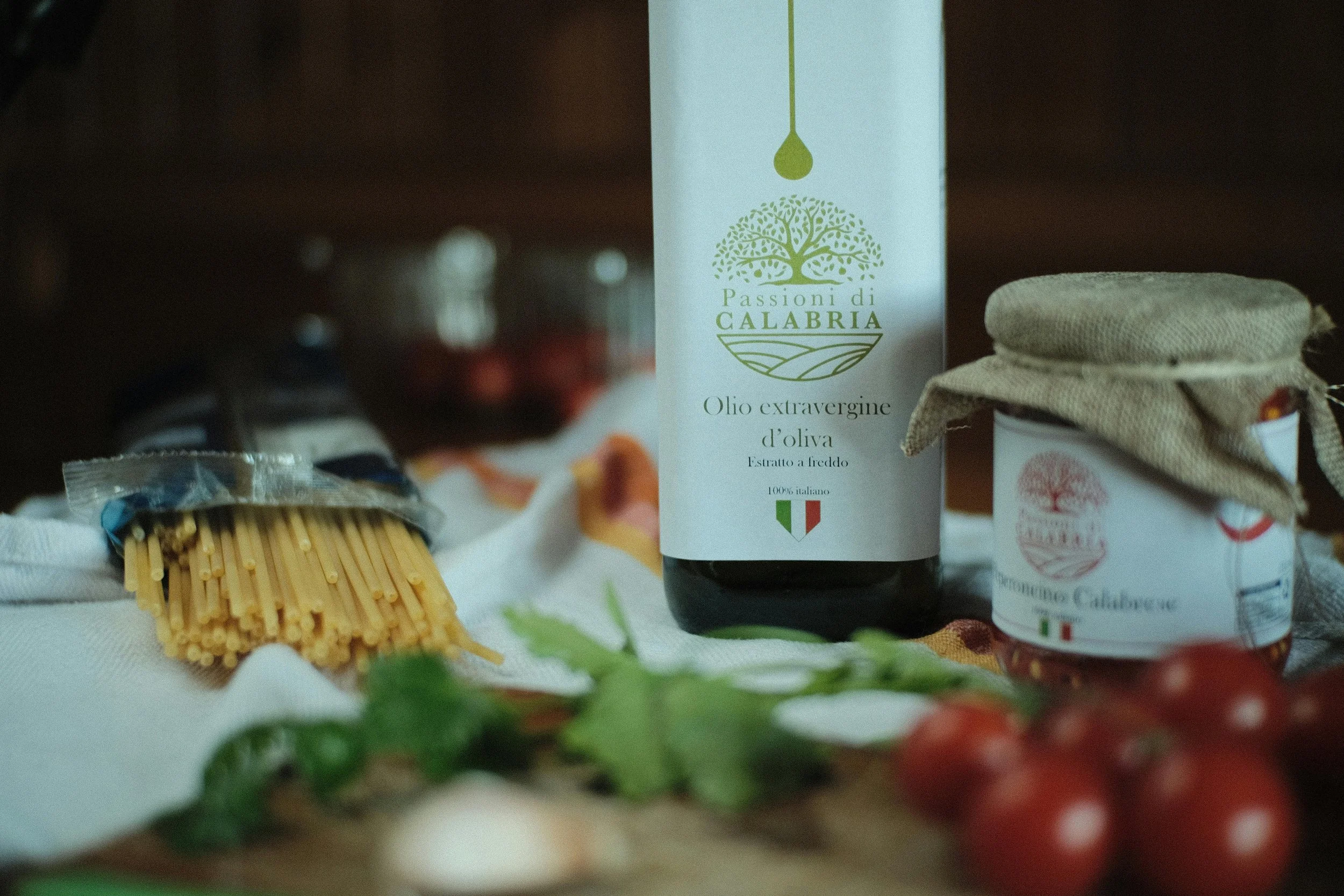
Recipe 1: Garlic & Olive Oil Pasta with Cabbage
12 oz spaghetti
4 cloves garlic, thinly sliced
3 Tbsp olive oil
2 cups shredded cabbage
Red pepper flakes
Salt
Splash lemon juice
Sauté garlic gently in oil.
Add cabbage and cook until tender.
Toss in cooked pasta and a splash of pasta water.
Finish with lemon.
Why It Works
Cabbage adds volume.
Garlic adds depth.
Oil emulsifies with starch.
Lemon brightens.
Cost Breakdown
Pasta: $1.20
Cabbage: $1.00
Garlic/oil/lemon: $1.00
Total: ~$3.20
Serves 4–5
Cost per serving: ~$0.64–$0.80
Light. Affordable. Structured.
Upgrade Technique #3: Protein by Proportion
Instead of 1 pound of meat, use ½ pound — and let the pasta carry the rest.
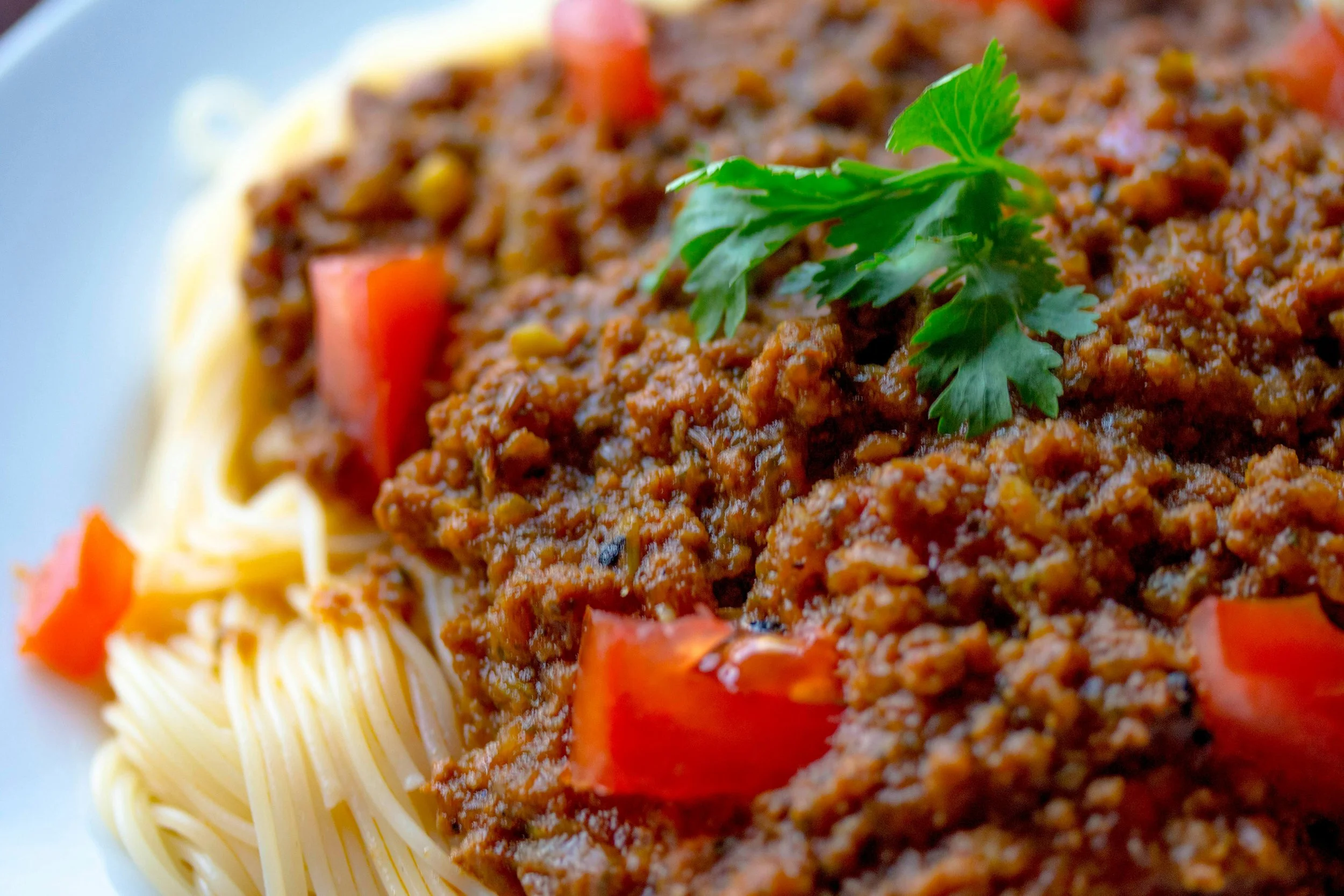
Recipe 2: Turkey & Lentil Bolognese Stretch
8 oz pasta
½ lb ground turkey
½ cup lentils
1 can crushed tomatoes
Onion, garlic
Olive oil
Brown turkey.
Add lentils and tomatoes.
Simmer until tender.
Toss with pasta and pasta water.
Why It Works
Lentils extend protein.
Tomatoes build body.
Pasta absorbs flavor.
Cost Breakdown
Pasta: $0.80
Turkey: $2.25
Lentils: $0.60
Tomatoes: $1.20
Onion/garlic/oil: $0.75
Total: ~$5.60
Serves 6
Cost per serving: ~$0.93
Hearty. Balanced. Economical.
Upgrade Technique #4: Texture as Luxury
Crunch changes perception.
Toasted breadcrumbs cost pennies but add sophistication.
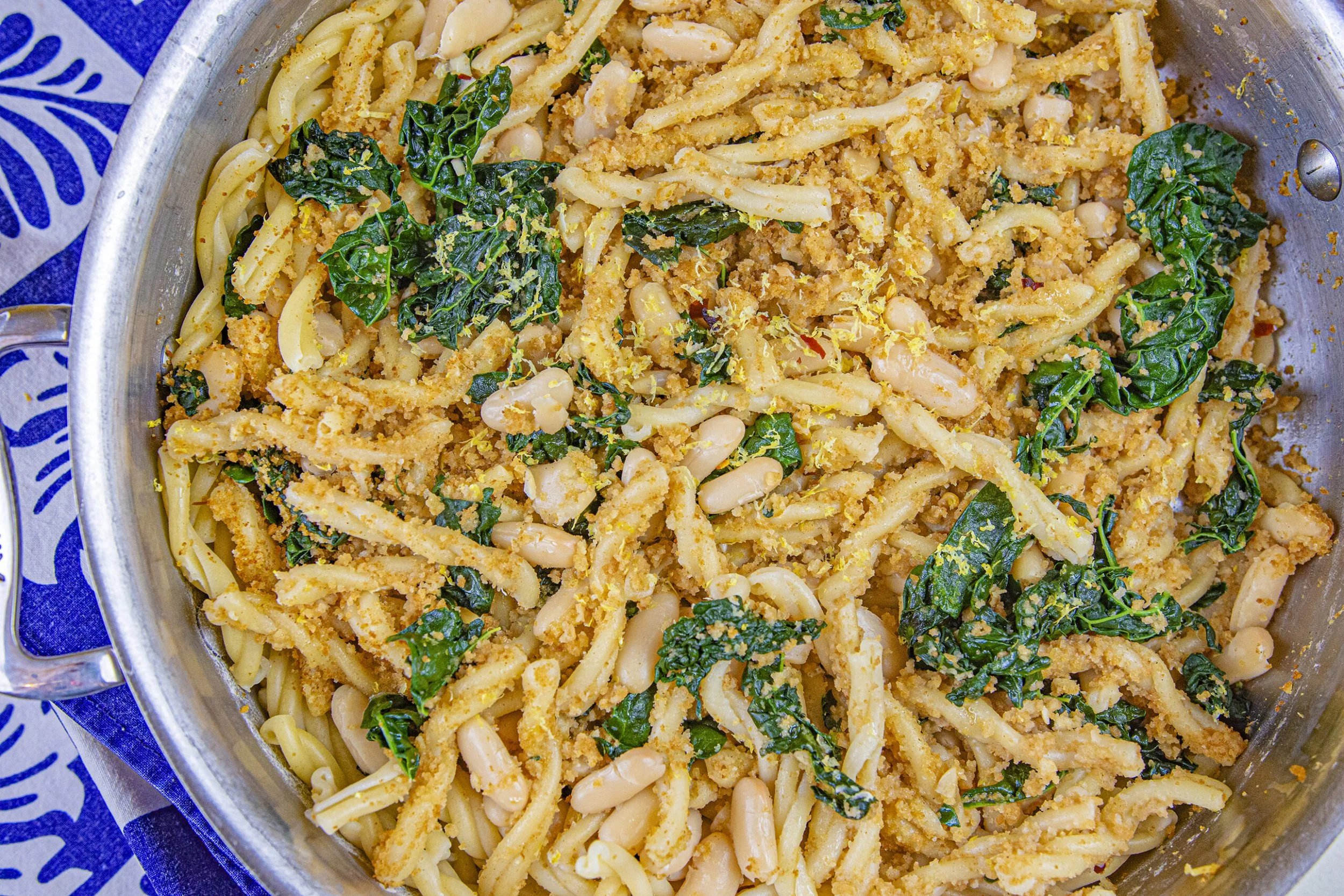
Image source: https://laurasvegantable.com
Recipe 3: White Beans, Rosemary & Toasted Crumb Pasta
8 oz small pasta
1 can white beans
2 Tbsp olive oil
1 clove garlic
1 tsp rosemary
¼ cup breadcrumbs
Toast breadcrumbs in oil until golden.
Sauté garlic and rosemary.
Add beans.
Toss with pasta and pasta water.
Finish with crumbs.
Cost Breakdown
Pasta: $0.80
Beans: $1.00
Breadcrumbs: $0.40
Oil/herbs: $0.80
Total: ~$3.00
Serves 4–5
Cost per serving: ~$0.60–$0.75
Crunch without cheese.
Flavor without heaviness.
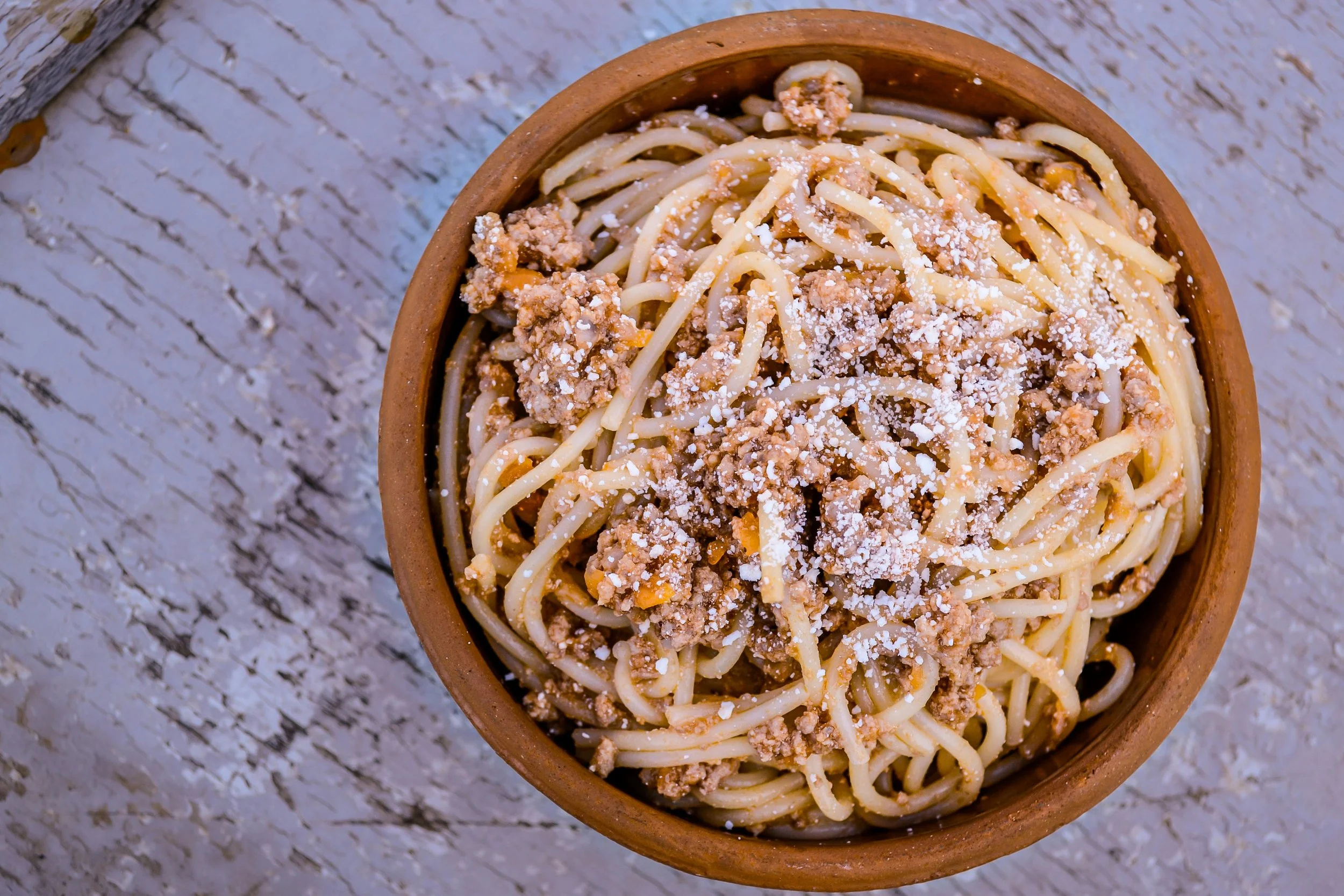
Recipe #4: Spaghetti with Breadcrumbs like an Italian
One of my very favorite classic Italian pasta recipes is so simple but so incredibly delicious. Spaghetti with Breadcrumbs and a fresh lettuce salad is a beautiful dinner.
For the sake of time and space, I am going to direct you to Vincenzo’s Plate blog. This recipe is the exact way I was taught to make this dish. It has great instructions and even a YouTube video. Check him out!
From Casserole to Clean-Up: How Pasta Survived the Food Snob Era
By the late 1990s and early 2000s, something curious happened in American food culture.
Casseroles — once symbols of efficiency and abundance — became shorthand for “processed,” “dated,” or “unsophisticated.” The very dishes that had carried families through rationing, economic swings, and tight schedules were suddenly the punchline.
Condensed soups were mocked.
Processed cheese was scorned.
Breadcrumb toppings became nostalgic kitsch.
But pasta itself never disappeared.
It simply evolved.
While mid-century casseroles relied on:
Condensed cream soups
Processed cheese
Large-format baking dishes
The next wave leaned into:
Olive oil instead of cream sauce
Garlic instead of soup base
Fresh herbs instead of powdered mixes
Acid (lemon, vinegar) for brightness
Simpler ingredient lists
The structure stayed the same.
Dried pasta remained shelf-stable.
It still multiplied modest protein.
It still fed many.
The difference was restraint.
Instead of binding everything together in a baking dish, pasta became skillet-forward, lighter, and more ingredient-driven.
But make no mistake — the elegance of a simple garlic-and-olive-oil pasta rests on the same foundation as a 1970s tuna noodle casserole:
Starch.
Fat.
Salt.
Heat.
Volume.
One is not morally superior to the other.
One reflects its era’s priorities.
Pasta survived the food snob era because it was never the problem.
Technique was.
And when technique improves, the ingredient shines.
Quick Circle-Back to the Old School Casserole
Nostalgia food is not bad! It doesn’t have to be your “guilty pleasure” meal that you sneak to the store and buy just enough canned soup to make the recipe. It might take a little more time, but with a little technique, you can upgrade your nana’s go-to potluck casserole! I encourage you to take a little time and create something beautiful for the next generation.
The Organized Pantry Connection
Upgraded pasta depends on visibility:
Olive oil accessible
Garlic on hand
Canned tomatoes rotated
Beans stocked
Breadcrumbs saved from stale bread
You don’t need more ingredients.
You need fewer, used well.
Inside The Organized Cook’s Pantry, the goal is not abundance.
It is leverage.
Pasta rewards leverage.
Reflection
For many of us, pasta meant:
Bubbling casserole dishes
Condensed soup
Processed cheese
Weeknight predictability
But when stripped down to salt, starch, fat, and heat, pasta reveals something else:
It is not heavy.
It is not dated.
It is foundational.
And foundation is not glamorous.
It is dependable.
The Upgraded Pasta Framework (Quick Reference)
When building any upgraded pasta dish:
Choose shape intentionally (long, small, or structured).
Salt water properly.
Build flavor in oil first.
Use pasta water to emulsify.
Add acid.
Finish with texture.
If it feels flat, add acid.
If it feels heavy, reduce fat.
If it feels thin, add pasta water.
If it feels dull, add salt.
Structure solves most problems.
Thanks for joining me this week. I hope that this week’s episodes have inspired you to make a simple, simply delicious meal from your pantry.
✌️💜🍫
Kimberly
#MealScript #PastaRefined #BudgetGourmet #KitchenStrategy #PantryLeverage #FrugalWellness #CulinaryTechnique #StretchBaking #ModernPantry #ChefAtHome
