

When You Don’t Feel Like Cooking: A Practical Approach to Planning for Real-Life Evenings

There are days when cooking feels manageable.
And then there are days when it simply doesn’t.
Not because you lack ingredients.
Not because you don’t know what to make.
But because:
• it’s too hot
• your energy is low
• your appetite has quietly disappeared
• and the thought of standing in the kitchen feels like more than you’re willing to take on
And that’s okay!
Summer has a way of bringing more of those days—especially when temperatures rise and daily routines shift.
And yet, most meal planning systems and summer recipes assume that every evening begins the same way:
You’re ready to cook.
You’re motivated.
You have an appetite.
Real life rarely works that way.
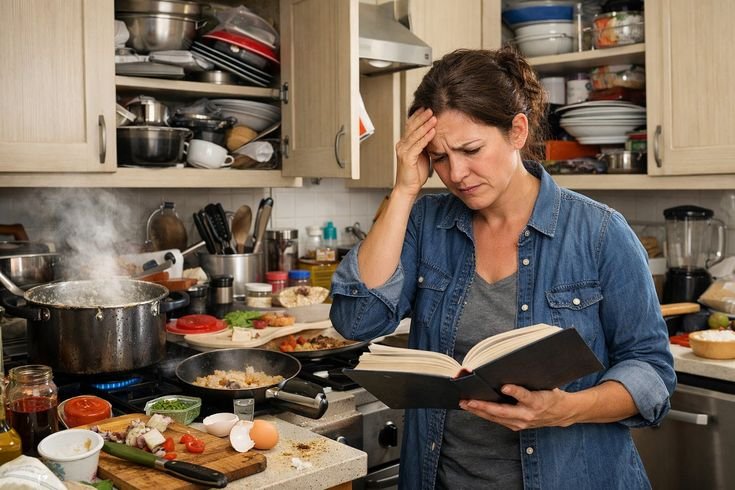
Planning for the Evenings That Don’t Go as Planned
A well-functioning kitchen—especially one designed around a working pantry system and an intentionally stocked refrigerator—doesn’t just support your best days.
It supports your most unmotivated ones.
Instead of asking:
What should I cook tonight?
A more useful question is:
What have I prepared—or can I keep on hand—for the days when I don’t feel like cooking at all?
This is where your meal planning strategy, pantry organization, and refrigerator systems quietly do their most important work.
Because when those systems are built with real life in mind, they allow you to:
• eat well without starting from scratch
• avoid unnecessary stress
• reduce last-minute decision-making
• rely less on constantly researching recipes
• and still feel taken care of

A Familiar Summer Reality
I was reminded of this recently while thinking about my dad.
He was a farmer and owned an agricultural supply business—long days, early mornings, and plenty of time spent outdoors in the Texas heat.
And like many people who spend their days working in that environment, he didn’t have much of an appetite by the time evening came around.
There were plenty of summer nights when his dinner of choice was simple:
• a cold beer
• slices of cheese
• saltine crackers
• fresh tomatoes
• onions straight from the garden
It wasn’t elaborate.
It wasn’t planned in the traditional sense.
But it worked.
Although my dad has been gone for nearly a decade, that meal still finds its way to my table.
Not out of nostalgia, but because like him, I’ve noticed that once the heat of the day settles in, my appetite tends to check out somewhere around 3 p.m.—a common experience during hot weather and something many people don’t account for when planning meals.
And on those evenings, something simple—something already within reach—is often exactly what’s needed.
Building a System That Supports Those Moments
This is where planning becomes less about structure—and more about support.
A well-prepared kitchen includes options for the days when:
• you don’t feel like cooking
• you don’t want a heavy meal
• you need something simple and immediate
Not as a fallback.
But as part of a thoughtfully designed meal planning system—one that reflects real-life behavior, seasonal appetite shifts, and the need for flexibility in modern kitchens.
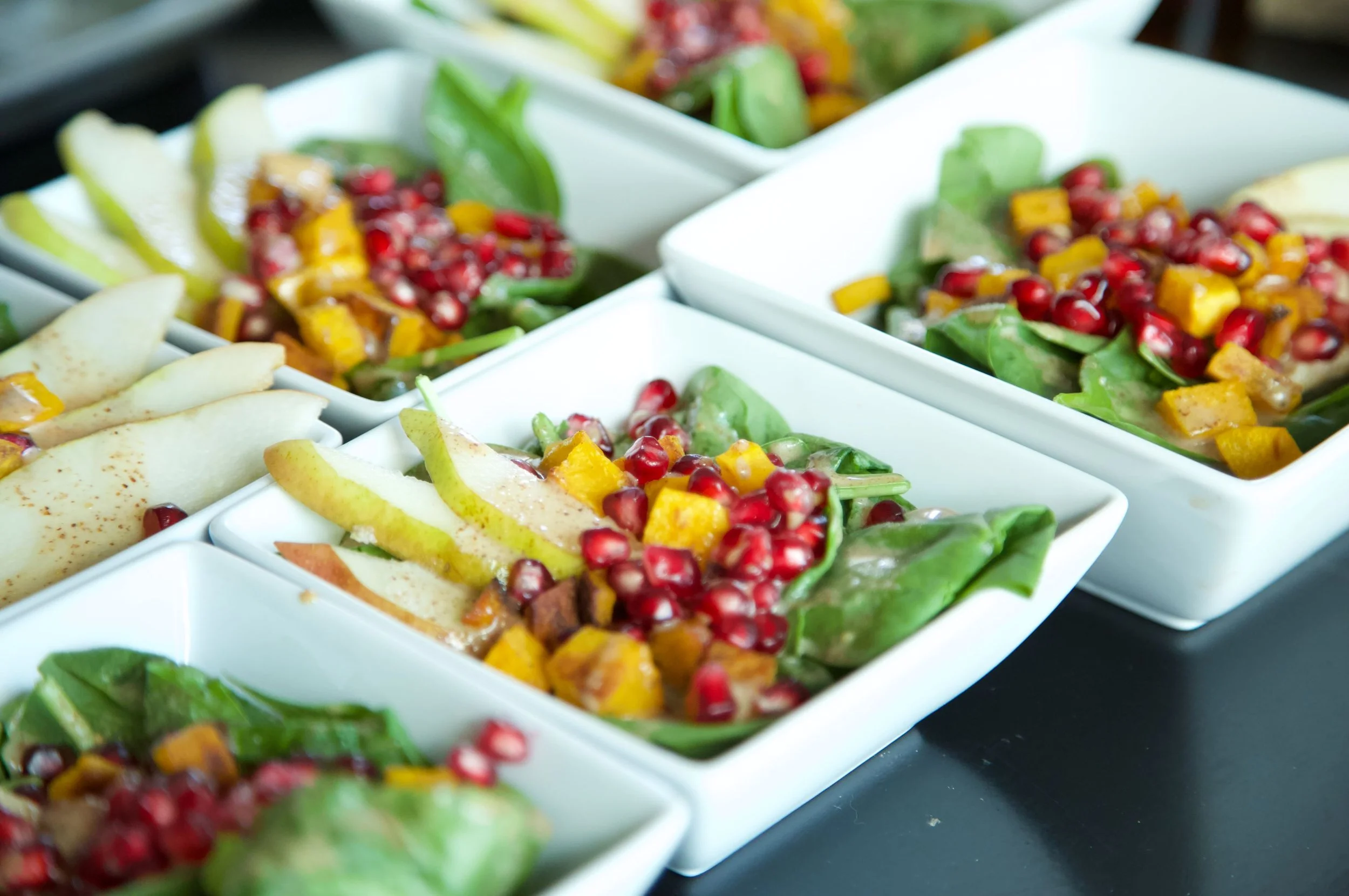
Three No-Cook Meal Ideas That Actually Work
These are not recipes.
They are repeatable meal combinations you can rely on—built from ingredients that can be kept on hand and used without effort.
They also reduce the need to search for new no-cook meals, easy summer dinners, or last-minute meal ideas.
1. The “Garden Plate”
• sliced tomatoes
• cucumbers
• fresh herbs
• cheese
• crackers or bread
• olive oil or a simple sprinkle of salt
Optional:
• add boiled eggs or hummus if you want something more substantial
This is an intentionally lighter option to a charcuterie board. While cured meats are ever so tasty, the fat can sit like a rock after a hot day of doing life.
Need a meat protein that isn’t rich or sodium-heavy? Beautiful thin slices of grilled chicken breast or steak work well here.
2. The Protein & Crunch Plate
• tuna or chicken (pre-cooked or canned)
• crackers or toasted bread
• sliced vegetables
• a simple spread or dressing
This works well when you need something slightly more filling—but still minimal.
3. The Chilled Bowl
• leftover rice, farro, or quinoa
• chopped vegetables
• beans or chickpeas
• olive oil, lemon, or vinaigrette
This is one of the easiest ways to turn prepared components into a complete meal—without turning on the stove or relying on complicated summer recipes.
Each of these options:
• requires little to no effort
• uses ingredients that can be planned ahead
• supports efficient meal planning
• reduces time spent researching recipes
• supports consistency, even on low-energy days
A Note on Flexibility
Let’s be honest.
There will be days when even assembling something simple feels like too much.
And sometimes, what you really want is a familiar, satisfying trip through your favorite drive-thru—a small indulgence that feels comforting and easy.
That, too, is part of real life.
And there is no need to overcorrect for it.
The goal is not perfection.
It is having options.
A Different Kind of Preparedness
When your kitchen is built to support both:
• the days when you feel like cooking
• and the days when you absolutely do not
something shifts.
You stop relying on willpower.
You stop expecting consistency from your energy levels.
And instead, you create an environment that meets you where you are—whether that’s preparing a simple meal at home or choosing convenience without guilt.
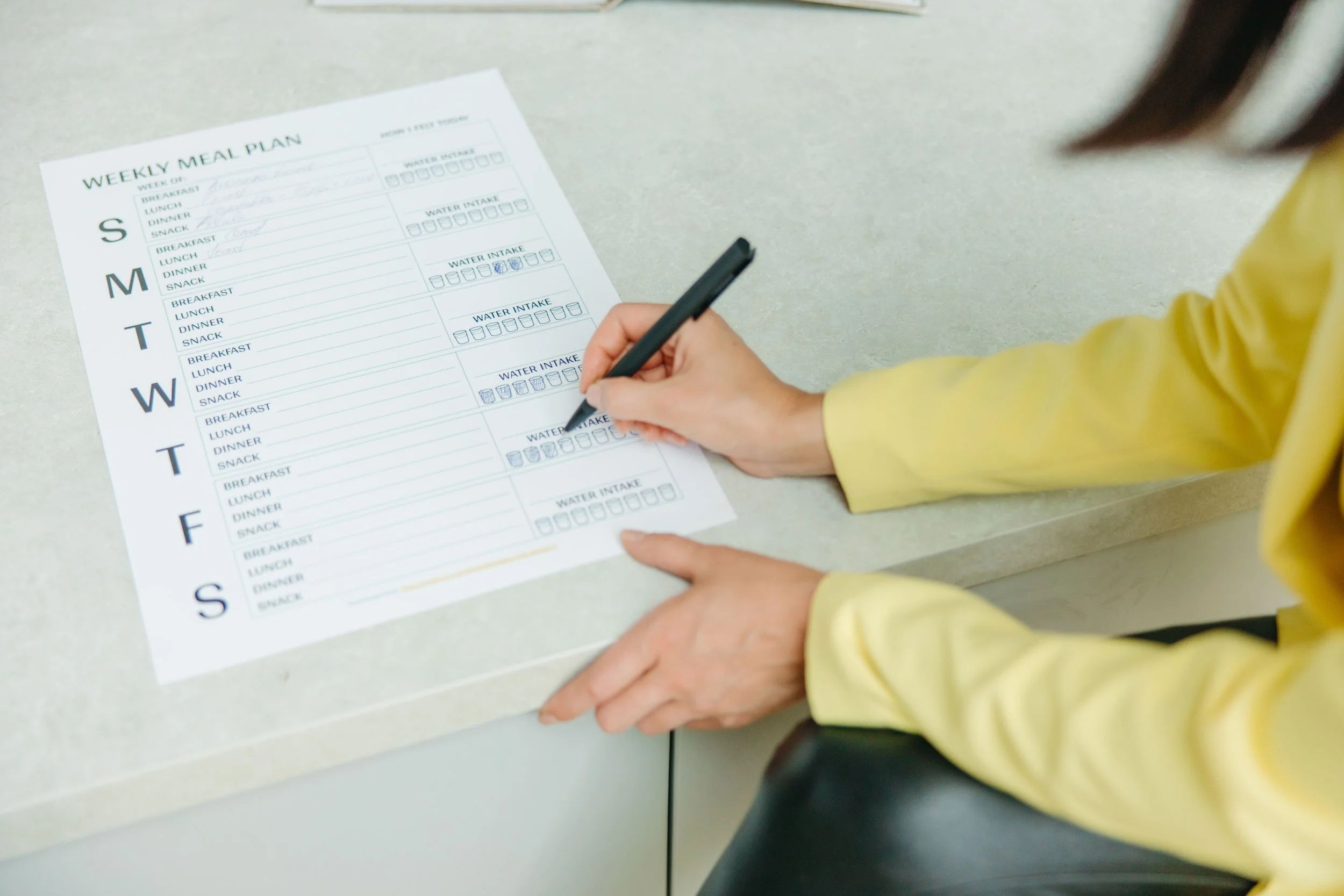
A Quiet Layer of Support
For some, building this kind of kitchen system becomes something they’d prefer not to manage alone.
That’s part of the reason I created MealScript, a bespoke meal planning concierge service designed to support real-life kitchens—not ideal ones.
It’s built around the same principles we’ve explored here:
• reducing decision fatigue
• planning meals that reflect your actual appetite and schedule
• creating systems that work even on the days when you don’t feel like cooking
For some clients, that means fully structured weekly plans.
For others, it simply means having a thoughtful framework in place—so that even the most unmotivated evenings are already accounted for.
It’s not about doing more in the kitchen.
It’s about having the right level of support behind it.
A Final Thought
A well-run kitchen does not perform perfectly every day.
It continues to function—even when you don’t feel like it.
And when you plan for those moments—quietly, intentionally, without pressure—
You create a system that supports not just how you cook,
But how you live.
Stay hungry, my friends.
—
Kimberly Fehler
Owner & CEO
MealScript
#NoCookMeals #SummerMealPlanning #DinnerDread #EasySummerDinners #MealScript #DecisionFatigue #PantryOrganization #KitchenSystems #HealthySummerRecipes #RealLifeCooking
