

Episode #8 – Cabbage Reinforced: Flavor, Protein & Modern Strength and a Little Fermentation Knowledge
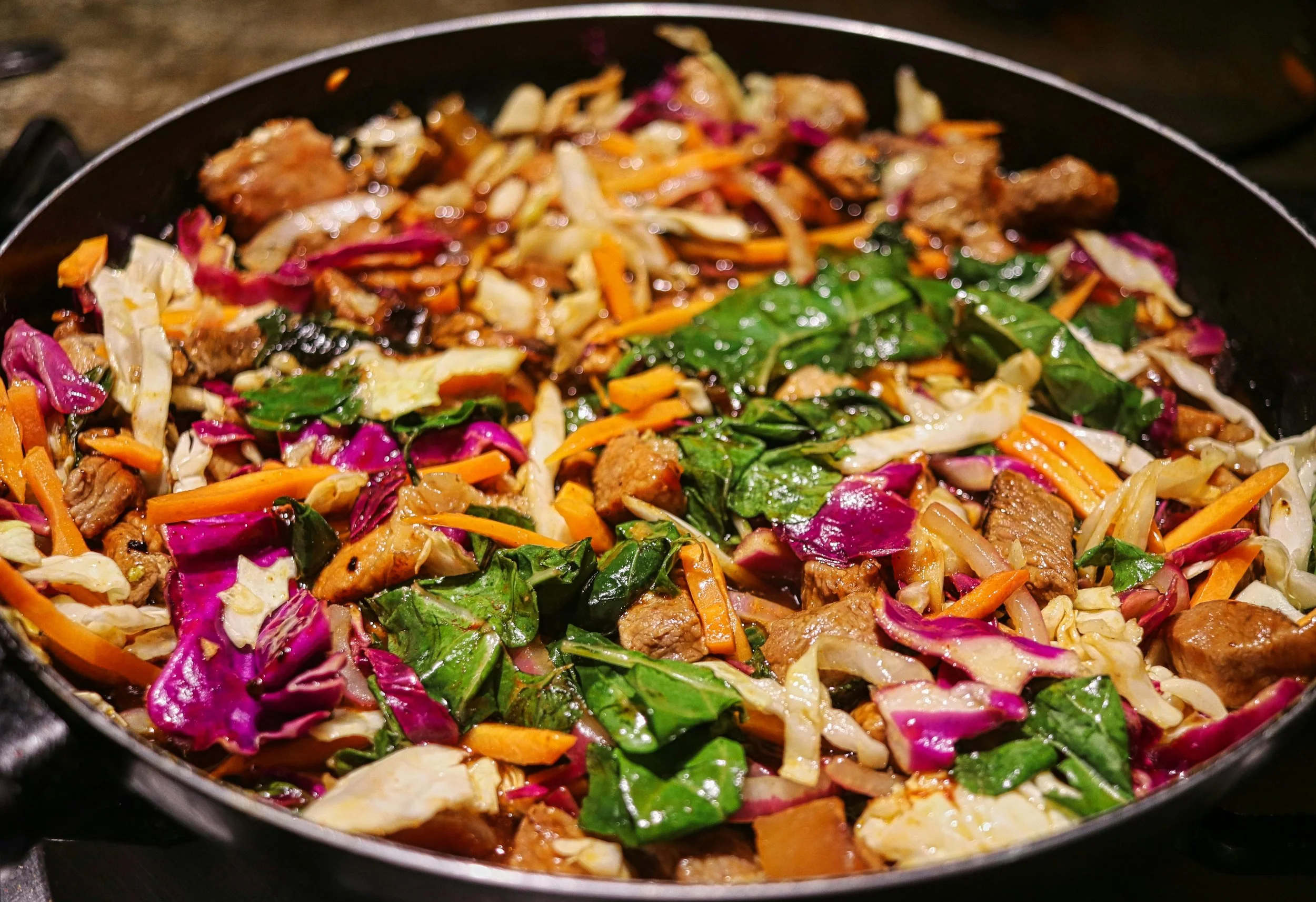
Now we layer in More Flavor!
We keep cabbage at the center, but we add protein strategically — without blowing the budget.
Because upgraded does not mean extravagant.
It means intentional.
Affordable Protein Additions
Ground beef (used sparingly)
Diced turkey thigh
Lentils (for hybrid protein strategy)
Bone broth instead of water
The key is proportion.
Cabbage remains the volume driver.
1. Upgraded Cabbage & Noodles with Caraway & Garlic
½ head cabbage
8 oz noodles
1 clove garlic
½ tsp caraway seeds
2 Tbsp butter or oil
Optional: ¼ lb ground beef (browned and drained)
Caraway deepens flavor. Garlic adds antimicrobial support.
Cost Breakdown (Without Meat)
~$2.75 total
~$0.55 per serving
With ¼ lb Ground Beef
Add ~$1.25
New total: ~$4.00
~$0.80–$1.00 per serving
2. Fortified Cabbage Soup (Ground Beef or Turkey Thigh)
1 lb ground beef OR 1 lb diced turkey thigh
1 head cabbage
2 carrots
1 onion
2 potatoes
Garlic
Thyme
Bay leaf
Brown meat first. Build soup over it.
The cabbage absorbs flavor. The meat stretches across 6–8 servings.
Cost Breakdown (Ground Beef Version)
Ground beef (1 lb): $4.50
Cabbage: $2.50
Vegetables: $2.00
Seasonings: $0.30
Total: ~$9.30
Serves 8
Cost per serving: ~$1.16
Turkey Thigh Version
Turkey thigh (1 lb): ~$3.50
Total: ~$8.30
Cost per serving: ~$1.04
Still under $1.20 per bowl for a protein-rich, fiber-dense, winter-ready meal.
3. Cabbage, Lentil & Beef Hybrid Soup (Stretch Strategy)
½ lb ground beef
½ cup lentils
1 head cabbage
Carrots, onion, garlic
Cumin + thyme
This reduces meat cost while maintaining protein.
Total: ~$7.00
Serves 8
Cost per serving: ~$0.87
That’s strategic cooking.

Wellness-Focused Flavor Layering
Add:
Thyme (immune support)
Garlic (antimicrobial)
Bay leaf (digestive aid)
Black pepper (enhances nutrient absorption)
Apple cider vinegar (brightens + supports digestion)
These cost pennies per serving when your pantry is organized.
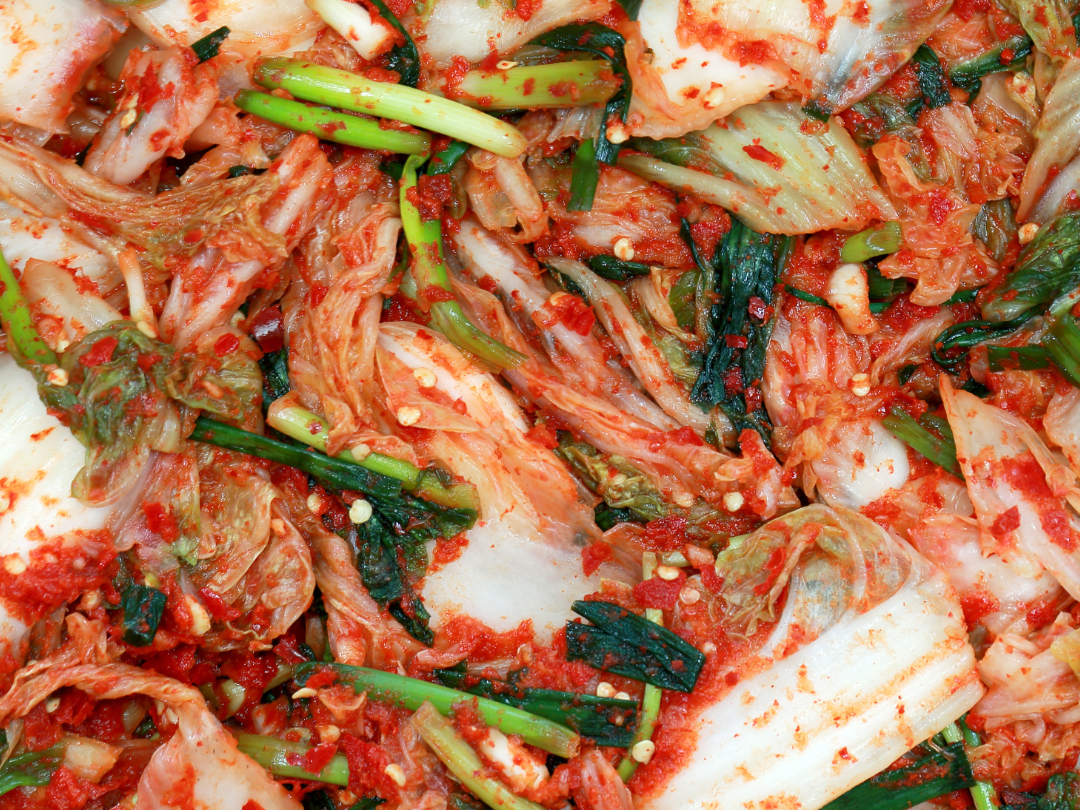
A Brief Tour: Sauerkraut, Kimchi & the Science of Survival
Long before refrigeration, long before canning factories, long before “probiotics” became a wellness buzzword, people understood one simple truth:
If you don’t preserve food, you don’t eat in winter.
And cabbage? Cabbage was particularly cooperative.
Sauerkraut: Europe’s Winter Insurance Policy
The word sauerkraut simply means “sour cabbage” in German. But the technique predates Germany by centuries. Fermenting cabbage likely traveled along trade routes from China to Eastern Europe, eventually becoming central to Germanic and Slavic food traditions.
The method was beautifully simple:
Shred cabbage.
Add salt.
Press tightly into a crock.
Wait.
Salt draws moisture from the cabbage. Naturally occurring lactic acid bacteria — already present on the leaves — begin converting sugars into lactic acid. That acid preserves the cabbage, creating an environment hostile to harmful microbes.
No vinegar required. No heat. No electricity.
Just salt, time, and invisible bacterial teamwork.
By the 1700s, sauerkraut was standard fare on long sea voyages. Captain James Cook famously carried barrels of it to prevent scurvy among sailors because fermented cabbage retained vitamin C when fresh produce did not. It was one of the earliest practical demonstrations of nutrition science — long before anyone knew what a vitamin was.
During the Great Depression and WWII, sauerkraut continued to serve as a winter staple. It stored for months, required minimal ingredients, and delivered flavor when pantries were sparse.
Sharp. Salty. Alive.
Kimchi: Fermentation with Fire
Across the globe in Korea, cabbage took a different but equally strategic turn.
Kimchi — traditionally made with Napa cabbage — has been a cornerstone of Korean cuisine for over a thousand years. While recipes vary by region and season, the foundation remains the same:
Salted cabbage.
Chili pepper.
Garlic.
Ginger.
Fermentation.
Unlike sauerkraut’s simpler profile, kimchi layers heat and aromatics. But the preservation principle is identical: lactic acid fermentation creates acidity, extends shelf life, and enhances nutritional value.
Kimchi provided winter sustenance when fresh vegetables were scarce. Large earthenware jars were buried partially underground to regulate temperature and protect the fermenting cabbage through cold months.
If sauerkraut was Europe’s winter insurance policy, kimchi was Korea’s culinary backbone.
Both represent the same truth:
Fermentation is controlled transformation.
Early Food Preservation Science (Before It Had a Name)
Here’s what our ancestors understood intuitively:
Salt controls moisture.
Acid prevents spoilage.
Cool temperatures slow decay.
Microbes can be allies.
They didn’t use the term lactic acid bacteria. They didn’t measure pH. But through trial, observation, and generational knowledge, they mastered techniques that modern microbiology later confirmed as sound science.
Fermented cabbage offered:
Extended shelf life without refrigeration
Retained or even enhanced vitamin content
Improved digestibility
Beneficial bacteria that supported gut health
Today we call that “probiotic-rich.”
In 1943, they called it “what’s in the crock.”
Why This Matters Now
In times of economic strain, fermentation reduces waste. It extends the life of produce. It adds flavor without expensive ingredients. It transforms excess into an asset.
And perhaps — for those of us who survived aggressively boiled cabbage in the 1970s — fermentation is cabbage’s redemption arc.
Because when cabbage is crisp, tangy, and alive with flavor, it is not punishment.
It is preservation science working beautifully.
Beginner Insert: Small-Batch Sauerkraut (No Fancy Equipment Required)
Small-Batch Sauerkraut: The Simplest Ferment You’ll Ever Make
If you can shred cabbage and sprinkle salt, you can ferment.
No starter cultures.
No vinegar.
No expensive gadgets.
Just cabbage, salt, and patience.
Ingredients
1 medium green cabbage (about 2½–3 lbs)
1½ tablespoons kosher salt (non-iodized)
Optional:
1 teaspoon caraway seeds
1 grated carrot (for slight sweetness)
Method
Remove outer leaves. Shred cabbage finely.
Place in a large bowl. Sprinkle with salt.
Massage the cabbage firmly for 5–10 minutes.
(Yes, actually massage it. Think 1970s stress therapy.)The cabbage will release liquid. This is your brine.
Pack tightly into a clean quart jar.
Press down until liquid rises above the cabbage.
Leave 1–2 inches of headspace.
Cover loosely (lid slightly ajar or cloth secured with rubber band).
Let sit at room temperature 5–10 days.
Taste daily after day 5.
When it reaches your preferred tanginess, seal and refrigerate.
That’s it.
No boiling. No processing. No intimidation.
Why It Works
Salt pulls moisture from cabbage.
Naturally present lactic acid bacteria convert sugars into lactic acid.
The acid preserves.
The environment becomes self-protecting.
This is early food preservation science in its purest form.
And unlike overboiled childhood cabbage, this version has crunch and personality.
Cost Breakdown: Homemade vs Store-Bought Sauerkraut
Let’s run this like the strategic kitchen CEO you are.
Homemade Sauerkraut
1 head cabbage: ~$2.50
Salt: ~$0.05
Total batch cost: ~$2.55
Yield: ~1½ quarts (roughly 6 cups)
Cost per cup: ~$0.42
Store-Bought Sauerkraut
Standard refrigerated probiotic kraut (16 oz jar): $4.00–$6.00
Shelf-stable canned version: $2.50–$3.50 (but often pasteurized, no live cultures)
Cost per cup (refrigerated): $1.00–$1.50
Savings Comparison
Homemade live-culture kraut costs less than half the price of store-bought probiotic versions.
And it tastes brighter.
And you control the salt level.
And you get to feel mildly brilliant for harnessing microbes.
Fermentation Pantry Readiness Checklist
(Add as printable companion page or sidebar)
Fermentation Pantry Readiness
Before you ferment anything, your pantry should support you.
Essential Ingredients
☐ Green cabbage (firm, heavy for size)
☐ Non-iodized salt (kosher or sea salt)
☐ Optional spices (caraway, mustard seed, chili flakes)
Equipment
☐ Large mixing bowl
☐ Clean glass jars (wide-mouth preferred)
☐ Clean cloth or breathable lid
☐ Clean hands (non-negotiable)
Optional:
☐ Fermentation weight
☐ Crock
☐ Airlock lid
Organization Checkpoints
☐ Is salt stored in an easily accessible location?
☐ Are jars cleaned and ready before starting?
☐ Is there a cool, undisturbed counter space available?
☐ Do you have a label/date system?
Strategic Benefits
Extends produce life
Reduces waste
Adds flavor without added cost
Supports gut health
Increases pantry independence
In Short:
If cabbage was the shield in hard times, fermentation was the armor.
It turned surplus into strategy.
It turned excess into extension.
It turned a humble vegetable into a preservation powerhouse.
And perhaps most importantly — it proved that sometimes the best way to honor history is not to boil it, but to let it transform.
I hope you have enjoyed this week’s look at Cabbage, the cruciferous powerhouse.
Until next week–
Happy cooking!
Kimberly
PS– Did you try any of these recipes? We would love it if you would take pictures and share them on Social Media. Tag: @mealconciergeservice (make sure you confirm that our logo is showing on the header). FB’s bot refused to recognize MealScript as a non-offensive name.
#MealScript #StrategicCooking #CabbageReinforced #FermentationScience #BudgetWellness #GutHealthOnABudget #SauerkrautDIY #ProbioticLiving #FrugalProtein #KitchenCEO
