

Episode #7 – Cabbage: The Cold-Weather Workhorse
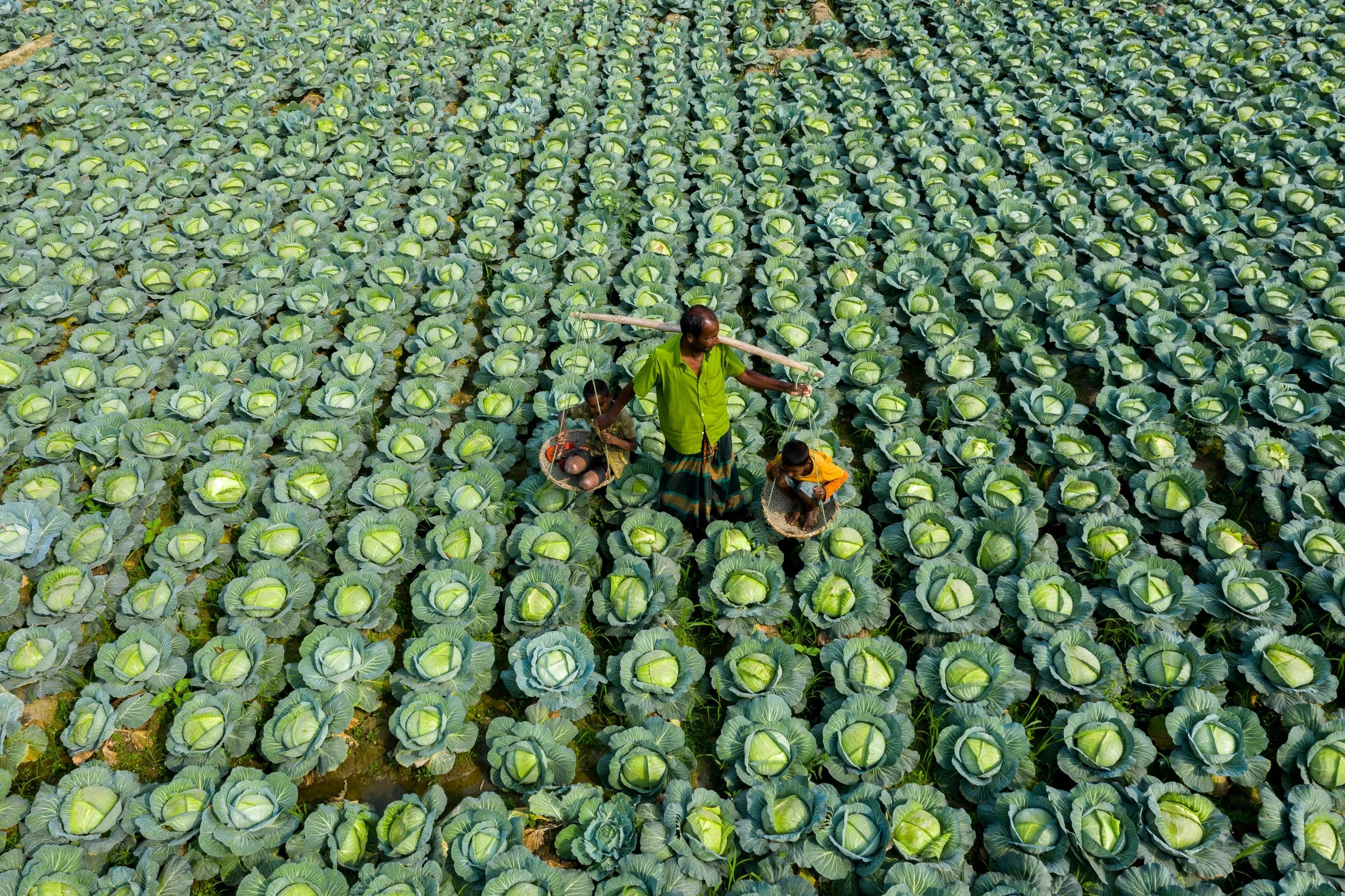
If potatoes were the backbone of the cellar, cabbage was the shield.
During the Great Depression and throughout World War II rationing, cabbage became one of the most dependable vegetables in American kitchens. It was inexpensive, cold-hardy, nutrient-dense, and astonishingly practical. A single head could stretch across multiple meals — sautéed with onions one night, folded into noodles the next, then simmered into soup by week’s end.
That kind of flexibility mattered when grocery money was thin, and ration books determined what went into the cart.
Beginning in 1942, American families received ration books filled with color-coded stamps. Sugar, meat, butter, canned goods — all tightly controlled. You could not simply buy more if you ran out. Once your stamps were gone, they were gone. Fresh produce, however, was not rationed in the same way. That meant vegetables like cabbage became strategic assets.
Enter the Victory Garden.
By 1944, an estimated 20 million Victory Gardens were planted across the United States. Nearly 40% of the nation’s fresh vegetables were grown in backyards, schoolyards, church plots, and vacant lots. Cabbage was a favorite because it tolerated cool weather, resisted pests reasonably well, and produced generous yields per square foot. It stored beautifully in root cellars and cool basements, often lasting for months if kept dry and intact.
In an era before refrigeration was universal, that kind of storage life wasn’t a convenience — it was security.
Nutritionally, cabbage quietly pulled more than its weight. It delivered vitamin C at a time when citrus was expensive and seasonal. It offered fiber and bulk to help fill stomachs when meat portions were modest. It supplied vitamin K and plant compounds we now recognize as supportive of immune health — though no one in 1943 was talking about antioxidants at the supper table.
They were talking about making do.
It wasn’t glamorous.
It didn’t arrive at the table with fanfare or garnish.
It was dependable. And dependability feeds families.
Now — let’s address the Gen-X elephant in the kitchen.
If you grew up in the 1970s, you may have encountered cabbage in its less-than-heroic form: boiled.
Extensively boiled.
Possibly boiled into submission.
Many of us were served wedges of pale, weary cabbage alongside meatloaf under the watchful glow of avocado green or “harvest gold” appliances. There may have been linoleum floors that bore the emotional scars of many family dinners. Double-knit slacks may have made an appearance. The scent of cabbage may have lingered… assertively.
Some of us developed a mild culinary distrust.
But here’s the thing — our parents weren’t trying to traumatize us with cruciferous vegetables. They were often cooking the way they had been taught. Their parents had lived through economic hardship and wartime scarcity. Boiling cabbage was simple, efficient, and required no extra fat, no expensive seasoning, and no additional steps. It was safe. It was familiar. It fed everyone.
Was it overcooked? Frequently.
Was it strategic? Absolutely.
Cabbage represented continuity. It represented thrift. It represented a vegetable that could sit patiently in the refrigerator drawer or basement shelf and still show up when needed.
When we revisit cabbage now — with a little more nuance and perhaps a shorter cooking time — we aren’t just reviving a humble vegetable. We are reclaiming a chapter of kitchen history. We are taking the shield of old and polishing it to a new luster.
And yes, we are finally giving it the sauté pan it deserved all along.
A Practical History of Cabbage
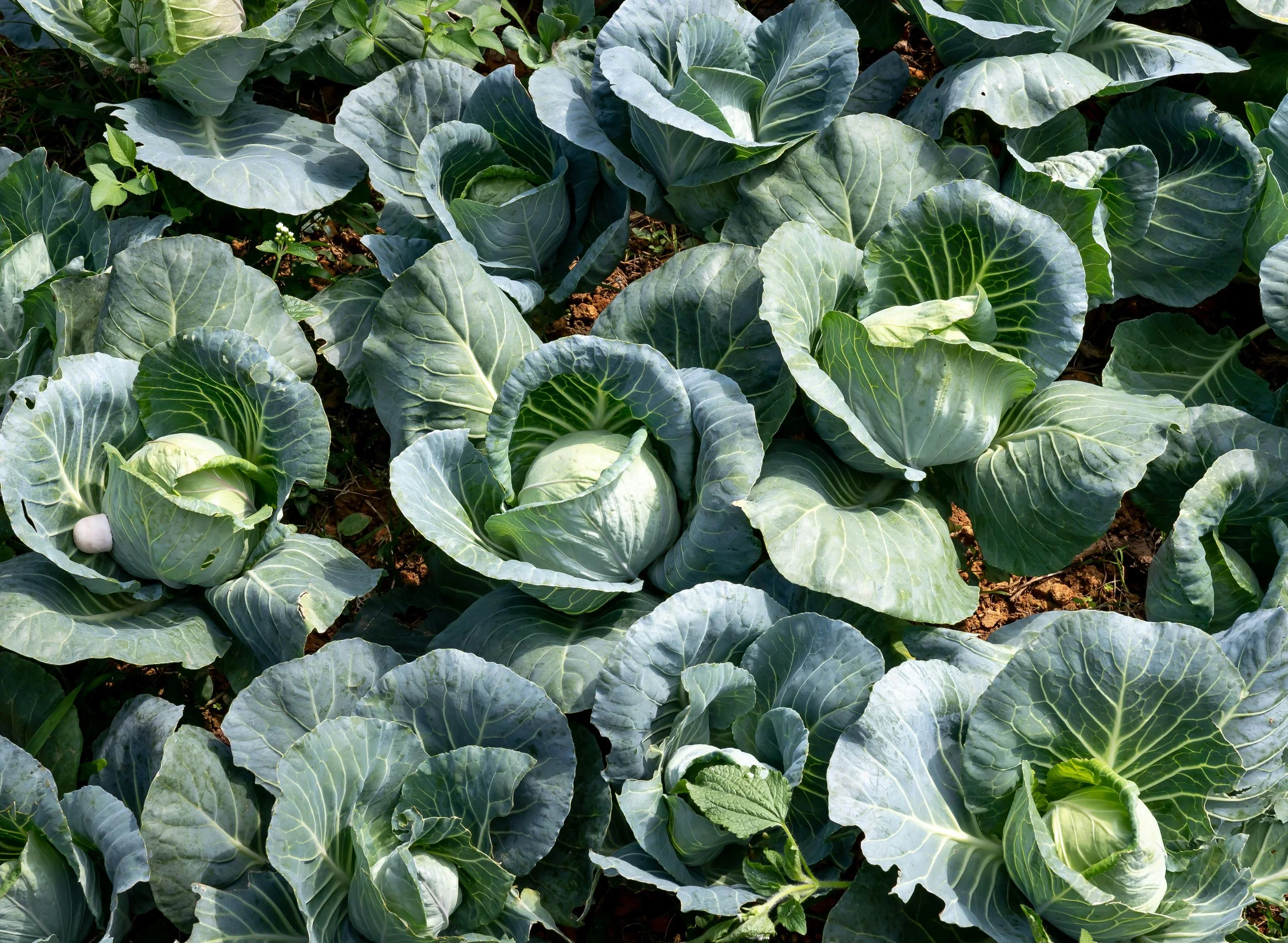
Cabbage has fed Europe and North America for centuries — not because it was fashionable, but because it was faithful.
Long before grocery chains and global shipping lanes, cabbage was one of the few vegetables that could survive cold climates, unpredictable harvests, and long winters. Medieval European peasants relied on it heavily. It appeared in monastery gardens. It traveled in barrels aboard ships because it could be fermented into sauerkraut and help prevent scurvy among sailors. By the 1700s and 1800s, it had become deeply embedded in regional cooking traditions across Germany, Poland, Ireland, Russia, Scandinavia, and beyond.
When immigrant communities arrived in North America, cabbage came with them — tucked into memory, tucked into recipes, tucked into survival strategy.
Braised cabbage with onions and caraway.
Stuffed cabbage rolls simmered in tomato.
Sauerkraut packed into crocks.
Cabbage and noodles browned in butter.
Colcannon folded with potatoes.
Borscht steaming in heavy pots.
These weren’t novelty dishes. They were architecture — built from what grew well and lasted long.
Fast-forward to the Great Depression.
As banks failed and unemployment soared, families leaned hard into vegetables that were cheap, filling, and forgiving. Cabbage thrived in backyard gardens and small plots. It required no elaborate tending. It tolerated frost. It yielded generously.
Then came World War II.
Between 1942 and 1945, Victory Gardens became a national movement. Posters urged Americans to “Grow Your Own” to reduce pressure on the commercial food supply and free up canned goods for troops overseas. By 1944, nearly 20 million Victory Gardens were in operation, supplying roughly 40% of the nation’s fresh vegetables.
Cabbage was everywhere.
Why?
Because during economic hardship, cabbage checks every survival box:
Volume — a single head can feed a family.
Fiber — promoting fullness when protein is limited.
Vitamin C — critical in eras when citrus was seasonal and expensive.
Vitamin K — supporting bone and blood health.
Folate — essential for cell growth.
Glucosinolates — plant compounds we now recognize for immune-supportive properties (though our great-grandmothers simply called it “good for you.”)
It stretched meat.
It thickened soups.
It bulked up stews.
It folded into noodles.
It absorbed broth.
It filled bowls when cupboards looked thin.
And it cost very little per pound.
Even in the tightest seasons, cabbage delivered dignity at the table. It allowed families to serve something warm, something substantial, something that looked like dinner.
Now, yes — somewhere along the line, cabbage acquired a reputation problem.
Perhaps it was overboiled in institutional kitchens. Perhaps it was the stuff of 1970s memories of homes under fluorescent lighting and the gentle hum of harvest-gold appliances, and televisions with three channels and no remote controls. Perhaps some of us developed a deeply personal relationship with the phrase, “Just eat it.”
But long before it was reduced to a limp wedge on a divided plate, cabbage was a global workhorse. It crossed oceans. It survived winters. It sustained communities through famine, war, migration, and recession.
It is not trendy.
It is timeless.
And when economic winds shift — as they always do — cabbage quietly waits for its next revival.
Nutritional Snapshot in a Nutshell
One head of cabbage provides:
High vitamin C content (immune support)
Vitamin K (bone and blood health)
Fiber (satiety + digestive health)
Low calorie density (high volume, low cost)
It’s one of the most cost-efficient vegetables in the produce aisle.
Average cost: $0.60–$0.90 per pound
Average head: $2.00–$3.00
Servings per head: 8–12
That’s pantry intelligence.
Basic Preparations (Depression & Wartime Era)
No specialty oils. No gourmet finishing salts. Just cabbage, onion, fat, and restraint.
1. Fried Cabbage & Onions
Sliced cabbage
Sliced onion
Small amount of bacon fat or butter
Salt & pepper
Cooked low and slow until tender and lightly caramelized.
Optional: A splash of vinegar.
Cost Breakdown
1 small head cabbage: $2.50
1 onion: $0.50
Fat & seasoning: $0.30
Total: ~$3.30
Serves 6
Cost per serving: ~$0.55
If you want to be fancy… Toss it with some boiled egg noodles. The only difference is an onion, honestly…
2. Cabbage & Noodles (Simple Version)
This dish appears across Eastern European kitchens and became common in Depression-era homes.
½ head cabbage, sliced
8 oz egg noodles
2 Tbsp butter
Salt & black pepper
Boil noodles.
Sauté cabbage in butter.
Combine. Season generously.
That’s it.
Cost Breakdown
½ head cabbage: $1.25
Egg noodles (8 oz): $0.75
Butter: $0.25
Total: ~$2.25
Serves 4–5
Cost per serving: ~$0.45–$0.56
3. Hearty But Simple Cabbage Soup
Water or broth
1 small head cabbage, chopped
2 carrots
1 onion
2 potatoes
Salt & pepper
Simmer until tender.
No meat required.
This soup was often served with bread to make it a complete meal.
Cost Breakdown
Cabbage: $2.50
Carrots: $0.50
Onion: $0.50
Potatoes: $1.00
Seasoning: $0.20
Total: ~$4.70
Serves 6–8
Cost per serving: ~$0.59–$0.78
The Organized Pantry Connection
Though most commonly stored in the refrigerator these days, cabbage teaches:
Cold storage strategy
Ingredient stretching
Layered reuse (fried one night, soup the next)
Budget meal planning using seasonal produce
In The Organized Cook’s Pantry: Strategies for Efficiency and Flavor, I teach that working pantry systems reduce waste and multiply creativity.
Cabbage is proof that you don’t have to shortchange yourself on flavor to set an economical table.
Next episode — we fortify it!
This week’s challenge is to grab a head of cabbage and try your hand at one of these basic recipes to get the gist of how to handle this hearty vegetable. Then, we will expand on this theme in Episode #8. I promise the Cabbage Soup WW recipe will not be among them, but if you want to study ahead, Google Gordon Ramsay’s Cabbage Soup Recipe. It’s an absolute favorite of mine. Warm. Cozy. Nourishing.
Happy Cooking!
Kimberly
PS– Did you try any of these recipes? We would love it if you would take pictures and share them on Social Media. Tag: @mealconciergeservice (make sure you confirm that our logo is showing on the header). FB’s bot refused to recognize MealScript as a non-offensive name.
#MealScript #CabbageRevival #GreatDepressionMeals #BudgetGourmet #VictoryGarden #FrugalNourishment #KitchenHistory #CheapHealthyMeals #PantryIntelligence #ModernFrugality
