

Episode #15 – Whole Grains & Hot Cereals: Before the Boxed Breakfast
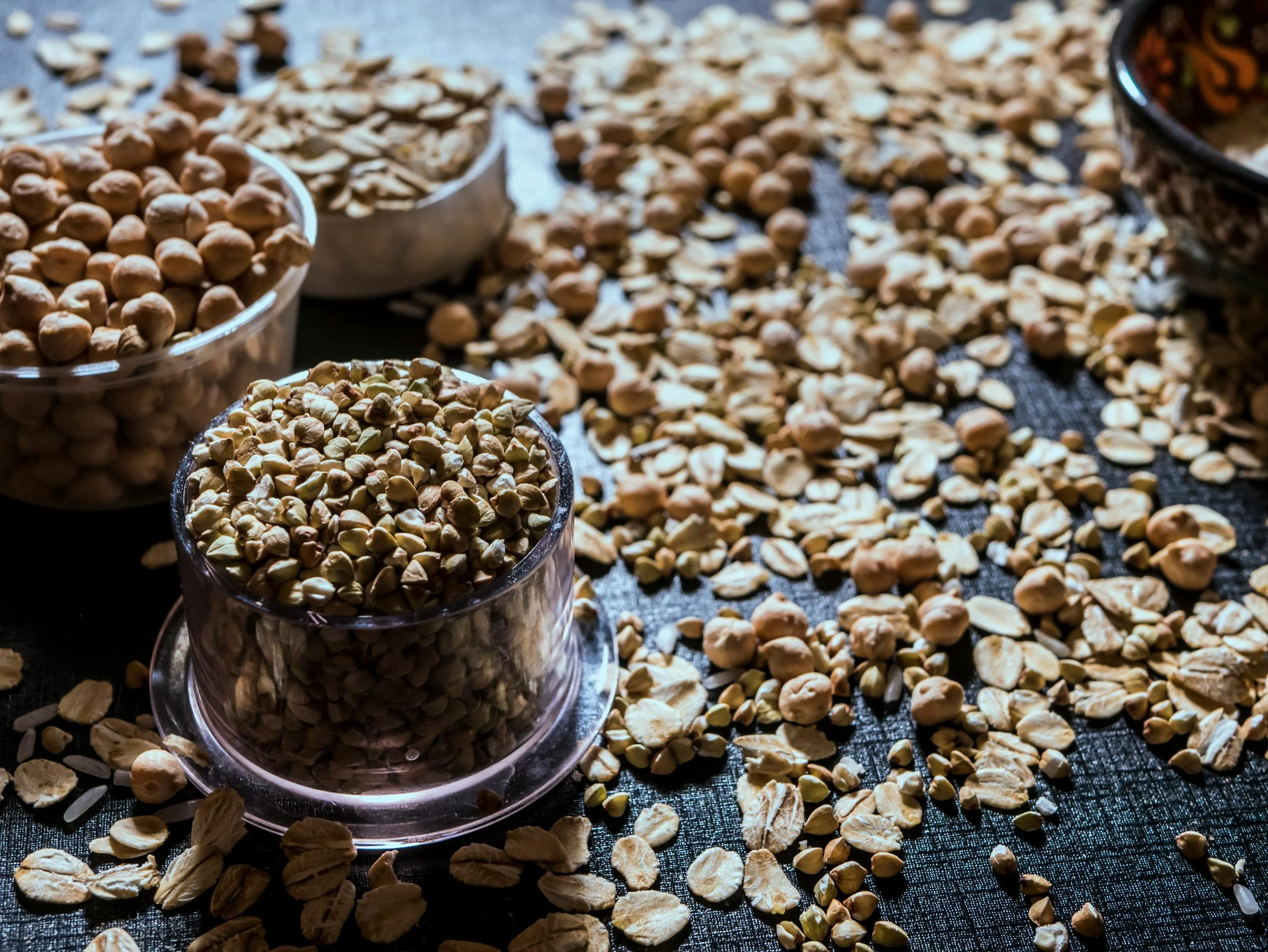
Before cereal mascots.
Before frosted flakes and Snap, Crackle, Pop.
Before “just add milk.”
There was grain.
Not milled into flour.
Not shaped into pasta.
Not sweetened into novelty.
Whole.
Wheat berries.
Steel-cut oats.
Old-fashioned oatmeal.
Cream of Wheat.
Malt-O-Meal.
These weren’t trend foods.
They were steady foods.
And in working households — rural, urban, immigrant, farming — these were often breakfast.
A Brief Historical Frame
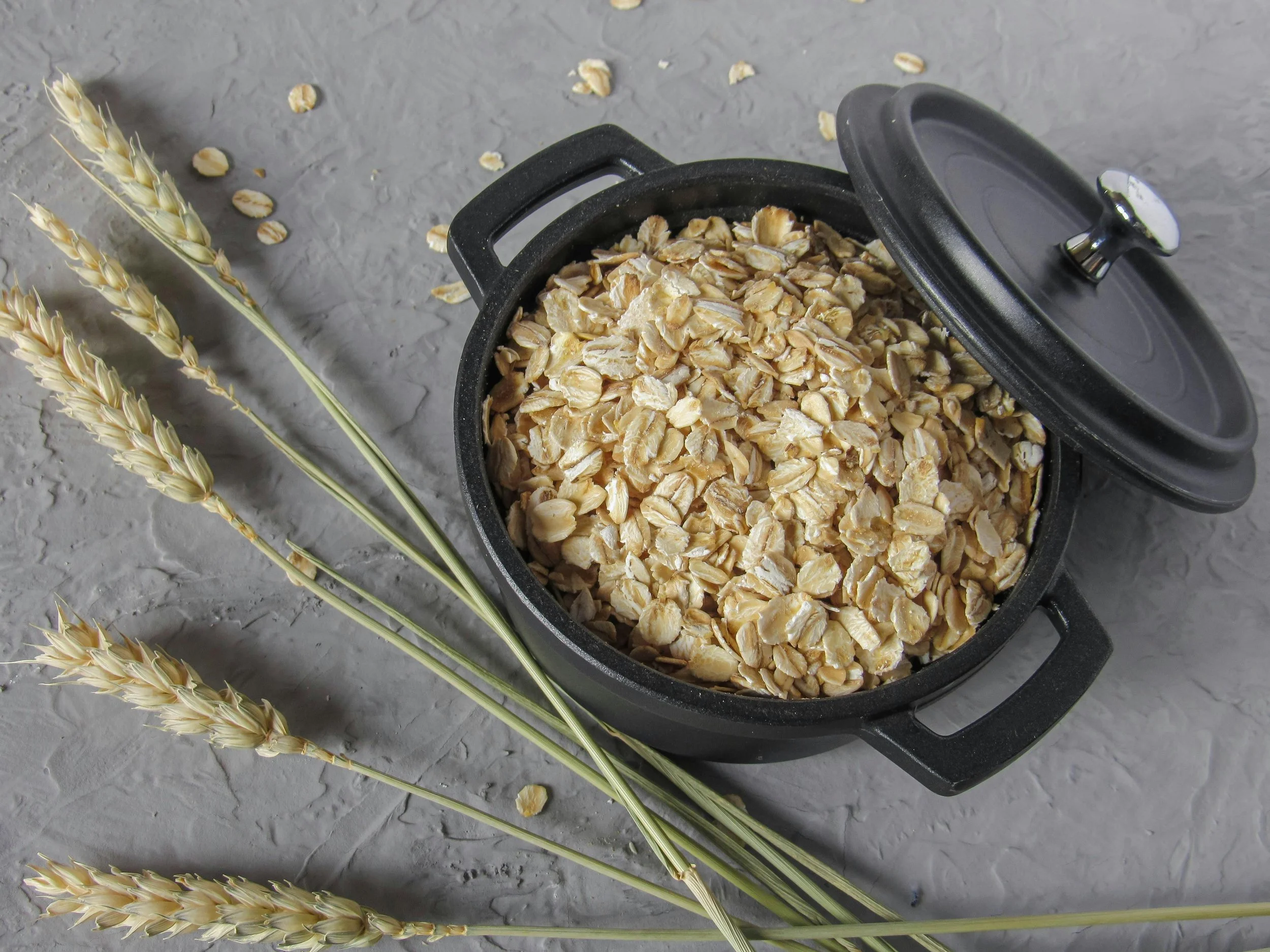
Porridge is one of the oldest prepared foods in human history. Across cultures and continents, grain simmered in water or milk was morning fuel:
Oats in Scotland and Ireland
Wheat porridge across Eastern Europe
Grits in the American South
Farina-based cereals in industrial America
By the late 19th century, commercial milling created products like Cream of Wheat (introduced in 1893), which offered a smoother, quicker-cooking wheat porridge. Malt-O-Meal followed in the early 20th century as an affordable alternative.
By the mid-20th century — especially 1950s–1970s — hot cereals were weekday standards in many households. They were:
Inexpensive
Shelf-stable
Filling
Easily stretched with milk
Mild enough for children
Before boxed cold cereals dominated, hot grain was ordinary.
And ordinary was reliable.
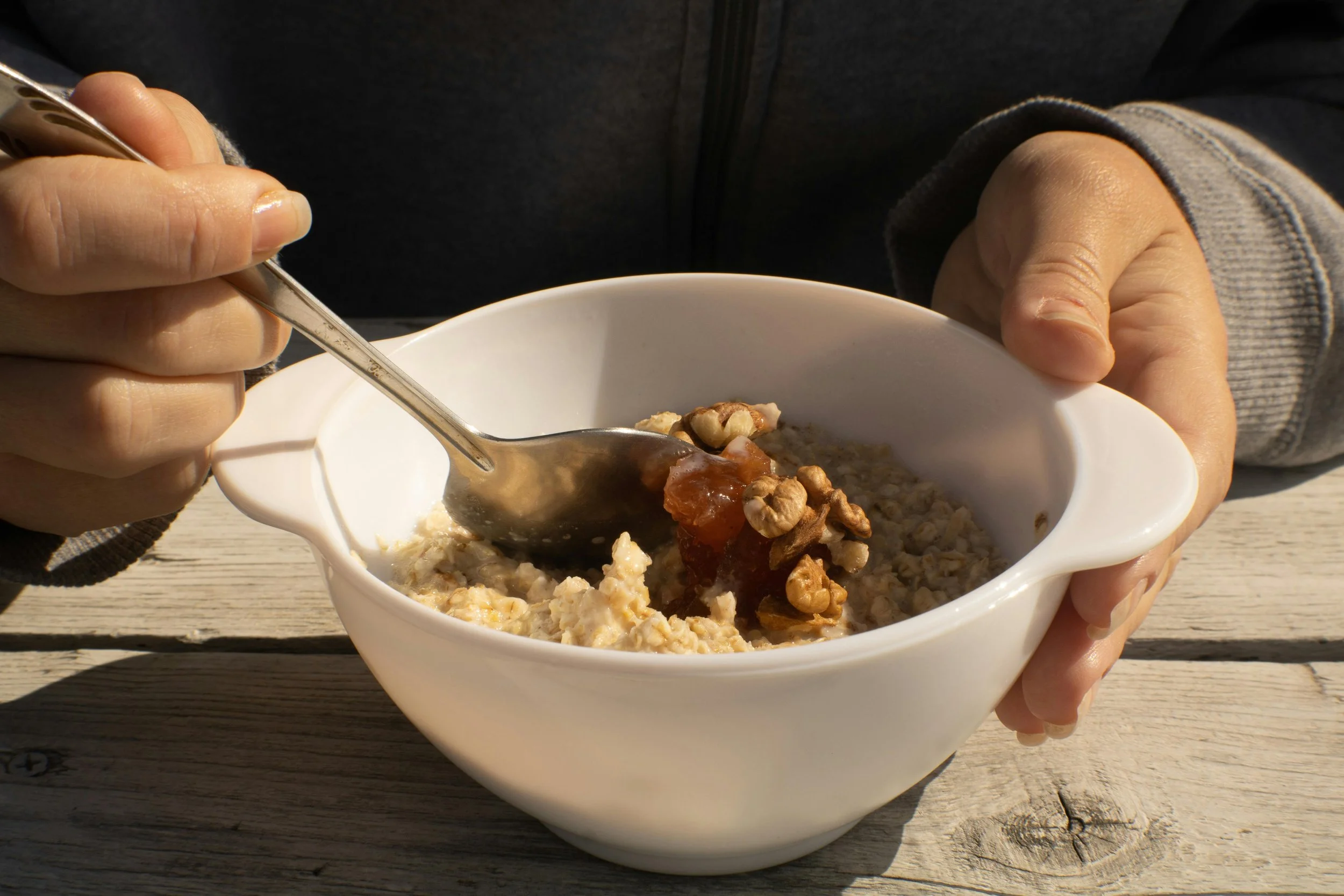
Understanding the Grain Forms
Before we cook, let’s clarify the structure.
Wheat Berry
The entire wheat kernel — bran, germ, endosperm intact.
Requires longer cooking.
High in fiber and protein.
Stores for years when dry.
Steel-Cut Oats
Whole oat groats chopped into pieces.
Chewy texture.
Slow-release energy.
Minimal processing.
Old-Fashioned Rolled Oats
Steamed and flattened oat groats.
Faster cooking.
Still whole grain.
Cream of Wheat / Farina
Milled wheat endosperm.
Smoother texture.
Lower fiber, but easily digestible.
Malt-O-Meal
Toasted wheat farina.
Slightly nuttier flavor.
Industrial-era convenience.
Each represents a point on the processing spectrum.
None are villains.
Each reflects its era’s priorities.
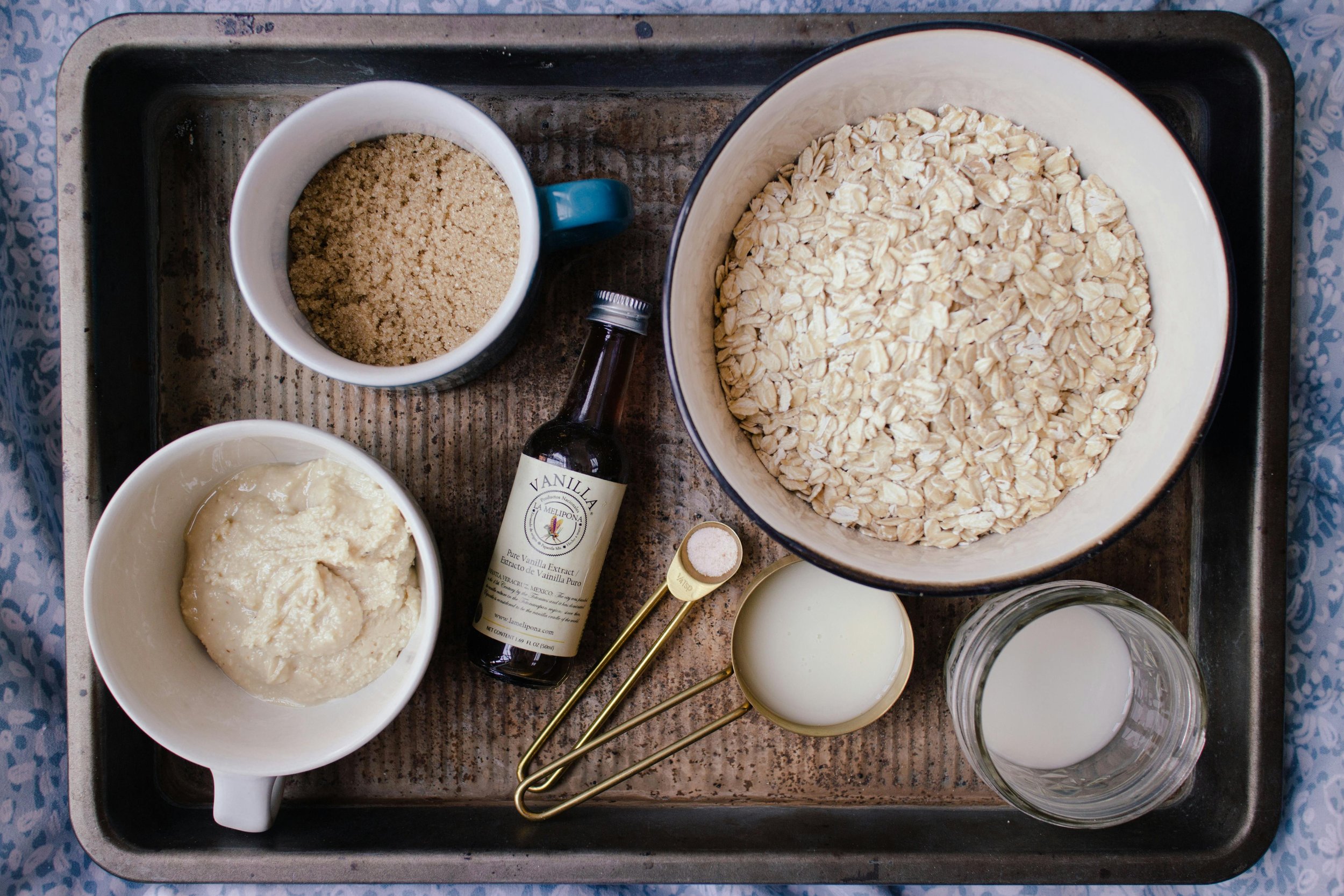
Basic Preparations: The Historic Approach
1. Steel-Cut Oats (Savory Style)
1 cup steel-cut oats
3 cups water
Pinch salt
Simmer 20–30 minutes.
Traditionally served with:
Butter
Salt
Sometimes milk
Before sugar became dominant, oats were often savory.
Cost Breakdown
1 cup steel-cut oats: ~$0.50
Serves 4
Cost per serving: ~$0.12
2. Old-Fashioned Oatmeal
1 cup rolled oats
2 cups water or milk
Pinch salt
Simmer 5 minutes.
Add:
Butter
A spoon of brown sugar
Or simply salt
Cost Breakdown
Oats: ~$0.40
Milk (optional): ~$0.75
Total: ~$1.15
Serves 4
Cost per serving: ~$0.28
3. Cream of Wheat (Simple)
¼ cup farina
1 cup water or milk
Pinch salt
Whisk while simmering.
Serve with:
Milk
Butter
Modest sugar
Cost Breakdown
Farina: ~$0.30
Milk: ~$0.50
Total: ~$0.80
Serves 2
Cost per serving: ~$0.40
4. Wheat Berries (Basic Bowl)
1 cup wheat berries
3 cups water
Salt
Simmer 45–60 minutes.
Serve with:
Butter & salt
Milk
Or stirred into soup later
Cost Breakdown
1 cup wheat berries: ~$0.70
Serves 4
Cost per serving: ~$0.18
Wheat berries are among the most shelf-stable and economical grains available.
Why These Cereals Endured
They provided:
Long-lasting energy
High satiety
Affordable calories
Digestive fiber (especially oats & whole wheat)
Warmth in cold climates
For farming families, hot cereal before sunrise meant sustained energy for manual labor.
For working-class households, it meant children went to school full and ready to learn.
It wasn’t glamorous.
It was grounding.
The Shift to Boxed Cereal
By the late 20th century, cold cereal marketing reshaped breakfast culture. Convenience, sweetness, and branding overtook simmering pots.
Hot cereal didn’t disappear — it simply lost center stage.
But economically?
It never stopped making sense.
Reflection
If you grew up in the 1970s, you may remember:
A pot of oatmeal on the stove
Cream of Wheat thickening quickly
Malt-O-Meal with a pat of butter melting into the center
Or perhaps you remember begging for the colorful cereal box instead.
Either way, hot cereal represents something steady.
It asks for nothing dramatic.
Just water.
Just heat.
Just time.
And in a resilient kitchen, that simplicity is power.
Next in Episode #16, we’ll upgrade whole grains — savory oat risotto, wheat berry salads, and breakfast-for-dinner bowls, and upgrade your breakfast game that respects structure without sacrificing flavor.
In the meantime, check out the whole grains in your pantry and purchase one to start experimenting and expanding your value-priced meal repertoire.
✌️💜🍫
Kimberly
PS: We always love seeing what you have tried and are experimenting with. Please take pictures, post them to your socials, and tag us!
#MealScript #BreakfastArchitecture #WholeGrains #BudgetGourmet #PantryStaples #ResilientKitchen #OatmealRevival #FrugalWellness #KitchenStrategy #MorningFuel
