

Episode #10 – Layered Grains: Flavor, Fortification & the Modern Pantry
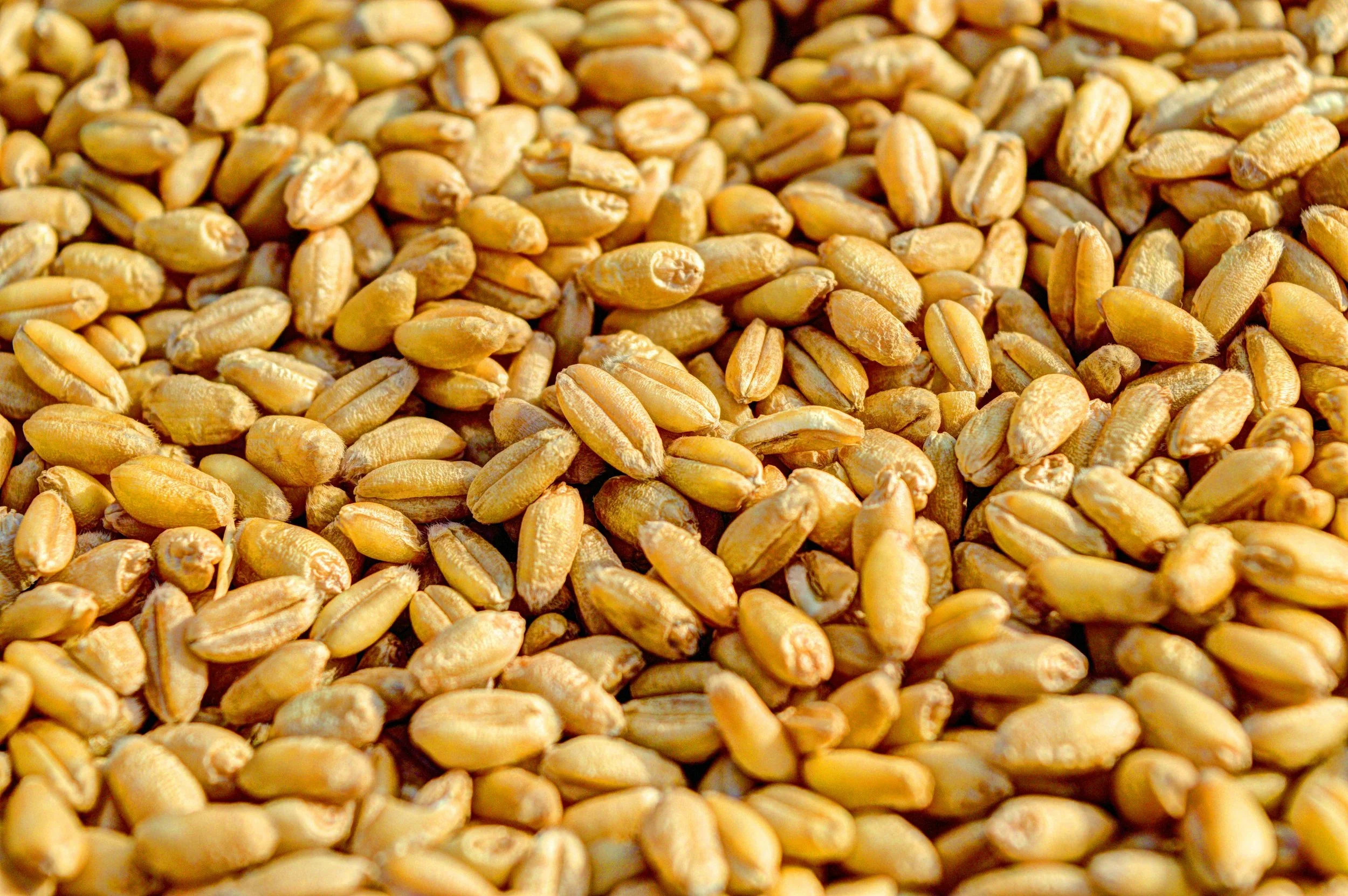
In hard times, grains were boiled.
Not because cooks lacked creativity — but because efficiency mattered more than nuance. Fuel was conserved. Ingredients were limited. The goal was nourishment first, refinement second.
But when stability returns, technique becomes opportunity.
Rice, barley, and farro do not demand attention — but they reward it. The same grains that once stretched rations can now build depth, texture, and quiet elegance without increasing cost.
Upgrade does not mean extravagance.
Upgrade means intention.
The Evolution of the Grain Bowl
In the 1930s and 1940s, grain often played a supporting role:
Rice under beans
Barley in broth
Bread beside soup
Today, we see “grain bowls” marketed as premium fare. But historically, layering grain with vegetables and modest protein was simply intelligent cooking.
The difference is technique.
To move from survival simmering to strategic flavor building, you need only a few adjustments:
Toast before adding liquid
Use broth instead of plain water when possible
Layer aromatics early
Add acid at the end
Finish with a small amount of fat
Each step costs pennies.
Each step compounds flavor.
Upgrade Technique #1: Toast for Depth
Dry toasting grains in oil or butter for 2–3 minutes before adding liquid develops a nutty backbone.
It reduces the “flat boiled” flavor many of us associate with childhood rice.
This is not culinary showmanship.
It’s heat chemistry and well worth the couple of extra minutes.
Recipe 1: Lentil & Rice Pilaf with Cumin
1 cup rice
½ cup lentils
1 onion, diced
1 tsp cumin
2½ cups broth
1 Tbsp olive oil
Salt & pepper
Toast rice in oil.
Add onion and cumin.
Stir in lentils and broth.
Simmer gently until tender.
Why It Works
Rice + lentils form a complementary protein pairing.
Cumin enhances digestibility.
Broth provides layered flavor without added cost.
Cost Breakdown
Rice: $0.50
Lentils: $0.60
Onion: $0.50
Broth/spices/oil: $0.60
Total: ~$2.20
Serves 6
Cost per serving: ~$0.37
Affordable. Balanced. Complete.
Upgrade Technique #2: Barley as Structure
Barley has natural viscosity. When simmered gradually, it thickens its own broth — no cream required. However, like carnerolli rice (Risotto Rice), barley makes a great, hearty risotto and will cost much less– Unless you and a few friends co-op bulk purchases of dried staples and share.
Recipe 2: Mushroom Barley “Risotto”
1 cup pearl barley
1 small onion
1 cup mushrooms
3 cups broth
1 Tbsp butter or oil
Thyme
1 tsp. White wine vinegar or an equivalent squeeze of fresh lemon juice
Sauté the onion and mushrooms first.
Toast barley briefly.
Add broth gradually and simmer.
Finish with acid.
Why It Works
Mushrooms add umami.
Barley provides chew and body.
Acid prevents heaviness.
Cost Breakdown
Barley: $0.80
Mushrooms: $1.50
Onion: $0.50
Broth/fat: $0.75
Total: ~$3.55
Serves 4–5
Cost per serving: ~$0.71–$0.88
Less than a dollar for something that feels substantial.
Upgrade Technique #3: Ancient Grain Without the Trend Tax
Farro is often marketed as elite. It is not. It has made its way to the rice and pasta section of the mainstream grocery store.
But what is it? It is simply whole wheat in its older form — hearty, nutty, durable.
It has become one of my very favorite grains to have in my pantry. AND it can be cooked via the Risotto technique with quite satisfying results.
Recipe 3: Farro with Roasted Vegetables & Garlic Oil
1 cup farro
2 cups mixed vegetables
2 Tbsp olive oil
1 clove garlic
Salt & pepper
Cook farro until tender.
Roast vegetables separately.
Combine and drizzle with warm garlic oil.
Optional: Add chickpeas or ¼ lb ground turkey to stretch protein.
Cost Breakdown (Vegetable Version)
Farro: $1.25
Vegetables: $2.00
Oil/garlic: $0.50
Total: ~$3.75
Serves 4
Cost per serving: ~$0.94
With turkey added: ~$1.35 per serving.
Still controlled. Still practical.
The Proportion Principle
During rationing, cooks understood something we forget:
You don’t eliminate meat.
You reduce its proportion.
½ pound of ground turkey combined with grain feeds six instead of three.
Grain absorbs flavor.
Protein stretches further.
Cost stabilizes.
This is not deprivation.
It is balance.
A Note on Wellness Without Hype
Upgraded grains offer:
Fiber for blood sugar stability
Beta-glucans in barley for heart health
Magnesium and protein in farro
Sustained energy from complex carbohydrates
No detox claims.
No moralizing food language.
Just nourishment that holds.
Pantry Structure Makes Upgrade Possible
Layered grains depend on organization:
Airtight storage for bulk grain
Visible spices
Rotated broth
Clear labeling
If you don’t know what’s on your shelf, you can’t layer intelligently.
This is where The Organized Cook’s Pantry: Strategies for Efficiency and Flavor becomes practical. Structure allows creativity without waste.
And waste reduction is modern resilience.
Reflection: From Beige to Built
For many of us raised in the 1970s, grain was background noise. Rice was pale. Barley was medicinal. Bread was filler.
But grain was never the problem.
Technique was.
When we toast, layer, and finish thoughtfully, we discover that grains do not need extravagance.
They need respect.
And respect costs less than takeout.
Looking Ahead
Next, we move into Flour & Stretch Baking — where chemistry, scarcity, and ingenuity collide.
Because when sugar is rationed, and butter is scarce, flour becomes architecture.
And architecture builds kitchens that endure.
Your weekend challenge is to take one of these recipe ideas and make it your own. Take pictures, note any tweaks you made, post them on your socials, and tag us. We would love to see what you are doing!
✌️💜🍫
Kimberly
PS– Didn’t see a specific grain mentioned? Stay tuned! Chances are, they are special enough to merit their own episodes!
#MealScript #LayeredGrains #BudgetGourmet #GrainRevival #PantryArchitecture #StrategicCooking #FrugalWellness #ElevatedBasics #NutrientDensity #ZeroWasteKitchen
