

Forgotten Great Depression Meals for a New Generation:Episode #3– Root Vegetables and Tubers
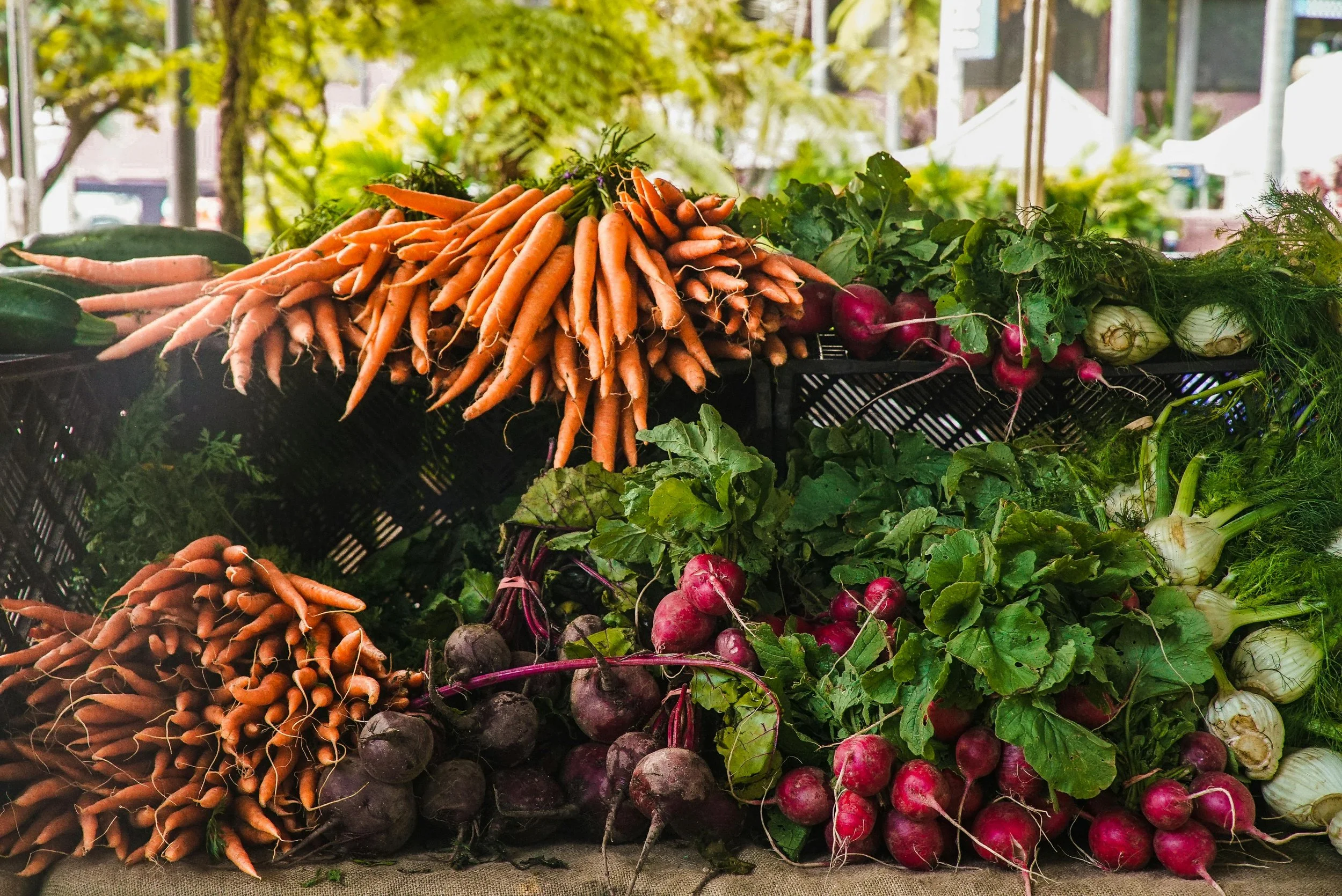
Welcome back, friends.
Today, we are going to step back in time to the root cellar. The time when a “basement” was not anything like today’s man caves, bonus rooms, or kids’ playrooms and laundry facilities. Understanding how to cook frugally truly begins with taking in ALL available options. The Great Depression and World War II cooking is a great place to start for current-day examples, as the economy goes beyond challenging to downright frightening.
If you truly want to understand Great Depression and World War II cooking, you have to step into the root cellar.
Before convenience foods, before refrigeration was widespread, before global produce aisles — there were cellars lined with potatoes, crates of turnips, burlap sacks of onions, braided garlic, and bins of sweet potatoes carefully curing in the dark. A “working supply” was likely stored in baskets and bins in the kitchen pantry.
Root vegetables and tubers were not side dishes.
They were a survival strategy.
Set aside what negative pronouncement every expert and “diet guru” has ever uttered regarding any of these humble vegetables. You have yourself and a family to feed and keep healthy. Focus on facts. What is the vitamin, mineral, and fiber content? What additional wellness properties does the vegetable bring to the table? What vegetables can you combine to create a good, nutrient-dense meal?
The Nutritional Backbone of Hard Times
What made root vegetables indispensable wasn’t just affordability — it was nutrient density per acre.
Let’s widen the lens beyond carrots and potatoes:
Potatoes – High in potassium (more than a banana), vitamin C, vitamin B6, and complex carbohydrates for sustained energy. When eaten with skin, they provide fiber and trace minerals like magnesium.
Sweet Potatoes – Rich in beta carotene (vitamin A precursor), vitamin C, potassium, and fiber. They were crucial in preventing vitamin deficiencies.
Turnips – Contain vitamin C, calcium, and fiber. The greens (often overlooked today) were packed with vitamin K and folate.
Rutabagas – A cross between cabbage and turnip; rich in vitamin C and manganese, with excellent storage life.
Parsnips – Higher in natural sugars than carrots; good source of fiber, vitamin C, and folate.
Beets – Provided folate, manganese, and natural nitrates that support circulation.
Onions (the “lilies” of the cellar) – Antimicrobial properties, vitamin C, quercetin, and sulfur compounds that supported immune health.
Jerusalem Artichokes (Sunchokes) – Contain inulin, a prebiotic fiber supporting gut health.
Cassava (in some immigrant communities) – A calorie-dense tuber used similarly to potatoes where available.
These crops stored well. They resisted rot if properly cured. They delivered calories and micronutrients when meat was scarce, and citrus was unavailable.
They were insurance against winter.
How They Actually Prepared Them (No Trendy Upgrades)
Let’s strip this back to realism. These kitchens did not have artisanal sausage or runny eggs for garnish. They had cast iron, lard, flour, and necessity.
1. The Fried Skillet Supper
Cubed potatoes.
Sliced onions.
Sometimes diced turnips or rutabaga.
A spoonful of saved bacon fat (if fortunate).
Cooked low and slow in a heavy skillet until browned and soft. Salt and black pepper — if available.
Sometimes stretched with:
A single hot dog sliced thin
A handful of cabbage
Leftover gravy poured over top
This was not glamorous.
It was filling.
It worked.
Recipe? No, not really. Just good sense. This was how my Oma taught me to prep the meal: Evaluate the potato based on the baked potato principle– If baked for a meal, would the size of the potato serve one person or two? Do we need to stretch the meal with turnips or parsnips? Use one medium onion, thinly sliced, for a meal to serve 4 people.
2. Root Vegetable Boil with Drippings
A pot filled with:
Turnips
Potatoes
Carrots
Parsnips
Onions
Simmered together in salted water. If a roast had been cooked earlier in the week, a spoonful of saved drippings flavored the broth.
The vegetables absorbed flavor and were served mashed together — a rustic mash before “colcannon” was trendy.
If you just aren’t into a “mash,” it’s a great vegetable stew.
3. Wartime Casserole Layers
Sliced potatoes or rutabagas layered with:
Hard-cooked eggs
Thin white sauce (flour + fat + milk or powdered milk)
Onions
Baked until tender.
Eggs replaced meat protein. Milk was often evaporated or powdered.
Quick white sauce recipe: Melt 1 Tbsp. Butter or reserved bacon fat in a small pot and stir in 1 Tbsp of flour to make a blonde roux. Stir constantly until the roux stops foaming. Add in 1 cup of milk, ½ tsp salt, and ¼ tsp. pepper (black or white– whichever you like). Stir constantly until thickened. If you prefer thinner, add a Tbsp of milk and stir, adding additional milk by Tbsp until the desired consistency is reached.
Cheese works well in a bake like this as well. I highly recommend using half shelf-stable cheese (yes, the stuff with the name beginning with “V”) and half hard cheese like cheddar. The shelf-stable cheese will not break and create a greasy pool on the top of your meal– Going half and half seems to help prevent this as well. Don’t want to engage in kitchen science? Go mozzarella, monterrey jack, or another white cheese such as queso quesadilla, which typically don’t make oil slicks when baked.
4. Sweet Potato Baking
Sweet potatoes were often baked whole in embers or ovens and eaten plain. As they cured, natural starches converted to sugars, increasing sweetness. No marshmallows required.
Stuff with a bit of leftover chicken, or a quick saute of green vegetables for a filling meal.
5. Grated Vegetable Stretchers
Carrots and turnips grated into:
Meatloaf
Patties
Dumplings
Even biscuit dough or pancake batter
They added moisture, fiber, and bulk without added cost.
6. The Potato Pancake or Latke
I cannot for the life of me leave out the simple potato pancake, also known as Latke in some cultures. Your family may have a formula passed down through the generations. If not– here you go:
4 large Russet Potatoes (grated on the box grater)
1 medium Onion, peeled, grated the same way as the potatoes
¼ cup All-purpose flour (gluten-free flour works as well)
1 each egg (this is measured by large to XL eggs so add two if smaller)
1 1/2s tsp Kosher salt
1 tsp Ground black pepper
½ tsp Baking powder
As Needed Butter or preferred frying oil
Additional Toppings: Apple Sauce, Sour Cream & Chives, Maple Syrup
Instructions:
Preheat oven to 250 degrees Fahrenheit. Prepare a clean sheet pan with several layers of paper towels to help absorb the excess oil from the potato cakes while they are being held in the hot oven while cooking the remaining portions.
Have a fine-mesh strainer or colander positioned over a clean bowl, or set in the bottom of a clean and sanitized sink. Grate the potatoes and then the onions on a box grater (if you have shredding disks for your food processor, that works a little faster) and place in the strainer or colander. Mix in the salt, and let the mixture “weep” for 10 to 15 minutes to release some of the natural liquid in the vegetables. To speed this up, place the vegetables in a clean tea towel, twist the ends together, and wring out the excess liquid after they have set in the colander for at least 5 minutes. The mixture should look much drier now.
Placed the drained potato and onion mixture in a clean, dry bowl, adding the flour, pepper, and egg (I like to beat mine before adding to assure uniformity). Mix well.
In a heavy skillet, warm about an eighth of an inch of oil or butter over medium-high heat to a high enough temperature to fry the cakes without absorbing a lot of oil. For this reason, I typically just use light olive oil and leave off the butter. Using a ⅓ cup measure, portion out the potato mixture, form into a patty, and gently place in the hot oil. Alternatively, use the measuring cup to gently place the mixture into the pan; then flatten the portion with the back of a spatula. Fry on each side until golden brown (about 3-4 minutes). Remove with a slotted spatula and allow to drain briefly before placing on the lined sheetpan in the oven. Repeat the process until all the mixture has been used.
Garnish as desired.
At my Oma’s, potato pancakes were typically served with homemade sausages and apple sauce.
The Quiet Intelligence of Simplicity
These cooks were not minimalists by aesthetic choice.
They were maximizing:
Caloric density
Storage life
Nutrient preservation
Cost per serving
They understood something we are rediscovering:
The soil-fed foods are the most reliable foods.
This week’s challenge:
Build a meal using only root vegetables, onions, fat, salt, and one additional protein. No more than six ingredients.
Honor the method first.
Upgrade later.
Because next time, we upgrade.
— Kimberly Fehler
Owner & CEO, MealScript
#MealScript #RootCellarChallenge #GreatDepressionCooking #BudgetFriendlyMeals #FrugalGourmet #RootVegetables #PotatoPancakes #SurvivalSkills #NutrientDense #KitchenSovereignty
