

Forgotten Great Depression Meals for a New Generation:Episode #2– Beans, Legumes, Rice, and Grains Updated
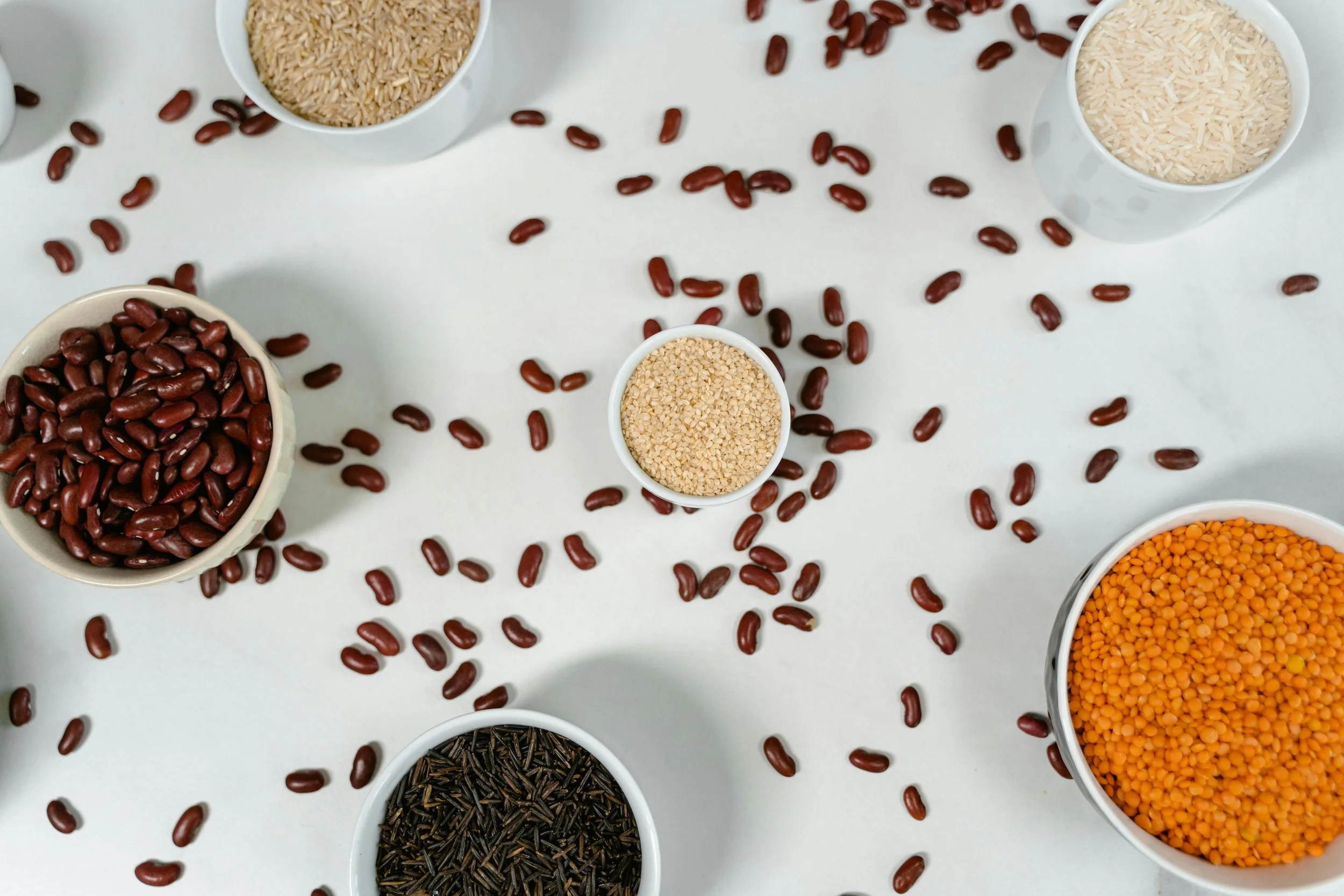
Welcome back, budget gourmets and history buffs! If you joined me for Tuesday's installment (Episode #1), you know we kicked off our crucial new series on bringing the ingenious, frugal wisdom of the Great Depression into your modern kitchen. We started by covering the foundations of a powerful pantry: dried beans, legumes, rice, and grains. Today, on this Thursday follow-up, we are putting that knowledge to use. We’re moving beyond simple sustenance and diving into recipes that take "Great Depression Food" up a few delicious, soul-satisfying notches without even touching your food budget. Get ready to cook food that fills the body, feeds the soul, and empowers your wallet.
If you missed Tuesday’s blog installment, we are embarking on a series to bring economical meals to a new generation. For the next few weeks, we are going to break down the value of a well-organized, well-stocked pantry in making budget-friendly, nutritious meals. Each Tuesday, we will introduce the family of ingredients and their uses in the simplest terms. Thursday will follow up by expanding on the simple and bringing next-generation flair to the party.
Let’s dig into recipes that can completely come from the pantry and spice shelf and aren’t just a straight-up “cook the beans in one pan,” “cook the rice in another pan,” serve plates or bowls… Enjoy sort of affair. Please, do not get me wrong. As I write this, I am strongly contemplating the delights of a simple pot of beans or peas for dinner. Tis the season after all!
Stepping outside of the Deep South’s bean and rice traditions, please allow me to point you toward the Middle East. Traditionally, this will call for lentils with rice in several delectable varieties. Like day-old cooked rice being best for fried rice, some of these can be whipped up with leftover lentils and rice. Some are super savory, and then there are others that are beautifully studded with dried fruits and toasted nuts. Here is one of my favorite recipes to get you started:
Mujadara (Rice and Lentils):
This is definitely a recipe worth making a double batch of to have strategic leftovers for packing for lunch, or even another dinner. One of the essential flavor bombs in this recipe is the caramelized onions. This is the first place to start when making this dish. You want to truly caramelize the onions– not just turn them a weak shade of beige. Stopping at that shade of beige is the “ain’t” zone between the wondrous flavor of raw onions and the deep, luscious brown of caramelized onions. The recipe calls for a small amount of sugar. This will help activate the natural caramelization process. If you do not wish to use sugar, substitute honey or maple syrup, or do nothing at all.
Caramelized Onions:
4 each Large yellow or white onions (I don’t care for the sweet yellow onions for this recipe)
1 Tbsp Olive oil
1 tsp Himalayan Pink Salt (table grind)
1 cup Water
1 Tbsp Sugar (honey or turbinado sugar will work instead– this helps activate the caramelization)
1 Tbsp Apple Cider or White Wine Vinegar
Lentils:
1 cup Lentils– green or brown (rinsed and picked)
4 cups Water
1 tsp Salt (regular kosher, sea salt, or Himalayan pink salt)
Rice:
½ cup Basmati Rice, rinsed thoroughly in cold water
1 ½ cup Water
½ tsp Himalayan salt or sea salt (table grind)
To bring the dish together:
4 each Scallions, green tops removed and reserved, whites finely sliced
2 each Garlic cloves, peeled and pressed or grated finely
1 tsp Paprika
1 tsp Coriander
½ tsp Cumin
½ tsp Cinnamon
½ tsp Tumeric ( not traditional, but will add color and a bit of anti-inflammatory properties)
⅛ tsp Red Pepper flakes (or more if more spice is desired)
½ tsp Himalayan salt or sea salt (table grind)
⅛ tsp Black pepper, freshly ground
Options:
2 Tbsp Flat-leaf parsley, finely chopped
2 Tbsp Cilantro leaves, finely chopped
Garnish Suggestions:
4 each Fresh lemon wedges
1 cup plain Greek yogurt or yogurt tahini sauce
Instructions:
First: Peel and thinly slice the onion into uniform half-moons. In a large saute pan (make sure you have one with a lid) preheat the pan until a few drops of water hop across the bottom of the pan before evaporating. Add the olive oil and swirl to coat the bottom of the pan. Add the sliced onions and sautee about 4 minutes. Add the salt and sugar, stirring and continuing to sautee 2 more minutes. Add 1 cup water, cover the pan with its lid, reduce the heat to medium-low, and allow to simmer for about 20 minutes until the liquid evaporates. Remove the lid, increase the heat to medium-high, and continue to allow the onion to brown, stirring often. When the onions approach a chocolate brown color (but aren’t burnt), add 1 Tbsp vinegar and stir for 2 minutes. Turn off the heat and set aside.
Second: (while the onions are cooking) rinse the basmati rice thoroughly in a strainer and allow to drain. In a 1.5-quart saucepan, bring 1.5 cups of water to a boil, add the prepared rice, and ½ tsp salt. Reduce heat to low, cover tightly with a lid (wrap the lid in foil if needed to make the lid fit tightly), and allow the rice to steam for 18 minutes. At this point, cut the heat and allow the rice to carry over at least 5-7 minutes before removing the lid and fluffing the rice with a fork.
Third: (while the onions are cooking) In a separate 2-quart saucepan, place the rinsed and picked lentils, 4 cups of water, and teaspoon of salt. Bring to a boil then reduce heat to medium-low and simmer for between 15 and 20 minutes. The lentils should be tender and intact– Not mushy. Drain and set aside.
Fourth: Measure all of the dry spices into a small bowl so it will be quick to add when finishing the dish.
Fifth: Once the onions, rice, and lentils are all prepared, heat up a sautee pan over medium-high heat, add the olive oil and swirl to coat the bottom of the pan. Add the scallion whites and sautee for about 2 minutes. Add the garlic and dried spices and sautee a minute or a minute and a half until the spices are fragrant. With a spatula, gently stir in the cooked, drained lentils, cooked basmati rice, caramelized onions, and fresh herbs (if adding). Bring together thoroughly and adjust seasoning with additional salt and black pepper if needed.
Serving Option: For an attractive center-of-the-table dish, reserve half of the caramelized onions to garnish the top of the dish, serving on a large platter with sliced scallion greens, additional chopped parsley, and lemon wedges around the sides.
A fresh vegetable addition to make this a more complete meal would be a simple cucumber and tomato salad or an arugula salad tossed with lemon juice, olive oil, and seasoned with salt and pepper.
Not so adventurous palette? No problem. Check out this wonderful, hearty lentil stew constructed for protein power as well as homey comfort:
Homestyle Lentil Stew over Creamy High-Protein Mashed Potatoes:
Ingredients for Stew:
1 cup Brown lentils rinsed and picked
1 cup Red lentils, rinsed and picked
½ cup Quinoa, rinsed and allowed to drain
2 Tbsp Olive oil
1 each Large onion, small diced
2 each Garlic cloves, smashed
2 each Carrots, sliced about ¼ inch thick
2 each Celery stalks, small diced
1 large Zucchini, halved and sliced into half-moons ¼ inch thick
1 tsp Thyme (dry) or 1 Tbsp fresh, finely chopped
1 tsp Rosemary (dry) or 1 Tbsp fresh, finely chopped
2 each Bay Leaves (dry or fresh)
1 each 15 oz. can low-sodium diced tomatoes
4 cups Vegetable Broth (low-sodium)
1 Tbsp Shitake Mushroom powder
2 Tbsp Worcestershire Sauce
1 each Package Firm Tofu, cubed (optional)
Ingredients for Mashed Potatoes:
1 pound Yukon Gold or Russet Potatoes, washed, peeled, and cut into cubes
To Cover Water
2 tsp Kosher salt or 1 tsp. Sea Salt or Himalayan Pink Salt
½ cup Greek Yogurt (full fat) or equivalent plant-based yogurt
5 Tbsp Butter or Vegan butter
1 scoop Unflavored whey protein or plant-based protein powder
To Taste Himalayan Pink Salt or Sea Salt and Freshly ground white pepper
How To:
For the stew: Rinse and pick lentils, rinse quinoa, wash and prep vegetables and fresh herbs if using. Preheat dutch oven over medium-high heat. Add oil and swirl to coat the bottom of the pan. Sauté onion, carrot, and celery until the onions are translucent (about 7 minutes). Add smashed garlic cloves, zucchini, and herbs, stirring to saute about 2 minutes. Add lentils, quinoa, diced tomatoes, shitake powder, vegetable broth, and tofu (if using). Season with 2 tsp salt and pepper (to begin). Bring the ingredients to a boil, reduce to a simmer, and allow to cook 45 minutes. Stir occasionally to make sure that the stew is not sticking. If it becomes too thick while cooking, add ½ cup more broth or water.
***Notes on broth. Vegetable broth is not required and could very well be put under the “luxury” column. Water works just fine. The trick here is to use the herbs and seasonings to enhance the flavor.
***Notes on shitake mushroom powder. This can be a great investment in big flavor on a budget. Just a tablespoon adds a great burst of umami– that savory flavor that satisfies the palette as well as the soul.
For the Mashed Potatoes: Once the stew is simmering, wash, peel, and cut the potatoes into equal sized cubes. Place in a large enough pot to cover the potatoes by two inches and add the salt. Put on the stove so that the heat is ready to turn on and start cooking the potatoes about 20-25 minutes before the stew should be done. When the potatoes are fork-tender, reserve ½ cup of the cooking liquid, then drain the potatoes, and put back into the pan. Add butter, and protein powder (if using) and stir. Add yogurt and reserved cooking liquid. Mash the potatoes with a potato masher till smooth and creamy. Additional yogurt or milk can be added if the potatoes need to be creamier.
Garlic Chickpea Soup:
This is an ideal recipe to use up a batch of cooked garbanzo beans. Make a loaf of crusty French bread and a sun-dried tomato spread, and you have a luxurious meal.
Ingredients:
2 Heads of Roasted Garlic-Preheat the oven to 400 degrees F. For 2 heads of garlic, peel the outer skin from the garlic head, leaving the cloves intact in their individual wrappers. Cut off the very top part of the garlic head to expose each clove. Place the garlic in a small, oven-safe dish, drizzle 2 tablespoons of olive oil over the cloves, coating the heads evenly. Sprinkle with kosher salt. Cover with foil and roast in the oven for 45 minutes or until the garlic is soft, caramelized, and fragrant.
1 medium Onion, peeled, halved, and small-diced
2 medium Carrots, washed, peeled, and small-diced to match the onion dices.
4 small Garlic cloves, minced fine
2 Tbsp Olive oil
1 tsp Cumin, ground
1.5 cups Cooked Garbanzo beans
4 cups Vegetable broth (or water– see notes below)
To Taste Kosher salt and freshly ground white pepper
Instructions:
While the garlic is roasting in the oven, prepare the onions, carrots, and 4 small cloves of garlic as described in the ingredient list. Preheat a 2-quart pan over medium-high heat, swirl in the olive oil to coat the bottom of the pan. Sauté the onion and carrot until the onion becomes translucent. Add the minced garlic and saute until fragrant, stirring to prevent the garlic from burning. Add the ground cumin and stir until its fragrance is released. Add the vegetable broth and bring to a boil. While the soup is coming to a boil, release the roasted garlic cloves from their papers and mash them till a smooth paste forms. Whisk in the roasted garlic paste to the soup and reduce the heat to allow the soup to simmer for 10-minutes. Add the chickpeas and simmer for an additional 15 minutes. Adjust the seasoning with salt and pepper.
***Using water instead of vegetable stock. Increase the vegetables as follows: 2 medium onions, 3 medium carrots, and 2 stalks of celery, diced the same size as the onions and carrots. Instead of sauteeing the vegetables over medium-high heat, reduce the heat to medium and sweat the vegetables to extract their flavor. This can be sped along by covering the pot with its lid and allowing the steam to help the vegetables along. Take the lid off occasionally to stir the vegetables and make sure that they are not burning. It should take about 10 to 12 minutes. Add ½ teaspoon of kosher salt and ½ teaspoon of white pepper along with the minced garlic and stir to prevent the garlic from getting burned. Add 1 teaspoon of dried thyme along with the 1 tsp of ground cumin. Stir to release their fragrance, then add the water, increasing to 6 cups. Some of the liquid will reduce during the simmering stage, and the flavors will concentrate. Bring to a boil and allow to simmer for 20 minutes to allow the flavors to develop before adding the roasted garlic and cooked garbanzo beans. Once the garlic and garbanzo beans are added, simmer for an additional 15 minutes to allow the flavors to meld and combine.
This week, we’ve learned that the secret to feeding yourself and your family well on a tight budget lies not in deprivation, but in the intelligent use of these incredible pantry basics—beans, lentils, rice, and grains. By applying a little global flair and a thoughtful technique, you can transform simple, inexpensive staples into meals that are both nutritious and truly exciting. The first step to this kitchen freedom is a working, organized pantry, and I want to help you get started now. To begin building your practical pantry and take control of your food budget, grab my complete Pantry Organization e-book on Amazon today. In our next episode, we’ll turn our attention to affordable root vegetables and tubers! Until then, happy cooking and happy saving!
Kimberly
#MealScript #BudgetGourmet #GreatDepressionMeals #PantryCooking #Mujadara #LentilStew #FrugalFoodie #SustainableCooking #GlobalFlavors #KitchenSovereignty
