

Episode #17 – Eggs: The Original Kitchen Multitool
Welcome back, food fans.
Over the course of this series, we have explored the foundational ingredients that sustained families through some of the most economically difficult periods in modern history. Beans, root vegetables, cabbage, grains, flour, and pasta all played essential roles in the kitchens of the Great Depression and World War II rationing years.
These ingredients were not chosen because they were trendy.
They were chosen because they were dependable, affordable, and nutritionally meaningful.
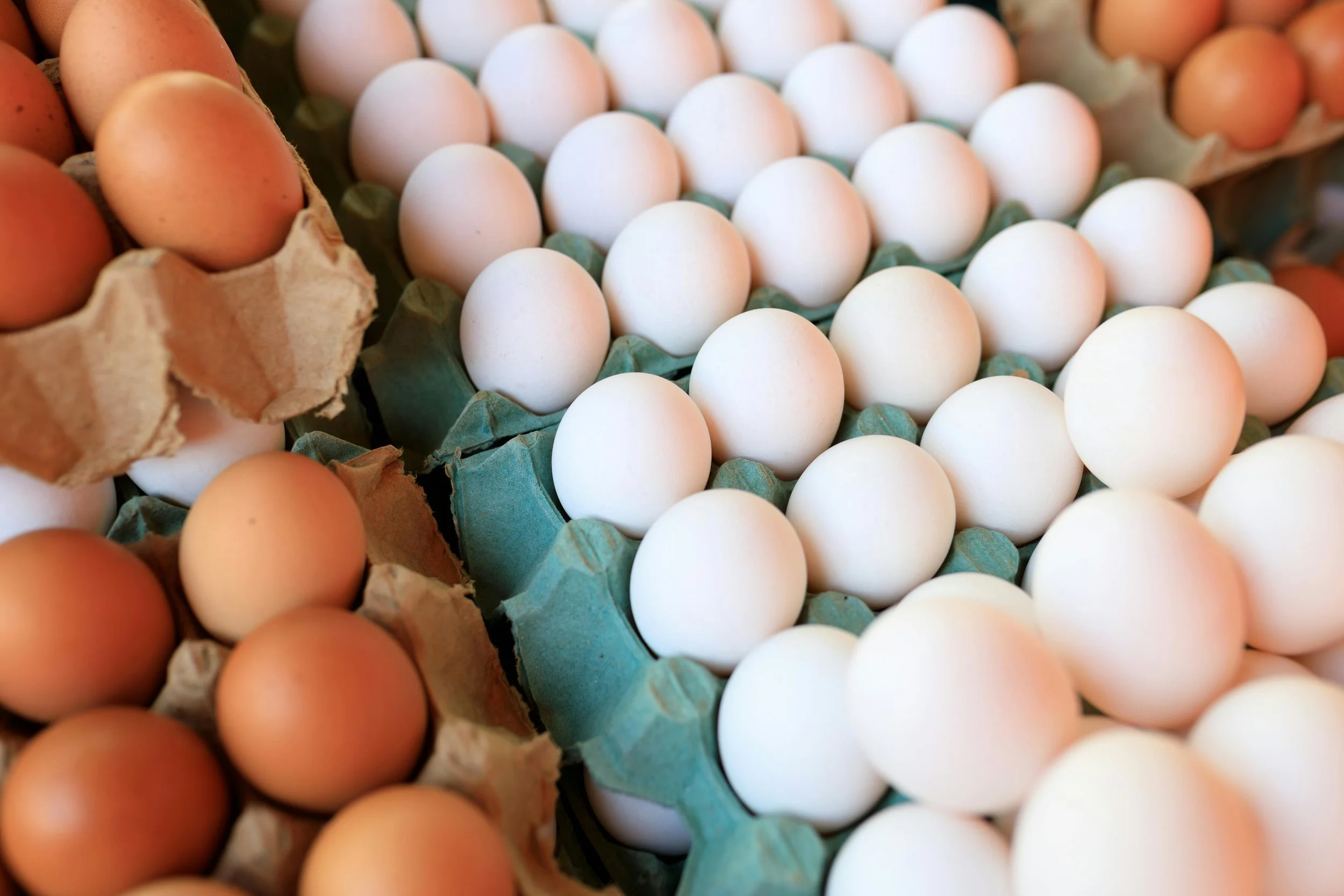
Today we turn our attention to one of the most versatile and nutritionally powerful ingredients found in any kitchen.
The humble egg.
If potatoes were the backbone of the root cellar and flour was the engine of home baking, eggs were the multitool of the kitchen — capable of turning the simplest ingredients into nourishing meals.
For families navigating economic hardship, eggs were often the difference between a meal that merely filled the stomach and one that provided complete protein and lasting nourishment.
Eggs in Hard Times: A Brief Historical Frame
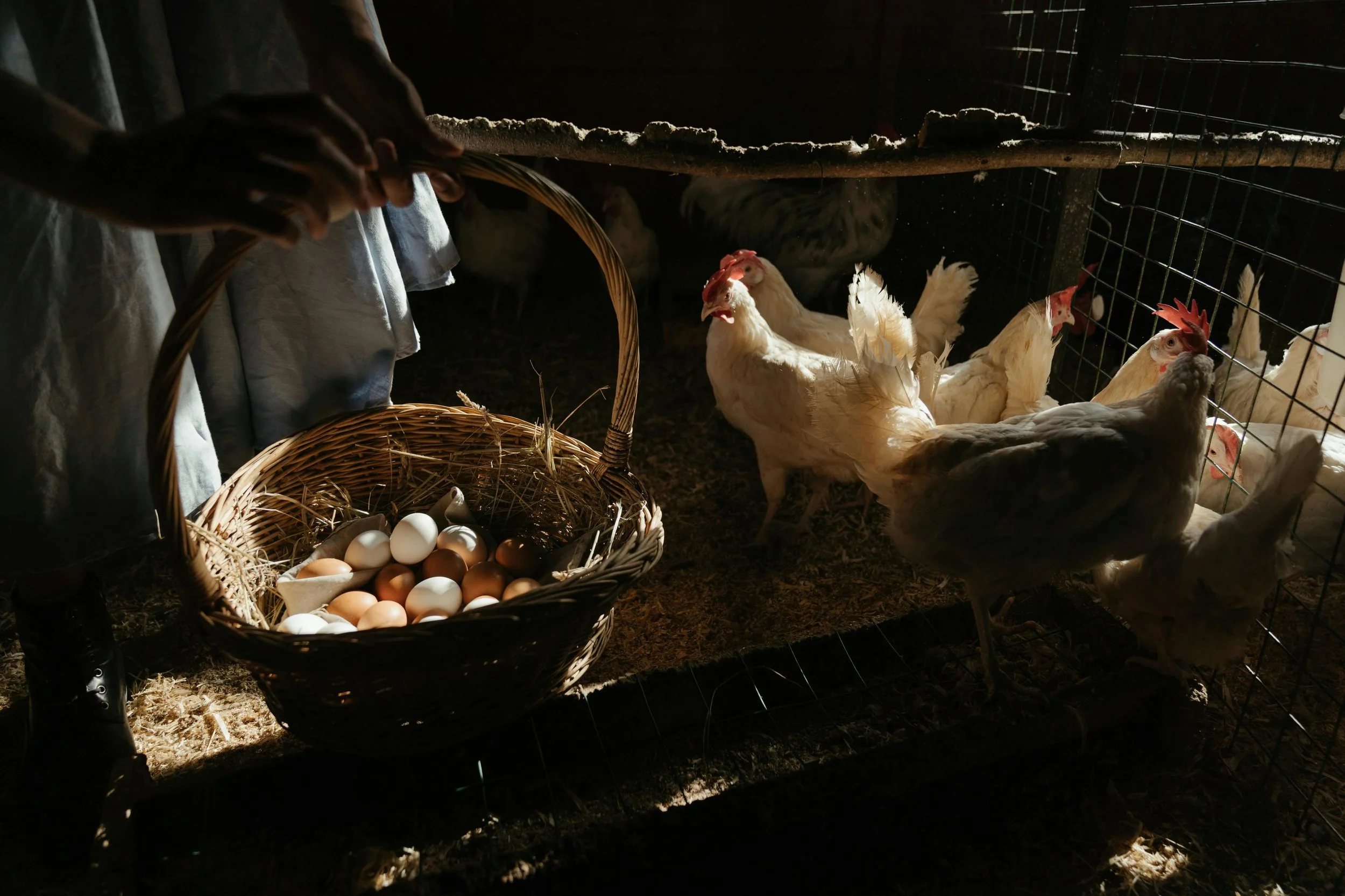
Throughout the 1930s and 1940s, eggs were a central component of home cooking in both rural and urban households. For families who kept backyard chickens, eggs were often the most reliable source of fresh protein available.
Chickens were relatively easy to maintain. They required modest space, could eat kitchen scraps and garden waste, and produced eggs with remarkable consistency.
Even small flocks of five or six hens could provide dozens of eggs each week, making them a valuable asset to families trying to stretch their food budgets.
During World War II, meat, butter, sugar, and other foods were subject to rationing through the government-issued ration stamp system. While eggs were not always plentiful, they were often easier to obtain than rationed meat.
As a result, cooks learned to rely on eggs as a primary protein source in many meals.
Eggs also had an important advantage: they could be used in countless ways.
They could be:
• scrambled
• fried
• baked
• poached
• folded into casseroles
• used to thicken soups
• incorporated into breads and baked goods
In other words, eggs were not simply breakfast.
They were kitchen infrastructure.
The Nutritional Power of Eggs
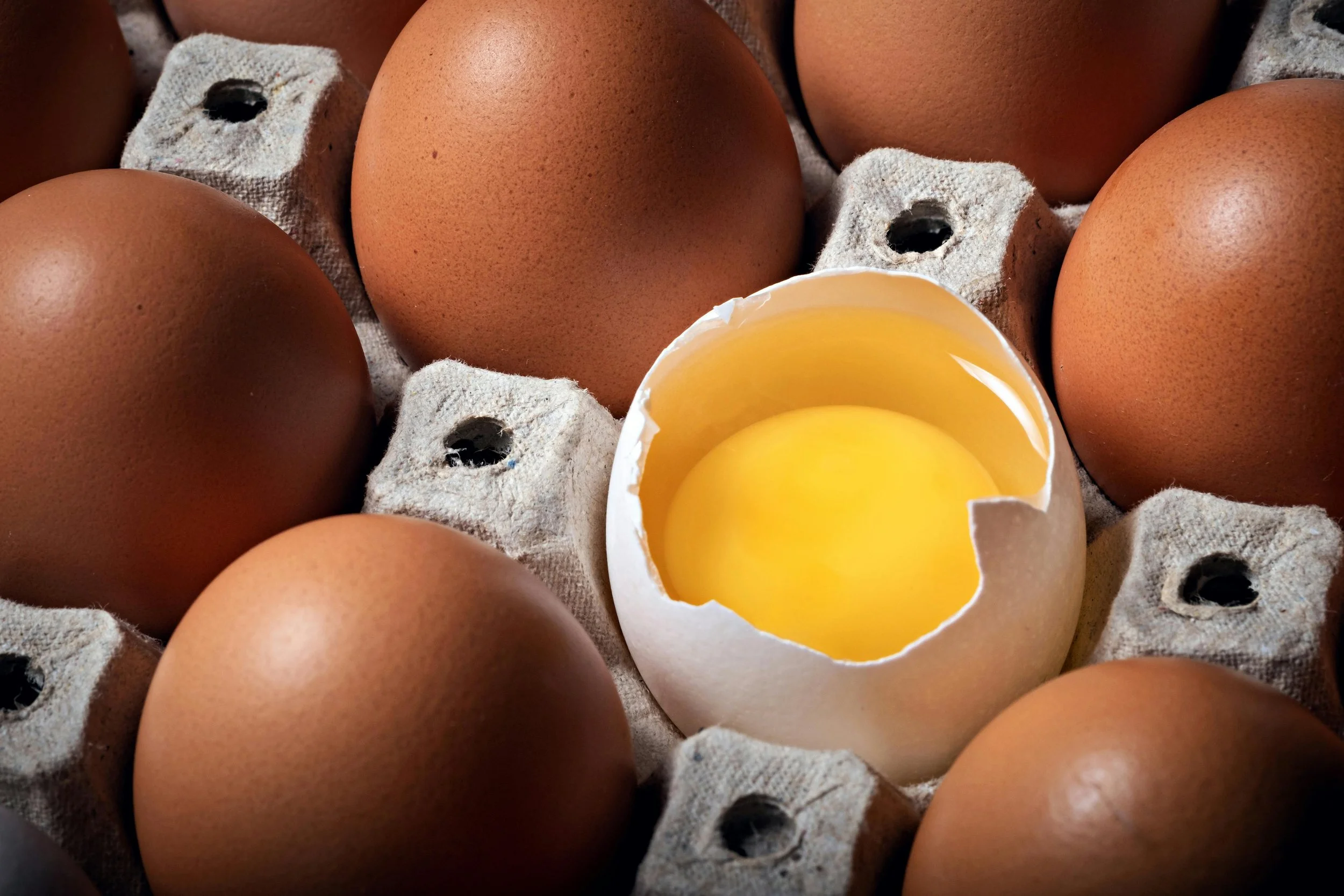
Long before modern nutrition science confirmed their benefits, home cooks understood that eggs were deeply nourishing.
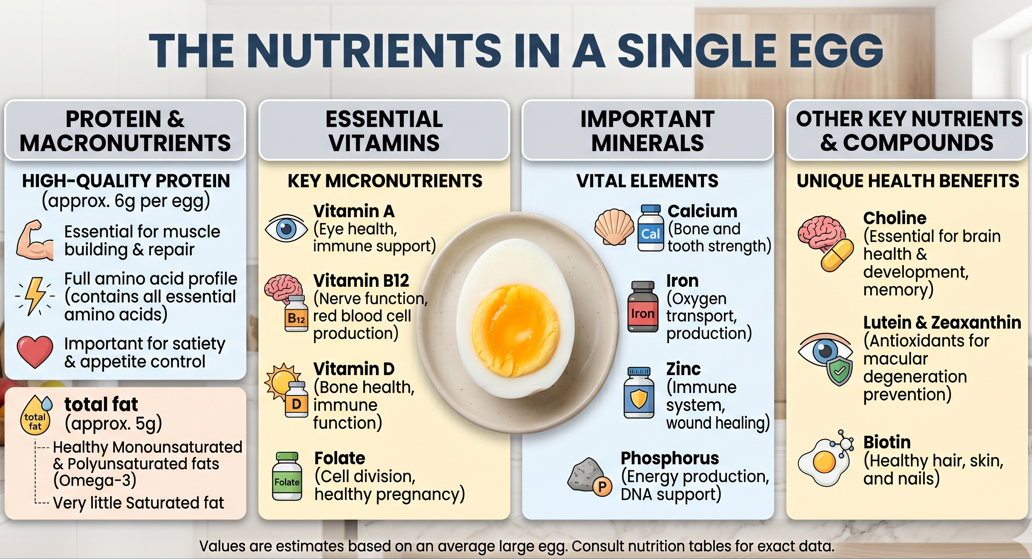
A single large egg contains approximately:
6–7 grams of complete protein
vitamin B12
vitamin D
vitamin A
choline for brain function
selenium and phosphorus
Eggs contain all nine essential amino acids, making them one of the most complete and bioavailable sources of protein available.
For families experiencing food insecurity or tight budgets, eggs provided an efficient way to maintain nutritional balance without purchasing expensive cuts of meat.
This is why eggs appear so frequently in historical recipes from the Great Depression.
They helped cooks stretch ingredients while maintaining nutritional value.
Eggs vs. Meat: A Practical Cost Comparison (2026 Pricing Approx.)
Average large eggs:
$3.00–$4.00 per dozen
≈ $0.25–$0.33 per egg
One egg provides about 6 grams of complete protein.
Ground beef (80/20):
≈ $4.50–$6.00 per pound
¼ pound (4 oz) serving of beef:
≈ $1.15–$1.50
Two eggs:
≈ $0.60
Protein comparison:
2 eggs ≈ 12g protein
4 oz beef ≈ 21–24g protein
While beef delivers more protein per serving, eggs provide roughly half the protein at less than half the cost — with significantly more versatility across meals.
For households managing tight budgets, eggs offered:
Lower upfront cost
Smaller portion flexibility
Cross-functional use (breakfast, baking, binding, sauce-making)
They were not direct meat replacements.
They were strategic protein alternatives.
And strategy has always mattered more than abundance.
Nutritional Snapshot
Eggs provide:
Complete protein (all essential amino acids)
Choline (critical for brain health)
Vitamin B12
Fat-soluble vitamins (A, D, E)
High satiety per serving
Per egg cost (average 2026 pricing): ~$0.25–$0.35
Few proteins compete at that level of density and affordability.
The Economics of Eggs vs. Meat
Historically — and even today — eggs remain one of the most affordable sources of high-quality protein.
To illustrate this, consider the approximate cost comparison in many grocery markets today:
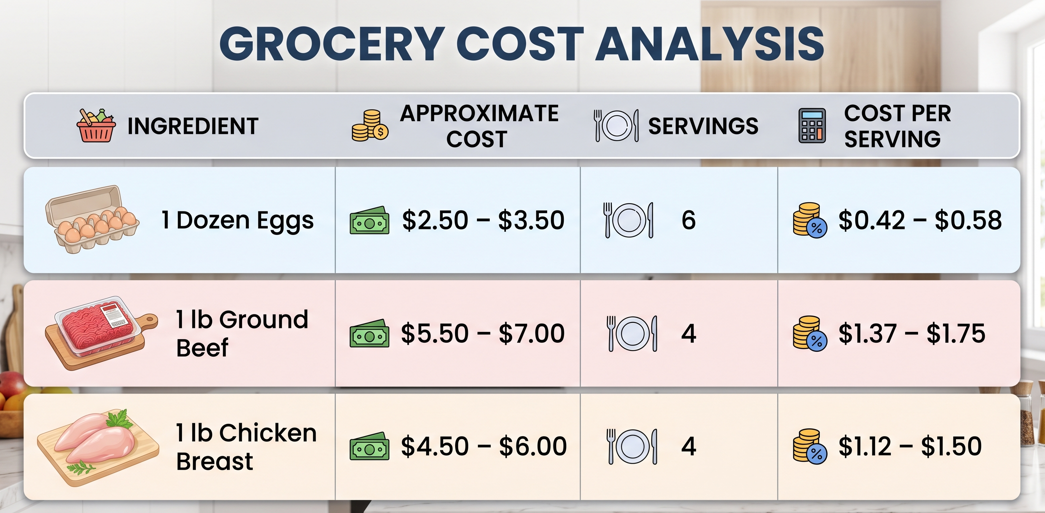
While prices fluctuate, eggs consistently remain one of the most economical protein choices available.
This economic reality explains why egg-based meals appear repeatedly in Depression-era cookbooks and household recipe collections.
Five Historical Egg Dishes Worth Rediscovering
Below are several simple egg-based dishes that appeared frequently in kitchens during the Great Depression and wartime rationing.
These recipes highlight the creative ways cooks used eggs to build satisfying meals from modest ingredients.
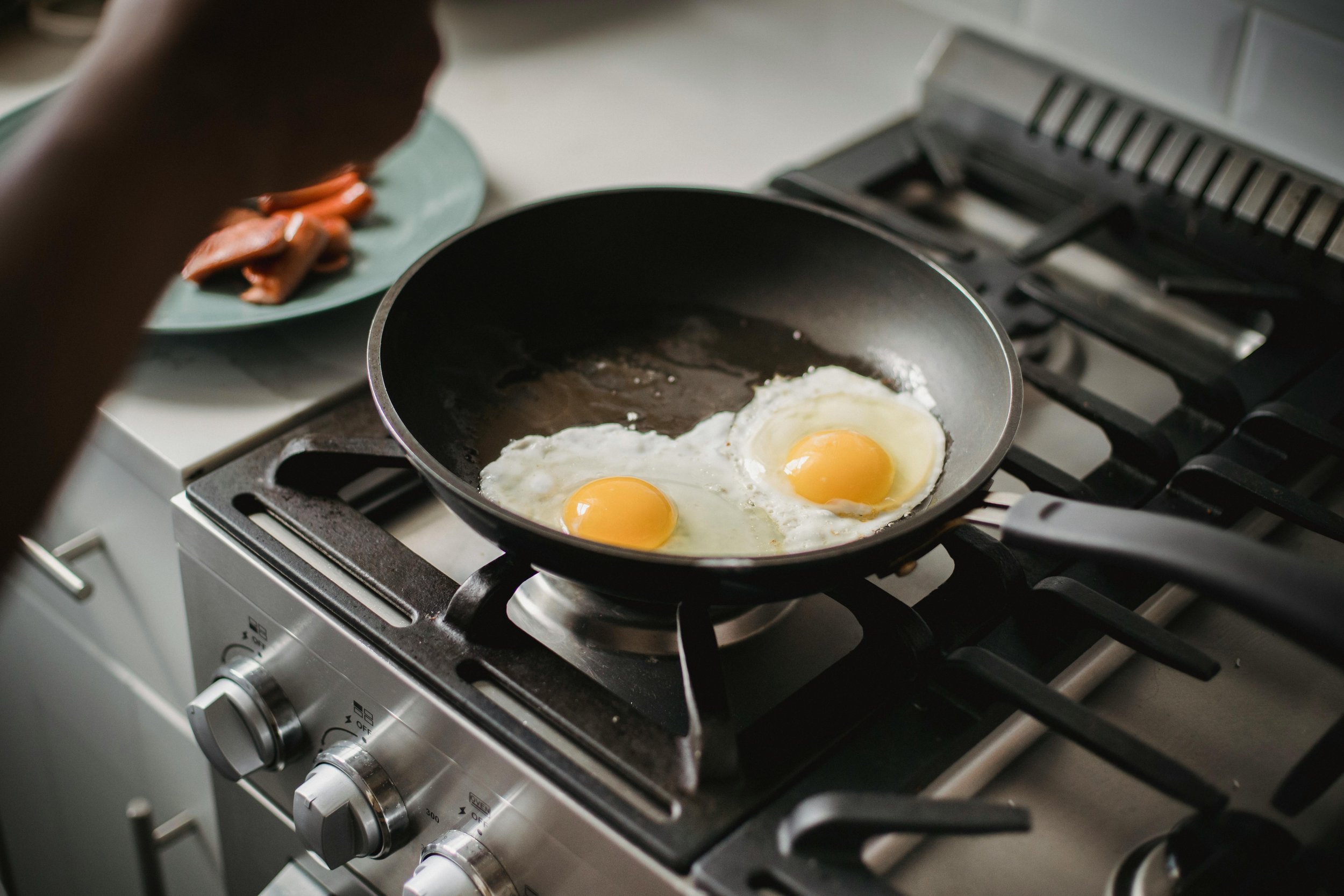
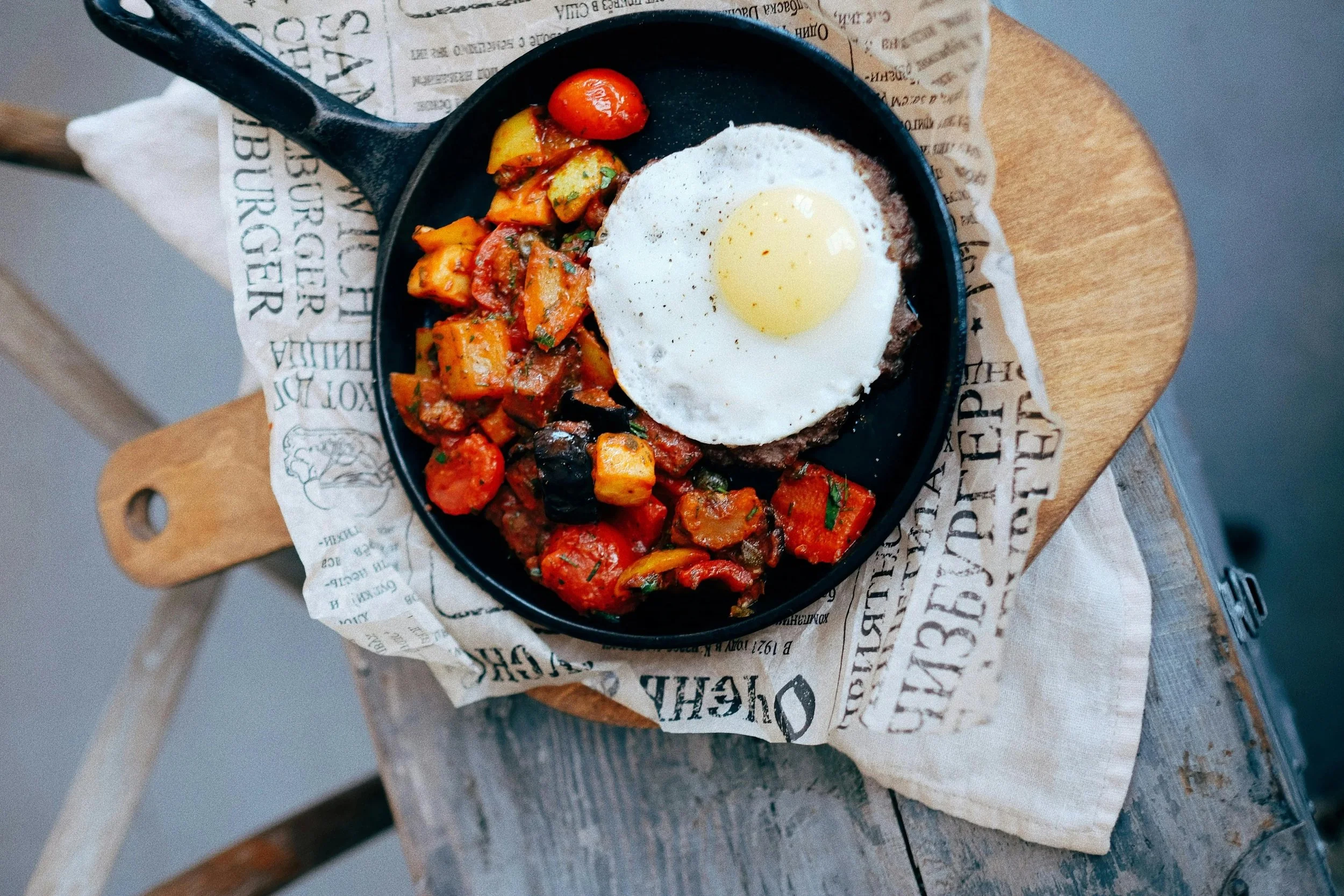
1. Fried Eggs Over Leftovers
Leftover potatoes, cabbage, rice, or beans topped with a fried egg.
Why it works:
The yolk becomes sauce.
The protein increases satiety.
The meal feels intentional, not reheated.
Cost Breakdown
2 eggs: ~$0.60
Leftovers: already accounted
Total added cost: ~$0.60
Feeds 2 generously.
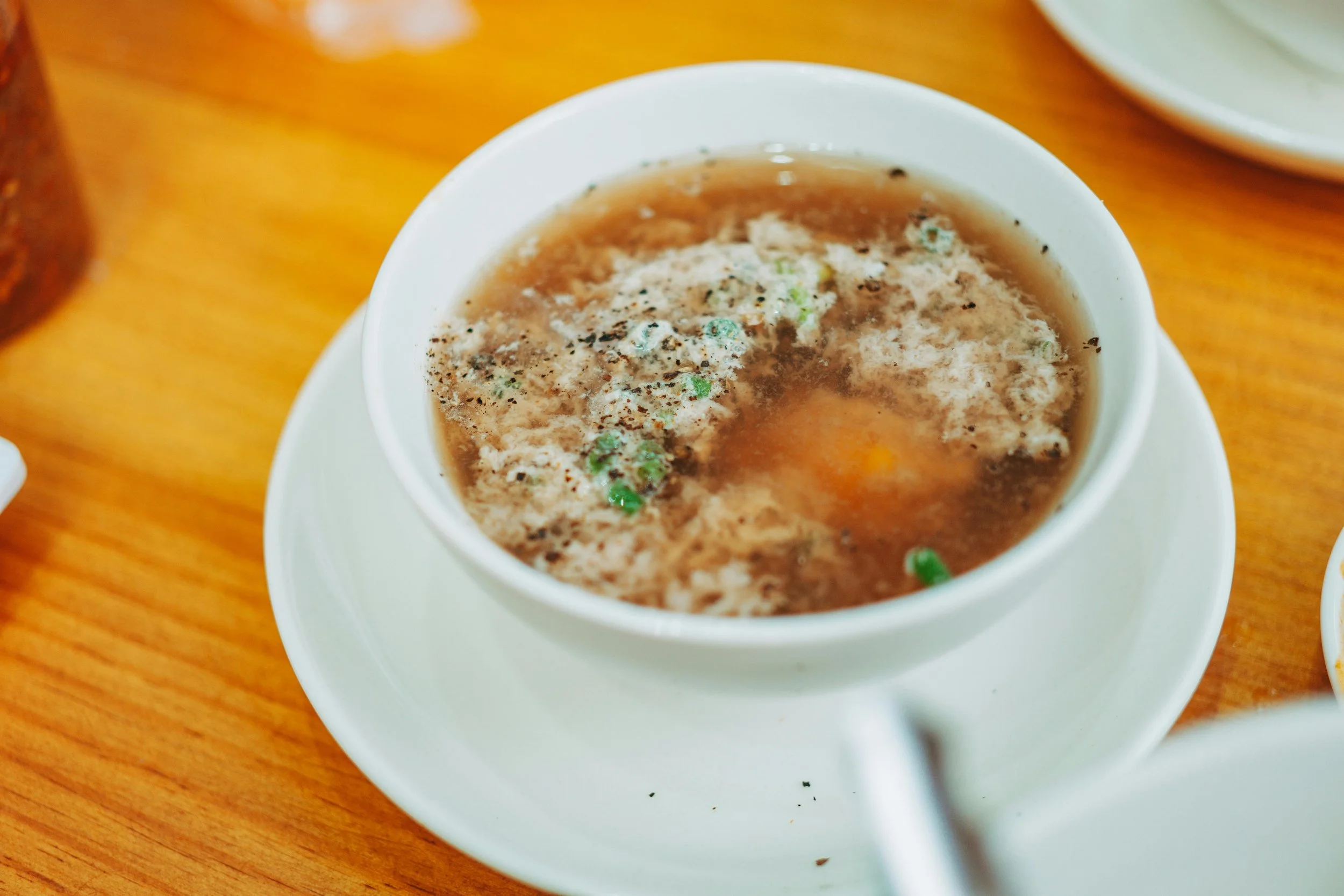
2. Egg Drop Soup (Broth Stretch)
4 cups broth
2 eggs
Salt, pepper
Whisk eggs into simmering broth.
Protein without heaviness.
Cost control without loss of warmth.
Cost Breakdown
Eggs: $0.60
Broth: $0.75
Total: ~$1.35
Serves 4
Cost per serving: ~$0.34
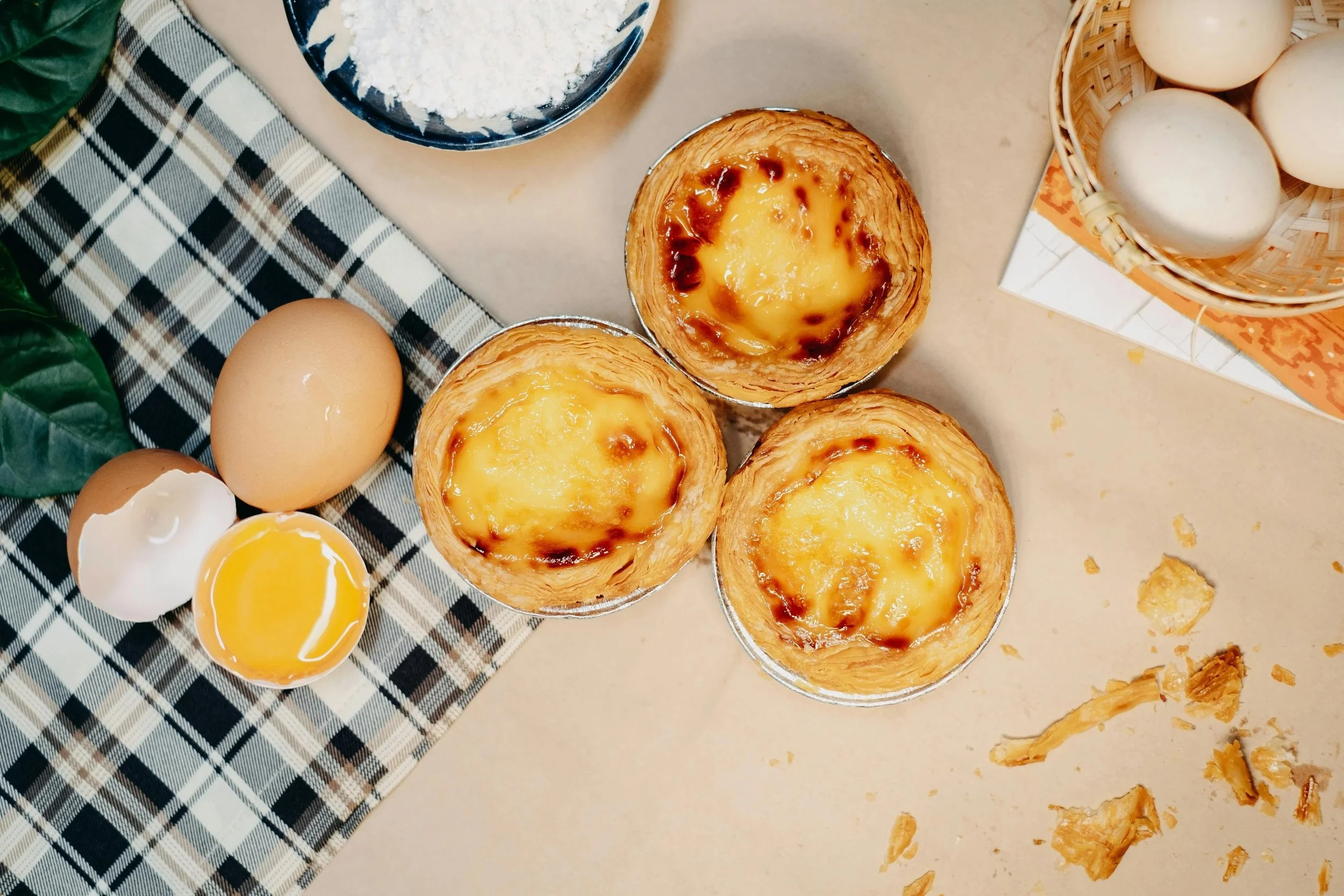
3. Depression-Era Custard
2 eggs
2 cups milk
¼ cup sugar
Pinch salt
Nutmeg
Whisk. Bake in a water bath.
Eggs + milk create structure.
Minimal sugar required.
Cost Breakdown
Eggs: $0.60
Milk: $1.00
Sugar: $0.20
Total: ~$1.80
Serves 4
Cost per serving: ~$0.45
Dessert without excess.
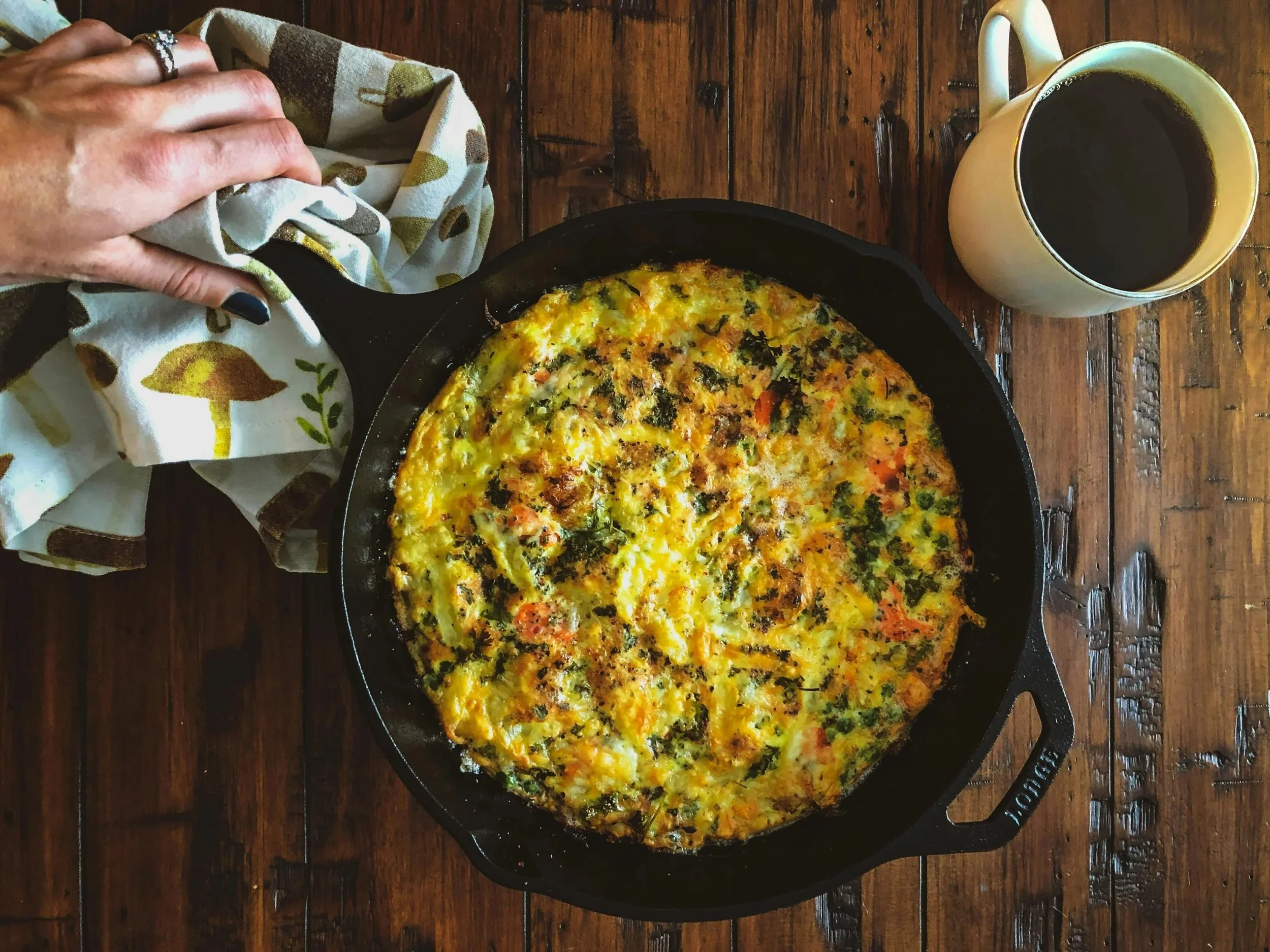
4. Vegetable Frittata
6 eggs
2 cups vegetables
2 Tbsp milk
Salt, pepper
Bake until set.
Feeds 4–6.
Cost Breakdown
Eggs: $1.80
Vegetables: $1.50
Milk/spices: $0.40
Total: ~$3.70
Serves 5
Cost per serving: ~$0.74
Cheaper than most meat-based meals.
5. Egg and Potato Skillet
2 cups diced cooked potatoes
1 small onion
4 eggs
1 Tbsp butter
Salt and pepper
Cost Breakdown
Potatoes: $0.60
Onion: $0.30
Eggs: $1.20
Butter/Spices: $0.30
Total: ~$2.40
Serves 4
Cost per serving: ~$0.60
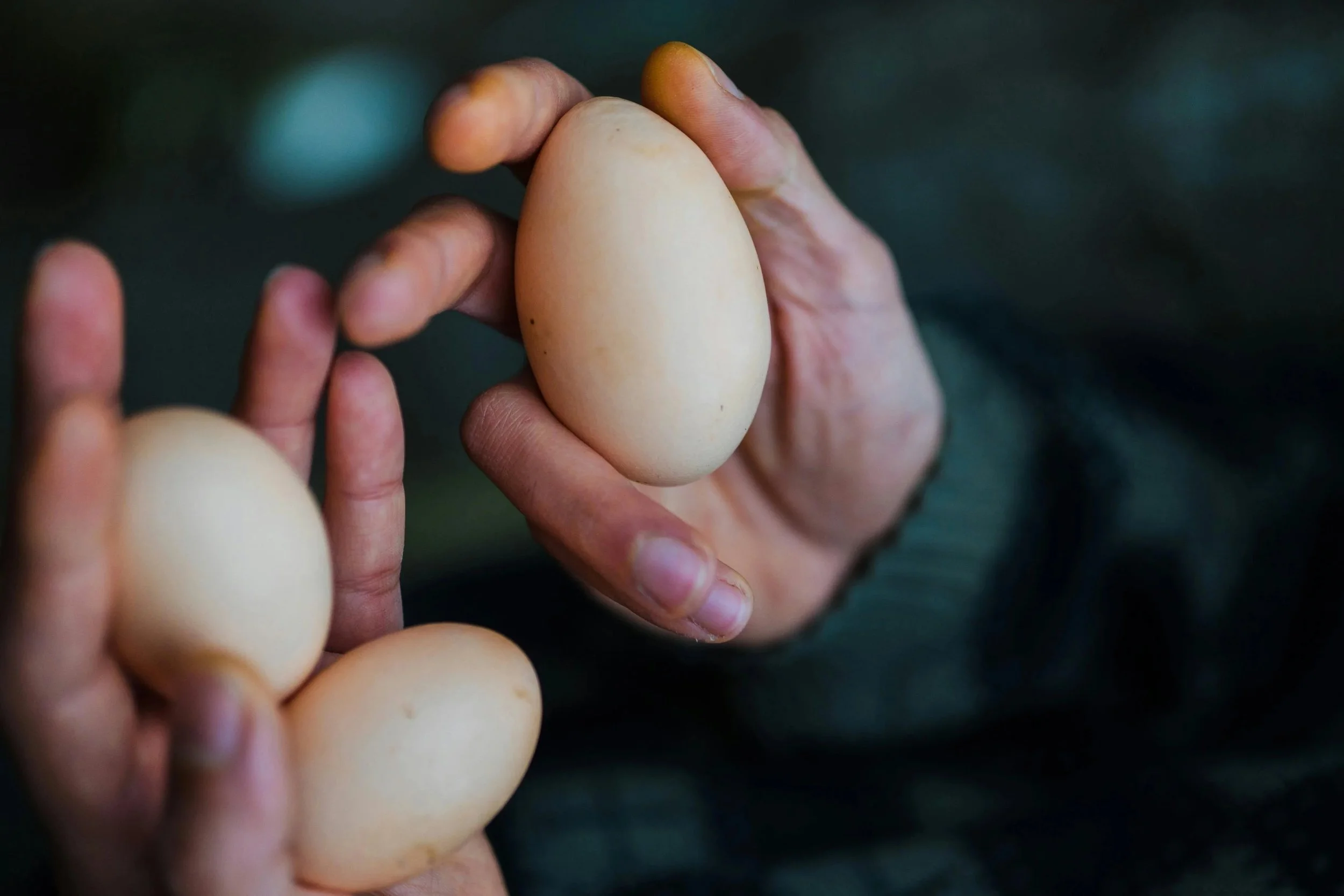
Why Eggs Endure
Eggs:
Cook quickly.
Require no thawing.
Store reasonably well refrigerated.
Transition from breakfast to dinner seamlessly.
Bind flour.
Enrich pasta.
Thicken sauce.
Lift cake.
They are culinary hinge points.
And in a resilient kitchen, hinge points matter.

The Organized Pantry Connection
Egg strategy depends on:
Knowing your usage rate.
Rotating cartons.
Planning recipes that use excess.
Keeping flour, milk, and vegetables stocked for cross-functionality.
Eggs are rarely standalone in a pantry system.
They amplify what is already there.
And amplification is the heart of frugal cooking.
Reflection
For many of us, eggs were scrambled quickly before school or hard-boiled for lunches.
But historically, they were insurance.
They were barter.
They were protein without slaughter.
They were structure in custards and lift in cakes.
They were meatless meals that did not feel lacking.
Across every economic cycle, eggs have quietly held their place.
They do not trend.
They do not require explanation.
They simply work.
And in a kitchen shaped by intention, that is enough.
Next week in Episode #18, we will explore one of the most fascinating food preservation techniques used by farm families for generations:
water-glassing eggs.
This method allowed households to preserve fresh eggs for months without refrigeration — an extraordinary example of practical kitchen ingenuity.
Stay hungry, my friends.
And remember:
The most powerful kitchens are not built on extravagance.
They are built on resourcefulness.
✌️💜🍫
Kimberly
PS: We always love seeing what you have tried and are experimenting with. Please take pictures, post them to your socials, and tag us!
#MealScript #TheIncredibleEgg #KitchenLeverage #ProteinStrategy #BudgetGourmet #PantryInsurance #FrugalWellness #GreatDepressionCooking #KitchenResilience #KimberlyFehler
