

The Comfort You Require: A Survivor's Guide to Zero-Power Culinary Sovereignty
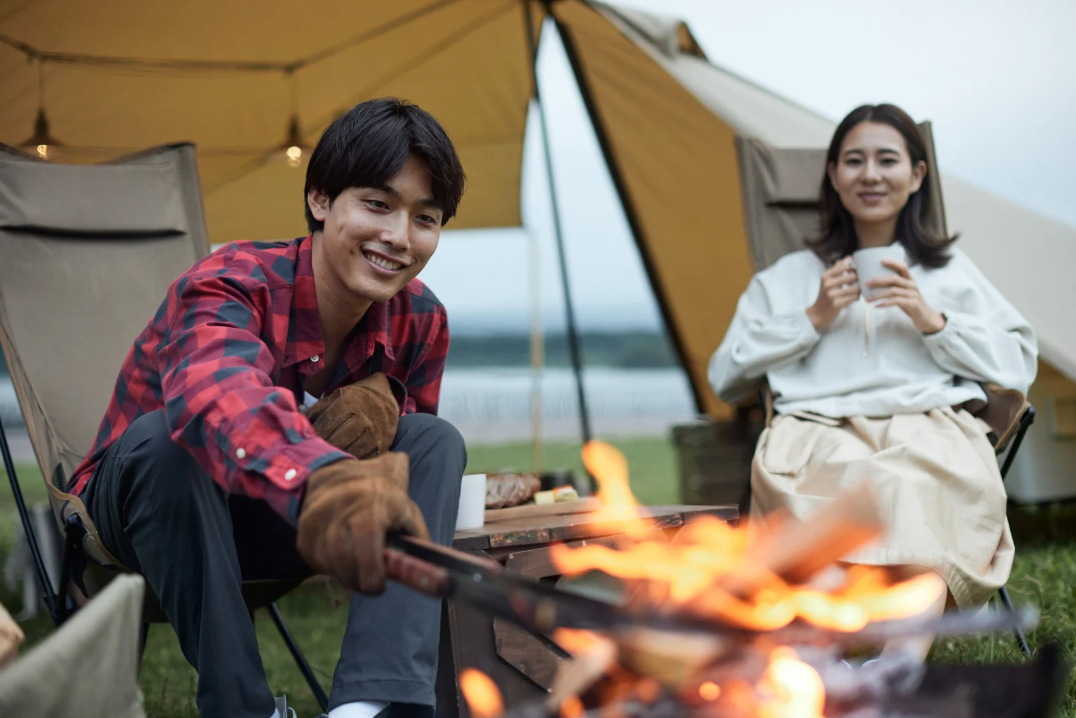
In the sudden, unsettling quiet of a crisis—a power outage, a storm, a world momentarily paused—you will not be caught scavenging. Your pantry is not a pile of bland rations; it is a meticulously crafted vault of nourishment and pleasure. This is not about 'just surviving,' but about commanding your comfort and power through any disruption. A true emergency stockpile is a silent, unshakeable promise: I am prepared, and I will eat well. Let's transform that shelf of supplies into a sophisticated, zero-power culinary toolkit for the unexpected.
Unveiling Your Power: Safe Heat for a Sovereign Kitchen
When the grid fails, your traditional kitchen tools are nullified. Your safety—and the safety of those under your care—is paramount. There is power in knowing your limits and respecting the darkness. Never, under any circumstance, use internal combustion sources (charcoal grills, camping stoves, or generators) inside your home or garage. Carbon monoxide is the silent assassin. Further, dismiss the idea of using delicate chafing dish fuels (like Sterno); they pose a severe, immediate burn risk.
Your Safe & Potent Heat Sources:
The Outdoor Hearth (Grill): Your most robust tool. Utilize your charcoal or propane barbeque grill for heating canned goods, slow-cooking grains, or preparing proteins.
The Command: Place the grill at least 10 feet from your home, roofs, or any flammable structures. A fire extinguisher is non-negotiable—it is your guard.
The Portable Flame (Camping Stove): Excellent for rapidly boiling water and small-batch heating. These use compact, self-contained fuel canisters, offering efficiency in a small package.
The Command: Always use these outdoors or within a well-ventilated, covered sanctuary (an open porch is ideal). Fuel must be stored separately, away from heat and the stove itself.
The Inner Sanctuary (Fireplace): If your home features a strong masonry fireplace and a sturdy grate, you can safely boil water or heat food in thick, stable pots.
The Command: Verify the flue is open and functioning. Use only natural, properly dried wood. Chemical fire starters or lighter fluid are crude and unnecessary.
The Cookware of Resilience: Your regular aluminum, ceramic, or stainless steel pots and pans will suffice, though plastic hanbvldles demand caution. But if you possess cast iron cookware, pull it out now. It retains heat with the steadiness of ancient stone, ensuring even cooking over unpredictable heat. This is the time to trust its heavy, dark grace.
Additional Safeguards: You are the architect of your safety. Ensure you have unexpired fire extinguishers, fire blankets, and compact spray extinguishers on hand. Do not rely on hope—rely on certainty. Secure a pair (or two) of true heat-safe grilling gloves to handle hot pans. Dismiss any notion of using thin, heat-resistant gloves made for hair styling; the heat you face is elemental, and your protection must be absolute.
The Sovereign Pantry: Essentials for Disruption
An emergency pantry is a reflection of self-discipline: calorie-dense, shelf-stable, and items that bring genuine comfort. Prioritize foods with proven longevity and, critically, foods you and your family genuinely desire.
The Foundation: Sustenance & Deep Reserve
Water: The Essence. Store a minimum of one gallon per person, per day, for drinking and sanitation. Canned soups and broths offer a powerful supplement. Do not neglect your dependents: add an extra half to a full gallon of water per day for your pets.
Calorie Density: Fueling the Mind. Peanut butter, alternative seed butters, nuts, concentrated protein and granola bars, and dried fruit.
Ready-to-Eat Proteins (The Instant Feast)
Canned Tuna, Salmon, or Chicken (prefer pop-top lids for speed)
Canned or Dried Beans (Black, Kidney, Chickpeas)
Dried Lentils (requires an outdoor heat source)
Nuts and Seeds (almonds, walnuts, sunflower seeds)
Shelf-Stable Starches and Grains
Crackers (whole-grain for enduring energy)
Rice (White and Instant—requires heat)
Pasta (requires heat)
Dried Tortillas or Pita Bread
Oats (Instant/Rolled—can be eaten cold with water or milk alternative)
Fruits and Vegetables (Your Vital Color)
Canned Vegetables (Green beans, corn, peas—serve chilled or heated)
Canned Fruit (Peaches, pears, applesauce—a necessary source of sugar and comfort)
Dried Fruit (Raisins, apricots, cranberries)
Long-Life Produce (Potatoes, onions, apples, and citrus fruits like oranges can last for weeks without refrigeration)
Flavor and Comfort (The Morale Boosters)
Salt, Pepper, and essential Spice Mixes
Hard Cheeses (like Parmesan or Cheddar, if stored correctly)
Shelf-Stable Milk Alternatives (Powdered milk, almond, or soy milk in cartons)
Broth or Bone Broth
Honey or Syrup
Coffee (Instant or grounds for brewing on a grill/stove), Tea Bags, Hot Chocolate Mix
Comfort Treats: Dark chocolate bars, hard candy, chewing gum.
Recipes of Resilience (No-Heat and Outdoor Fire)
These six recipes are simple, efficient, and demand minimal cleanup, utilizing only the provisions and safe heat sources you've mastered.
1. No-Heat: “Hiker’s Lunch” Protein Bowl
A fast, high-protein meal that requires only a can opener and a fork.
Ingredients:
1 (15-ounce) can chickpeas, rinsed and drained (use water for rinsing)
1 (5-ounce) pouch of canned tuna or chicken, drained
1/4 cup olive oil (if available, for flavor and calories)
1/4 cup chopped shelf-stable bell pepper (or canned diced tomatoes, drained)
Salt, pepper, and a pinch of dried herb blend (like Italian seasoning)
Instructions:
In a bowl, combine the drained chickpeas and tuna/chicken.
Stir in the olive oil and chopped vegetables.
Season generously with salt, pepper, and herbs.
Serve immediately with crackers or dried tortillas.
2. No-Heat: Overnight Oats (Cold)
A comforting, energy-filled breakfast that requires no heat and uses shelf-stable milk.
Ingredients:
1/2 cup rolled oats
1 cup shelf-stable milk (carton or reconstituted powdered milk)
2 tablespoons peanut butter
1 tablespoon honey or maple syrup
1/4 cup dried fruit (raisins, cranberries)
Instructions:
Combine the oats and milk in a jar or container. Shake to combine.
Add the peanut butter, honey, and dried fruit. Stir well until the peanut butter is mostly dissolved.
Let sit at room temperature for at least 30 minutes, or overnight if cool enough, to soften the oats. This is best done in a cooler or wrapped in a blanket to maintain a steady temperature.
Eat cold directly from the jar.
3. Hummus and Veggie Wraps
Hopefully, there are some fresh veggies left in your refrigerator that need using.
Ingredients:
1 (15-ounce) can garbanzo beans
Flour tortillas
¼ cup olive oil
2 tsp lemon juice (if available)
¼ tsp garlic powder
Salt & Pepper to taste
Fresh Vegetables (if available)
Canned or jarred roasted red peppers or artichokes
Instructions:
Drain and rinse the garbanzo beans, reserving about ⅓ cup of the bean juice
Mash the garbanzo beans with a fork, adding the juice, olive oil, lemon juice, and seasonings to make a hummus. It may not be as smooth as using a food processor, but it should be no less delicious.
Prepare available vegetables
Spread hummus on the tortilla, top with veggies, then wrap.
Hummus can also be eaten with tortilla chips, crackers, or fresh vegetables that are on hand.
4. Outdoor Heat: Simple Grilled Quesadillas
A simple, satisfying hot meal using the outdoor grill or fireplace.
Ingredients:
Dried tortillas (flour or corn)
1 (15-ounce) can black beans, drained and mashed with a fork
Shelf-stable, hard cheese (shredded or sliced)
Canned mild green chiles (drained)
Instructions (Using a Grill or Fireplace):
Thoroughly mash the black beans and season with salt and pepper.
Spread a thin layer of mashed black beans on one half of a tortilla.
Sprinkle with cheese and a few green chiles. Fold the tortilla in half.
Lightly grease the cooking surface of your grill grate or a large metal pan.
Cook over medium heat (coals, not flames) for 2-3 minutes per side, or until the tortilla is lightly browned and the cheese is melted.
5. Outdoor Heat: Camp Stove One-Pot Rice
A hearty, easily digestible meal that requires a stable heat source like a camping stove or grill.
Ingredients:
1 tablespoon cooking oil (vegetable or olive)
1 cup white rice
2 cups canned chicken or vegetable broth (or water)
1 (5-ounce) can of shredded chicken, drained
1 (15-ounce) can of mixed vegetables (e.g., peas and carrots), drained
Salt and pepper to taste
Instructions (Using a Camping Stove):
Heat the oil in a medium, heavy-bottomed pot over the stove outdoors.
Add the rice and stir for one minute until lightly toasted.
Carefully pour in the broth (or water). Bring to a rolling boil.
Reduce the heat to the lowest possible setting, cover tightly, and simmer for 15-20 minutes until the liquid is absorbed. Do not lift the lid.
Once cooked, stir in the drained chicken and mixed vegetables. Place the lid back on and let stand for 5 minutes for the ingredients to heat through. Season and serve.
6. Outdoor Heat: Creamy Chicken and White Bean Soup
Ingredients:
3 cans Great Northern White Beans, do not drain
1 each (12 ounce) Canned Chicken, drained
1 each (10.5 ounce) Canned cream of chicken or cream of mushroom soup
8 ounces (1 cup) Salsa [heat level of your choice]
8 ounces (1 cup) Chicken broth or water
Instructions:
Dump all ingredients into a pot, allow to cook through until warm. There is no need to drain the beans. Additional spices such as cumin and cilantro may be added for additional flavor.
Best if allowed to simmer at least one hour.
Top with grated cheese of your choice.
Modification: If you aren’t feeling like Mexican/Southwestern cuisine, substitute the salsa for a can of diced tomatoes with Italian herbs. Adjust the seasoning further with fresh garlic or garlic powder and Italian herbs. Drop in a Parmesan cheese rind if you happen to have one in the fridge.
The Final Seal: On Commanding Your Sovereignty in Crisis
The Arsenal of Care (First Aid):
Maintaining order in a crisis begins with preparing for the utterly human: the accident, the wound, the unforeseen event. It is insufficient to have a scattering of pain relievers, stray bandages, and antiseptic cream hidden across the house. In an emergency, where time collapses into a single, sharp moment, this fragmented approach is a liability.
A comprehensive, dedicated First Aid Kit for both yourself and your companions (pets included) may seem like an initial investment, but in the heat of a true emergency, its value is priceless. This is especially true when you hold your ground far from city lights. You must be your own immediate recourse.
Demand more of your kit: Consider the deliberate addition of specialized burn kits, essential blood clotting powders, and activated charcoal—items that move beyond the basic and speak to a deeper, more robust preparedness.
The Escape Cipher (Emergency Supply Pack)
This pack is your customized anchor, a concentrated expression of your household's unique needs. Claim an old backpack and fill it with intention:
The Physical Command: Age-appropriate over-the-counter pain relievers, antacids, and stomach comfort aids. A basic antihistamine and decongestant. Most crucially, at least three days' worth of all prescription medications (kept in their original bottles for complete information). Do not forget your pet’s necessary medications.
The Communication Line: A fully-charged power bank to sustain your cell phones, along with all necessary charging cables. Include at least one reliable flashlight and a fresh set of batteries, plus a simple Am/Fm radio. Consider the profound efficiency of an all-in-one solar and/or hand-crank unit that integrates the power bank, radio (including NOAA weather), and multiple lights. These tools allow you to remain informed and connected when the world goes silent.
The Companion’s Peace: Backup leashes for your pets. A full, unopened bottle of water for every human and animal. Animals are often the first to sense and react to disruption; a full, sealed bag of their favorite treats is a potent tool for distraction and calm.
The Personal Reserve: Do not neglect your own solace. Pack your favorite chocolate, along with comfort snacks for those under your care. These small indulgences are a vital morale boost—a reminder of comfort in the face of the stark.
Once assembled, this pack must be placed in a central, accessible location. It must be within immediate reach the moment the first shadow of necessity falls. Do not search for it; merely reach out and claim your prepared future.
To one and all– Have a warm, safe weekend ahead.
✌🏻💜🍫
Kimberly
#MealScript #CulinarySovereignty #EmergencyPreparedness #ZeroPowerCooking #PantryStaples #SurvivalSkills #CastIronCooking #OffGridLiving #MealPlanning #Resilience
