

Episode #5 – Winter Squash: The Cellar Sweetness That Carried a Nation
Welcome back to the pantry!
In this ongoing series, I am discussing how to build a pantry that will feed a family on a tight budget. I have heard your posts and discussions on Facebook and Instagram and felt the myriad emotions conveyed. Yes, we’re going through it, but with a little knowledge and ingenuity, you can control your budget and maintain the power to make sound decisions.
This week, we will look at Winter Squash and where they fit in “The Organized Cook’s Pantry.”
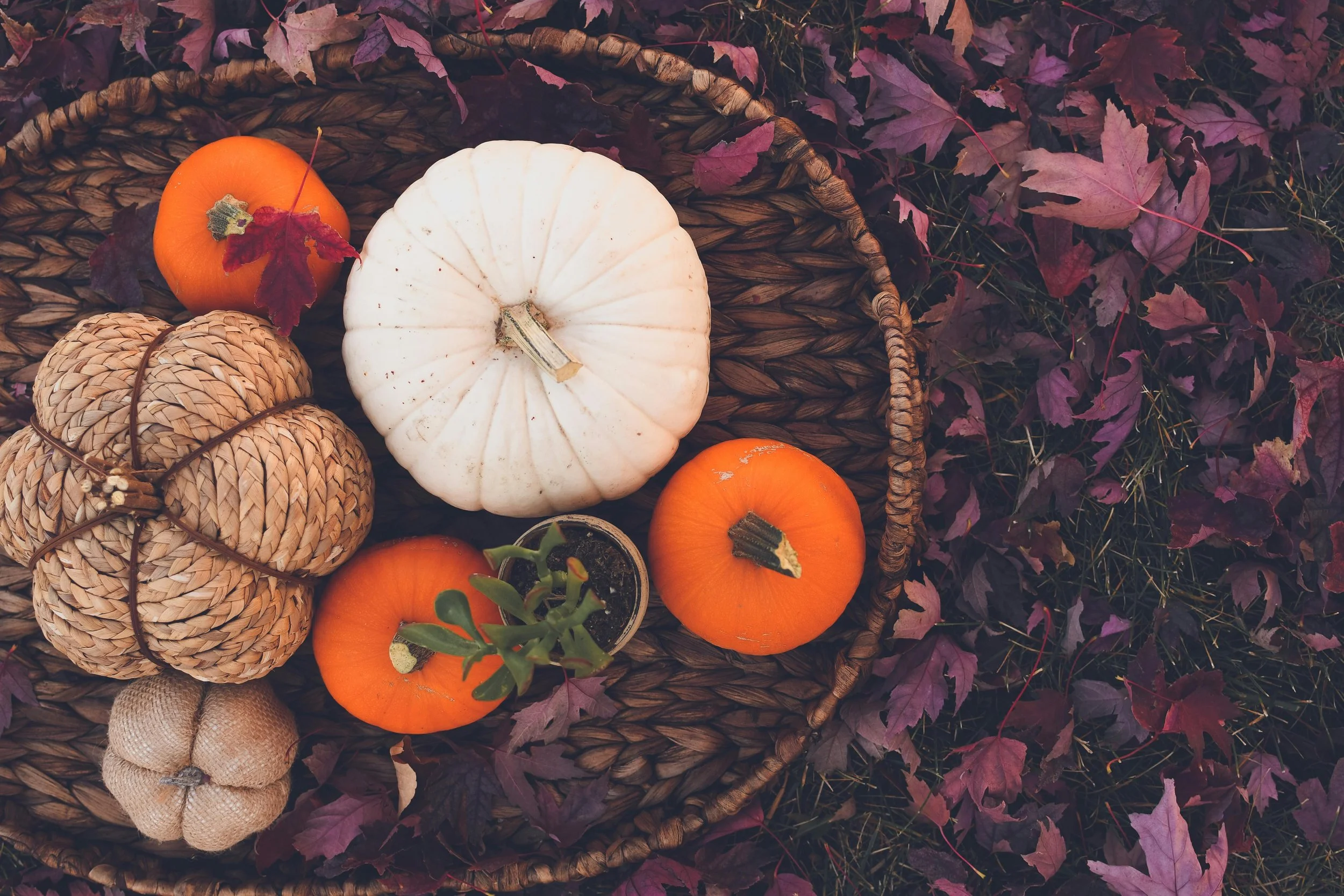
If root vegetables ruled the cellar floor, winter squash lined the shelves above them — durable, long-keeping, and quietly nutrient-dense. Properly cured, wide varieties lasted well into late winter — sometimes longer than potatoes. During the Great Depression and World War II rationing, winter squash varieties such as butternut, acorn, Hubbard, and spaghetti squash were not decorative fall ornaments.
They were food security.
Before refrigeration was common, squash stored for months in cool, dry conditions. No canning required. No electricity needed.
That alone made them powerful.
But what made them essential?
A Down-and-Dirty Primer on Winter Squash
Winter squash (including butternut, acorn, Hubbard, kabocha, and spaghetti squash) are mature gourds harvested in late summer and fall and cured for storage. Unlike summer squash, their thick rinds protect nutrient-rich flesh for months.
Historically:
Indigenous communities across North America cultivated squash as part of the “Three Sisters” (corn, beans, squash).
During the Depression, rural families relied heavily on what could be grown, cured, and stored without cost.
Wartime rationing further elevated the value of squash because sugar, butter, and meat were limited. American home gardens and Victory Gardens contained lots of squash. The seeds were affordable, the plants were hardy, and the crop yield was generous. Squash provided natural sweetness and substance when sugar rationing limited what could be found on grocery store shelves.
Now let’s talk nutrition — because these cooks weren’t thinking in vitamin charts, but their bodies benefited nonetheless.
Nutritional Snapshot: Why Squash Mattered
Winter squash offered:
Beta carotene (Vitamin A precursor) – critical for immune health and vision
Vitamin C – supporting immune function
Potassium – regulating blood pressure
Fiber – improving satiety and digestion
Complex carbohydrates – slow-burning energy
Natural sugars – reducing need for rationed sweeteners
Compared to refined white flour or sugar (both rationed during WWII), squash provided both calories and micronutrients. The consuming public may not have been as aware of nutritional food values as we are today, but their bodies knew what they needed to survive, and instinct kicked in.
Spaghetti squash, though less sweet, delivered fiber and hydration.
Butternut squash provided dense beta carotene.
Acorn squash offered balanced carbohydrates and potassium.
Hubbard squash stored exceptionally well.
And every variety could be roasted, boiled, mashed, or baked with very little added fat.
How They Prepared It During Hard Times
No marshmallow topping.
No maple glaze.
No heavy cream.
Just practicality.
1. Roasted Halves with Salt
Squash halved.
Seeds removed (often saved and roasted).
Placed cut-side down in a hot oven.
Cooked until soft.
Seasoned with salt and perhaps a dab of saved fat.
Simple. Filling. Reliable.
Cost Breakdown:
1 medium acorn squash ($1.50–$2.00)
Serves 2–3
Cost per serving: $0.60–$0.85
*Please note that all cost breakdowns are estimates based on average grocery prices in conservative numbers. Actual cost in your area of the country may vary.
2. Mashed Squash with Salt & Pepper
Boiled or roasted squash flesh mashed with:
Salt
Black pepper
A spoonful of saved bacon drippings or butter
Sometimes extended with mashed potatoes to stretch portions.
Cost Breakdown:
1 lb squash ($1.25)
1 lb potatoes ($0.99)
Total: ~$2.25
Serves 4
Cost per serving: ~$0.56
3. Squash & Onion Skillet
This is another iteration of the Potato Skillet dinner. Instead of the humble tuber, cubed squash is sautéed slowly with onions in bacon drippings or lard.
Cooked until caramelized.
Often served alongside beans or stretched into a one-pan supper with a small amount of meat.
Cost Breakdown:
1 lb squash ($1.25)
1 onion ($0.50)
Fat/spices (~$0.20)
Total: ~$1.95
Serves 3
Cost per serving: ~$0.65
4. Wartime Squash Casserole
Mashed squash mixed with:
Egg (if available)
Milk (often evaporated or powdered)
Salt and pepper
Baked until set.Eggs were rationed.
Milk was precious.
But squash bulked out the dish.
Today, my family still enjoys this dish, but we typically make it with yellow summer squash. It has a soufflé-like consistency and hits that American home-cooking sweet spot. However, acorn squash, pumpkin, butternut, and hubbard squash will work as well. Here’s the framework:
4 cups Roasted, mashed Pumpkin or Winter squash
1 rib Celery, small diced
½ each Medium onion, small diced
2 Tbsp Butter
3 each Large eggs
6 each Saltine crackers, crushed
4 oz V*****a cheese, grated
(I prefer a blend of Asiago and Gruyere for the heartier squashes if affordable)
1 cup Milk
To Taste Salt and pepper
Instructions:
Preheat the oven to 350 degrees Fahrenheit.
Butter a 9 x 13 oven-safe glass baking dish.
Dice celery and onion, then sweat them in a pan with 2 Tbsp butter over medium heat until soft.
While the celery and onion are cooking, wisk the eggs in a medium bowl then add the milk, crushed crackers, 1 tsp pink salt, and ½ tsp of pepper (white or black– cook’s choice). Stir to combine.
Grate the V******a Cheese on the large side of a box grater adding to the egg mixture.
Scoop the roasted squash flesh into the mixing bowl and add the aromatics.
Using a potato masher, blend everything till smooth. A hand-held mixer can also be used for this step.
Pour the mixture into the prepared baking dish and bake for 30 to 45 minutes till set and lightly browned.
Yellow Summer Squash Variation: Large dice 3 large yellow squash to make about 4 cups of raw squash. Place in a two-quart saucepan with the diced celery and onion. Cover the vegetables with cool water to about ½ inch over them. Add 1 tsp of kosher salt and bring to a boil. Reduce to a simmer and cook 15 to 20 minutes until the squash is tender. When done, drain in a colander set inside a larger bowl to reserve the cooking water to reuse as vegetable broth. When drained, add to the egg mixture and have the potato masher or hand mixer ready to start blending as soon as the hot squash meets the egg mixture. Continue on as described above. Works well with zucchini or a mixture of yellow and zucchini squash, too.
Cost Breakdown:
Ingredient Pricing Estimates
4 cups roasted mashed squash
≈ 2 lbs raw squash
Average cost: $1.50–$2.50 per squash
Estimated cost used: $2.00
1 rib celery
≈ $0.20
½ medium onion
≈ $0.35
2 Tbsp butter
≈ $0.25
3 large eggs
≈ $0.90 ($0.30 each average)
6 saltine crackers
≈ $0.15
4 oz V******a (from 16 oz block ≈ $5.50)
4 oz portion ≈ $1.38
1 cup milk
≈ $0.30
Salt & pepper
≈ $0.10
Cost Per Serving
As a Side Dish (6–8 servings)
6 servings → $0.94 per serving
8 servings → $0.70 per serving
As a Main Dish (4–6 servings)
4 servings → $1.41 per serving
6 servings → $0.94 per serving
That’s extremely efficient protein + vegetable density for under $1.50 per serving, even as a main.
Variation: 3 Large Yellow Squash or Zucchini
Average price per zucchini ≈ $0.75–$1.00 each
3 large ≈ $2.25–$3.00
Let’s use $2.50 average.
That’s about $0.50 more than winter squash.
New Total (Zucchini + Velveeta version)
Replace $2.00 squash with $2.50 zucchini
New total: ~$6.13
Per serving (side, 8 servings):
≈ $0.77
Per serving (main, 4 servings):
≈ $1.53
Upgrade Version: Asiago + Gruyère Blend
Assume:
Gruyère ≈ $12/lb
Asiago ≈ $10/lb
Blended average ≈ $11/lb
4 oz = ¼ lb
¼ lb at $11/lb = $2.75
New Total:
Original $5.63
Minus Velveeta $1.38
Plus Gruyère/Asiago $2.75
Updated Total: ~$7.00
Cost Per Serving (Artisan Cheese Version)
Side (6–8):
$1.16–$0.87
Main (4–6):
$1.75–$1.16
Still very reasonable — just no longer Depression-tier frugal.
Budget Strategy Insight
If keeping it historically aligned and budget-driven:
V******a version = best cost control
Zucchini = seasonal flexibility
Artisan cheese = “elevated but intentional splurge”
From a nutrition standpoint:
Winter squash version delivers significantly more beta carotene and vitamin A than zucchini.
Zucchini is lighter in carbs and calories, but also lighter in micronutrient density.
Bottom Line:
Regardless of how you position the ingredients for this recipe, you are still safely landing in the $1 to $1.25 per serving zone.
Reminder:
*Please note that all cost breakdowns are estimates based on average grocery prices in conservative numbers. Actual cost in your area of the country may vary.
Building a Working Pantry That Supports Budget-Friendly Cooking
If you are serious about affordable, healthy meal planning, winter squash is a masterclass in long-storage produce strategy. Learning how to cook winter squash on a budget teaches:
Seasonal buying
Shelf-stable meal planning
Cross-utilization of pantry staples
Efficient kitchen organization
These principles are foundational to my Amazon e-book, The Organized Cook’s Pantry: Strategies for Efficiency and Flavor. Inside, I walk you through how to organize a kitchen pantry so that Great Depression recipes, WWII rationing meals, and modern, budget-friendly whole-food recipes become simple to execute — not stressful.
Because budget cooking isn’t about restriction.
It’s about structure.
This week’s challenge:
Buy one squash you normally overlook. Prepare it with no more than four ingredients. Learn its baseline flavor before you dress it up. This knowledge will guide your decisions.
Because Thursday — we dress it up.
✌️💜🍫
— Kimberly Fehler
Owner & CEO, MealScript
Did you try this out? We would love to see pictures and descriptions. Post your experiments on your social media accounts and tag us.
